Punjab, widely known for its vast agricultural landscapes and limited forest cover, is emerging as an unexpected hotspot for wildlife crime. A recent study has revealed that illegal hunting, trafficking, and trade are thriving in the State despite its sparse forests, challenging the long-held belief that such crimes are largely confined to dense jungles and protected areas.
With forest cover accounting for less than 3.6% of its total geographical area, Punjab presents a largely human-dominated landscape. However, this very setting appears to have created opportunities for wildlife criminals to operate with relative ease. The study highlights how traffickers and poachers are increasingly exploiting gaps in monitoring, enforcement, and coordination across agencies in such non-forest regions.
The research identifies several districts, including Amritsar, Ludhiana, Jalandhar, Hoshiarpur, Pathankot, Rupnagar, SAS Nagar, and Tarn Taran, as key wildlife crime hotspots. The Shivalik foothills, which still retain patches of natural habitat, have also emerged as areas of concern. These regions collectively form a network where illegal wildlife activities are concentrated rather than randomly distributed.
Between 2019 and 2024, the study recorded 32 wildlife crime incidents in Punjab, impacting thousands of animals, many of them endangered. However, experts caution that these figures likely represent only a fraction of the true scale of the problem, as many cases go undetected or unreported. Spatial analysis conducted as part of the study revealed that just 1% of the State’s area accounts for high-intensity wildlife crime zones, while nearly one-third falls under low to moderate intensity.
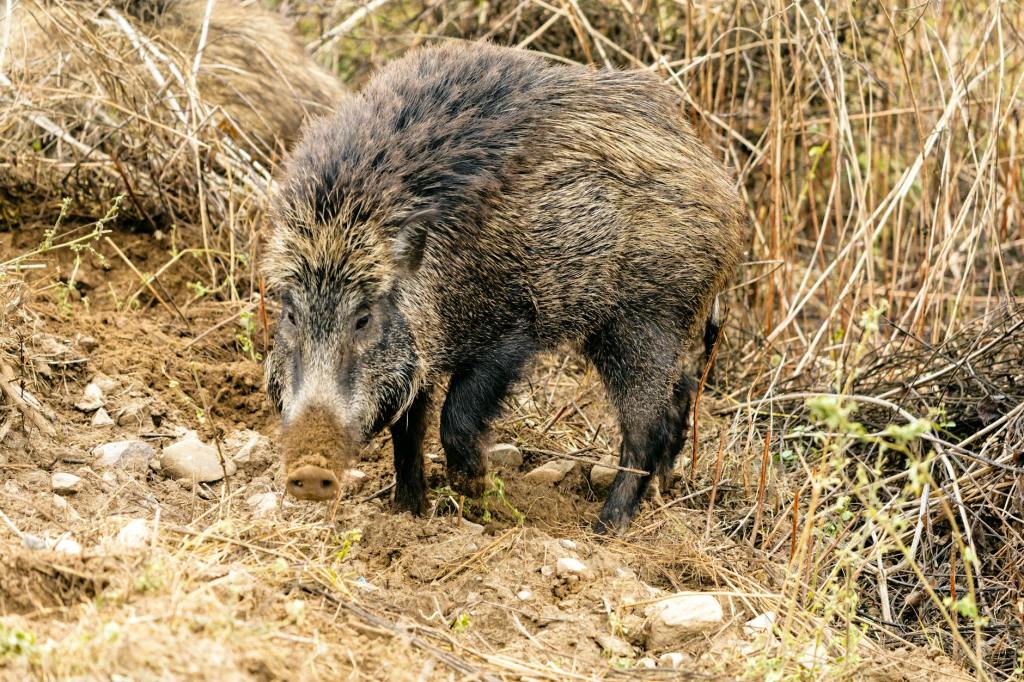
A wide range of species has been affected, reflecting the diversity and complexity of the illegal trade. Wild boars emerged as the most frequently targeted animals, largely due to their demand in the bushmeat trade. In one notable case, authorities seized over a hundred individuals, both live and dead, highlighting the scale at which such operations are conducted.
The study also uncovered evidence of international trafficking networks operating through Punjab. The seizure of shahtoosh shawls pointed to the killing of hundreds of Tibetan antelopes, an endangered species found in high-altitude regions of Central and South Asia. Such findings indicate that Punjab is not merely a site of local poaching but a critical link in broader, transboundary wildlife trade routes.
Equally concerning is the detection of marine wildlife products in this landlocked State, suggesting long-distance smuggling networks that transport illegal goods across regions. Transit hubs such as Amritsar and the Attari border crossing have been identified as key nodes in these operations, facilitating the movement of wildlife derivatives across international borders.
The methods employed in these crimes range from traditional techniques such as snares, nets, and traps to more organized approaches involving firearms and trained hunting dogs. The recovery of wildlife derivatives, including tiger skins, bear bile, coral, and lizard oil, points to sophisticated supply chains that extend far beyond Punjab’s borders.
These findings underscore the evolving nature of wildlife crime in India, where traffickers are increasingly adapting to new environments and exploiting regions that were previously considered low-risk. The shift towards agrarian and peri-urban landscapes complicates enforcement efforts, as these areas often lack the surveillance mechanisms and institutional focus typically associated with forested regions.
Experts emphasize that addressing this challenge will require a multi-pronged approach. Strengthening enforcement mechanisms, enhancing surveillance in identified hotspots, and improving coordination among law enforcement, forest departments, and border agencies are seen as critical steps. Additionally, raising awareness among local communities about the ecological and legal consequences of wildlife crime could help reduce participation in such activities.
The study also highlights the need for improved data collection and monitoring systems to better understand the scale and patterns of wildlife crime in non-traditional landscapes. By identifying hotspots and tracking trends, authorities can deploy targeted interventions and allocate resources more effectively.
Punjab’s case serves as a reminder that wildlife crime is not limited by geography or forest cover. As illegal networks continue to evolve, conservation strategies must also adapt to address threats in diverse landscapes. The findings call for a broader rethinking of wildlife protection efforts, extending beyond protected areas to include agricultural and urban regions that are increasingly becoming part of the illegal wildlife trade network.



 PARYAWARAN
Leave a comment