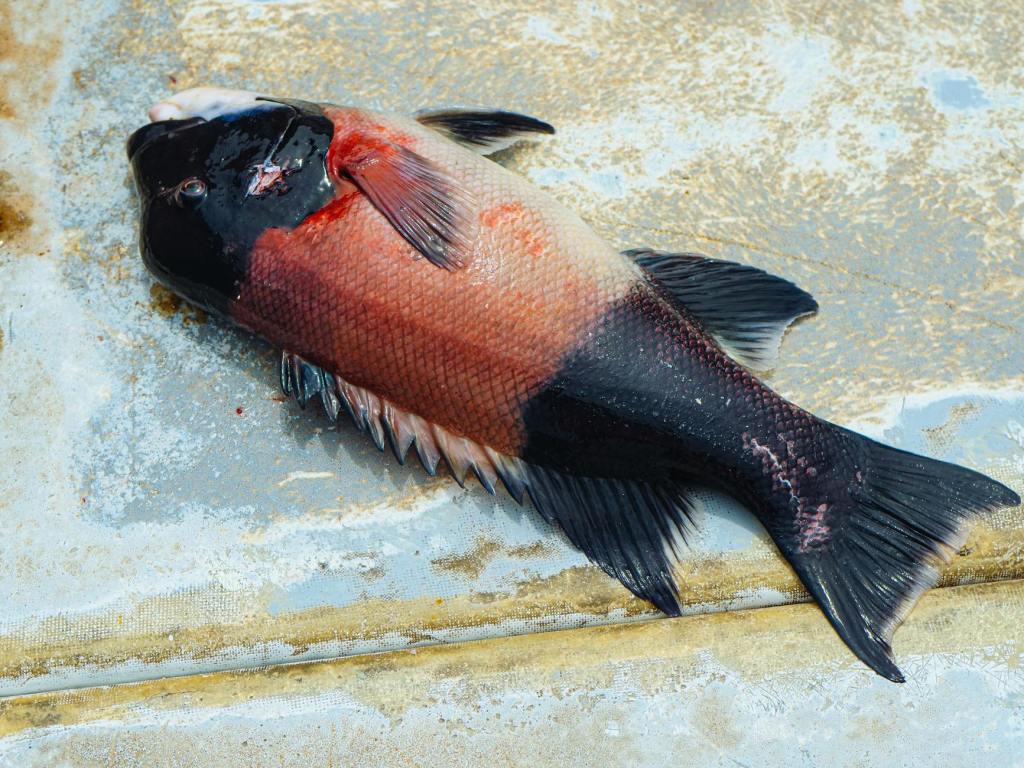
An extensive oil spill off the Gulf of Mexico has dealt a severe blow to fishing communities along Mexico’s eastern coastline, leaving markets deserted and livelihoods in jeopardy during what is traditionally one of the busiest seasons of the year.
In the coastal city of Veracruz, fish markets that typically overflow with customers in the lead-up to Holy Week now stand eerily quiet. Vendors, accustomed to brisk business during the religious holiday when seafood consumption peaks, have been left struggling to attract buyers. Many have resorted to loudly promoting their products, but with little success.
The disruption follows a massive oil spill that has spread more than 600 kilometers across the Gulf waters, affecting at least seven protected natural reserves. The spill has impacted the coastal states of Veracruz, Tabasco, and Tamaulipas—regions heavily dependent on fishing and seafood trade.
Local fishermen report a sharp decline not only in fish availability but also in consumer demand. Concerns over contamination have deterred buyers, compounding the economic strain. For many families, fishing is the primary source of income, and the timing of the spill—coinciding with Holy Week—has intensified the crisis.
Authorities have attributed the spill to a vessel anchored near the port city of Coatzacoalcos, along with what they describe as two “natural seepages.” Government officials report that approximately 430 tons of hydrocarbons have been collected from affected coastlines. Despite the scale of the incident, authorities have downplayed the environmental impact, stating that there is no evidence of severe ecological damage.
However, images and reports circulating in local media tell a different story. Dead marine life, including turtles, eels, and fish, have been found washed ashore or floating near coastal areas. These visuals have fueled public anxiety and skepticism about official claims.
Health authorities have attempted to reassure the public, stating that there have been no confirmed cases of illness linked to seafood consumption following the spill. Nevertheless, caution prevails among consumers. Many remain hesitant to purchase fish, fearing potential health risks that may not yet be fully understood.
The economic fallout has been immediate and severe. Fishermen have been forced to halt operations almost entirely to prevent their boats, engines, and nets from being contaminated by oil. This precaution, while necessary, has effectively cut off their primary source of income.
In smaller fishing communities, the impact has been particularly harsh. With no earnings, some fishermen have reportedly turned to bank loans to survive, raising concerns about long-term financial instability. Activists estimate that several hundred fishermen could be affected, though official figures have yet to be released.
Veracruz, one of Mexico’s key seafood-producing states, contributed approximately 2.76 percent of the country’s fish, oyster, and seafood output in 2024. Seafood is not only an economic staple but also a cultural cornerstone, forming an essential part of traditional cuisine, especially during religious observances like Holy Week.
The spill has therefore struck at both the economic and cultural fabric of the region. What is usually a festive period marked by increased fishing activity due to seasonal fish migration has instead become a time of uncertainty and hardship.
As cleanup efforts intensify, federal and state authorities are working to contain the spread of the oil and restore affected coastlines. Yet for many in the fishing community, recovery may take far longer. The loss of income during peak season, combined with declining consumer trust, presents a daunting challenge.
The situation underscores the vulnerability of coastal economies to environmental disasters and raises pressing questions about preparedness, accountability, and long-term ecological protection. For now, the once-bustling fish markets of Veracruz serve as a stark reminder of the far-reaching consequences of such incidents—where environmental damage quickly translates into human and economic distress.

 PARYAWARAN
Leave a comment