
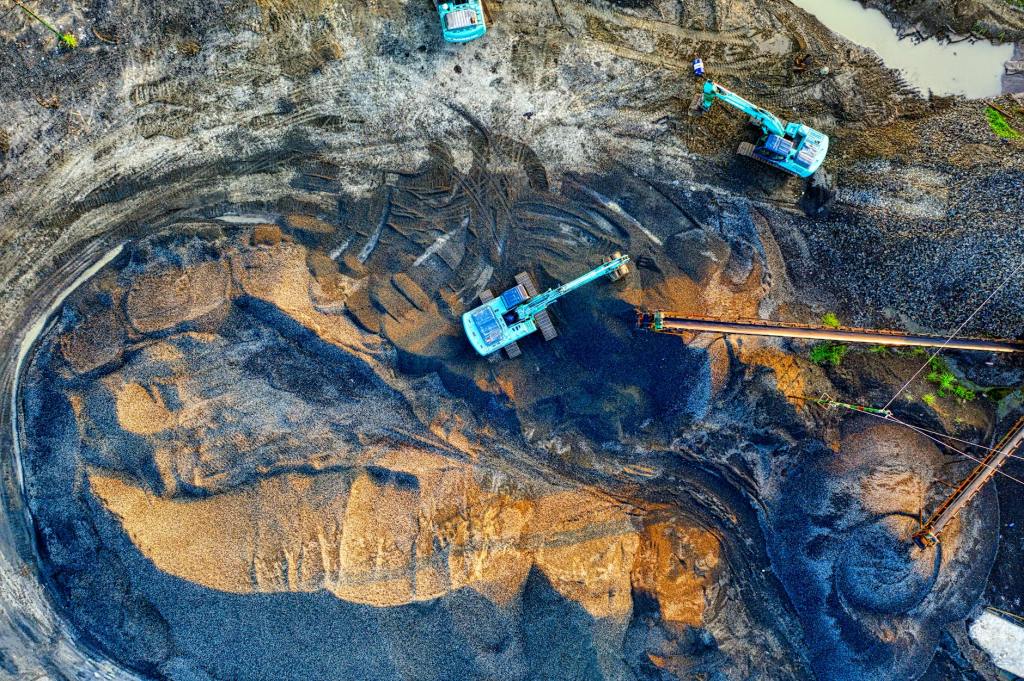
The Trump administration has finalized a sweeping set of rules that significantly curtail public participation in environmental decision-making, fast-tracking approvals for logging, mining, drilling, and infrastructure projects across the United States’ national forests. The move, implemented through the U.S. Department of Agriculture, marks a major shift in how federal agencies evaluate and approve activities on public lands.
Under the new framework, longstanding requirements for public notice, comment, and environmental review processes have been scaled back or eliminated. These processes were historically mandated under the National Environmental Policy Act (NEPA), a foundational environmental law enacted in 1970 to ensure that federal agencies consider environmental impacts and involve citizens before approving major projects.
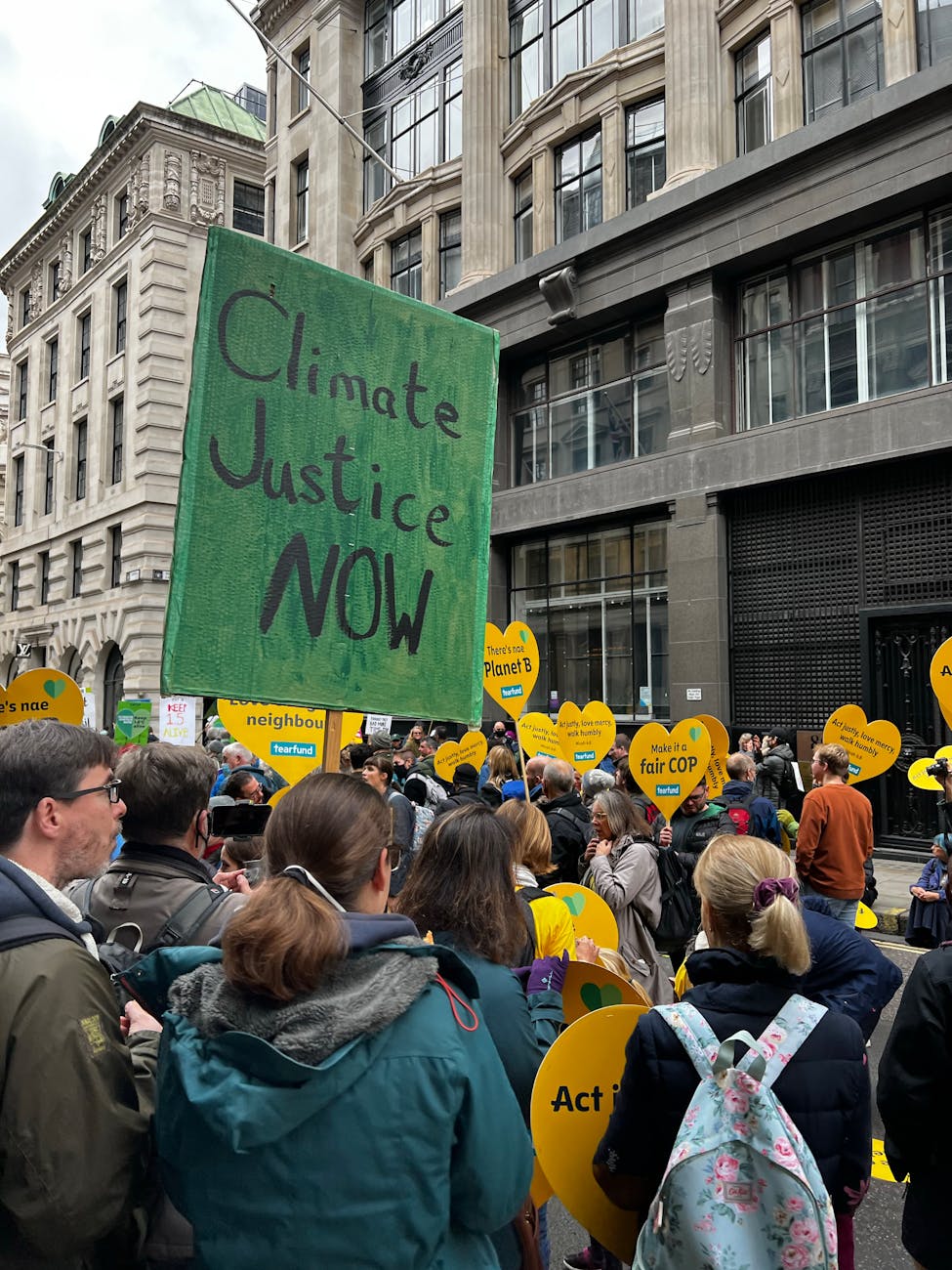
Environmental groups argue that the rollback undermines transparency and weakens democratic participation in decisions that affect public lands, wildlife, and local communities. Organizations such as the Center for Biological Diversity and the Sierra Club have strongly opposed the changes, warning that they could enable unchecked industrial expansion in ecologically sensitive areas.
The revised rules allow many projects within the country’s 193 million-acre national forest system to proceed without prior public disclosure. In some cases, development proposals—such as large-scale logging operations exceeding 2,000 acres—may not be publicly announced until after approval, or may not be disclosed at all. Critics contend that this effectively removes one of the last avenues for communities and stakeholders to access information and raise concerns about environmental risks.
In addition to land-use changes, the new regulations also eliminate public participation in decisions related to federal wildlife control programs. The USDA’s Wildlife Services program, which reportedly kills over 400,000 native animals annually—including predators such as coyotes, wolves, and mountain lions—will now operate with even less public oversight. Environmental advocates argue that this diminishes accountability in wildlife management and raises ethical and ecological concerns.
The rules further extend to federal responses to disease outbreaks in industrial agriculture, including the government’s handling of bird flu. Public input on these responses, which often involve large-scale culling of animals and significant public expenditure, has also been removed. Observers note that this limits scrutiny over how taxpayer funds are used and how such actions impact ecosystems and food systems.
Opposition to the changes has been widespread. More than 150,000 public comments were submitted during the rulemaking process, the majority expressing concern or outright opposition. These included submissions from attorneys general representing 17 states, as well as local governments and Tribal authorities from regions with substantial federally owned lands. Many of these comments emphasized the importance of public engagement in improving policy outcomes and ensuring environmental safeguards.
A growing body of research supports the value of public participation in environmental governance. Studies indicate that public comments often provide critical local knowledge, highlight overlooked risks, and contribute to more balanced and sustainable decision-making. By removing these mechanisms, critics argue, the new rules risk increasing environmental degradation and reducing trust in federal institutions.
Legal challenges have already been initiated. The Center for Biological Diversity and the Sierra Club have filed a federal lawsuit contending that the USDA failed to follow proper procedures by not adequately seeking public input before implementing the rules. The case also questions the legality of introducing such sweeping changes under the guise of interim measures.
Supporters of the policy within the administration argue that the changes are necessary to streamline bureaucratic processes, reduce delays, and promote economic development. They maintain that faster approvals will facilitate infrastructure growth, energy production, and resource extraction, contributing to national economic priorities.
However, environmental advocates warn that the long-term costs could outweigh short-term gains. Reduced oversight, they argue, may lead to habitat destruction, water contamination, and increased greenhouse gas emissions, ultimately undermining efforts to address climate change and biodiversity loss.
The changes also reflect a broader trend of regulatory rollback affecting NEPA since the beginning of the administration’s tenure. Observers note that these cumulative actions represent one of the most significant shifts in U.S. environmental policy in decades, with far-reaching implications for governance, conservation, and public trust.
As legal battles unfold and implementation begins, the future of public participation in environmental decision-making in the United States remains uncertain. What is clear, however, is that the balance between development and conservation—and the role of citizens in shaping that balance—has entered a new and contentious phase.


 PARYAWARAN
Leave a comment