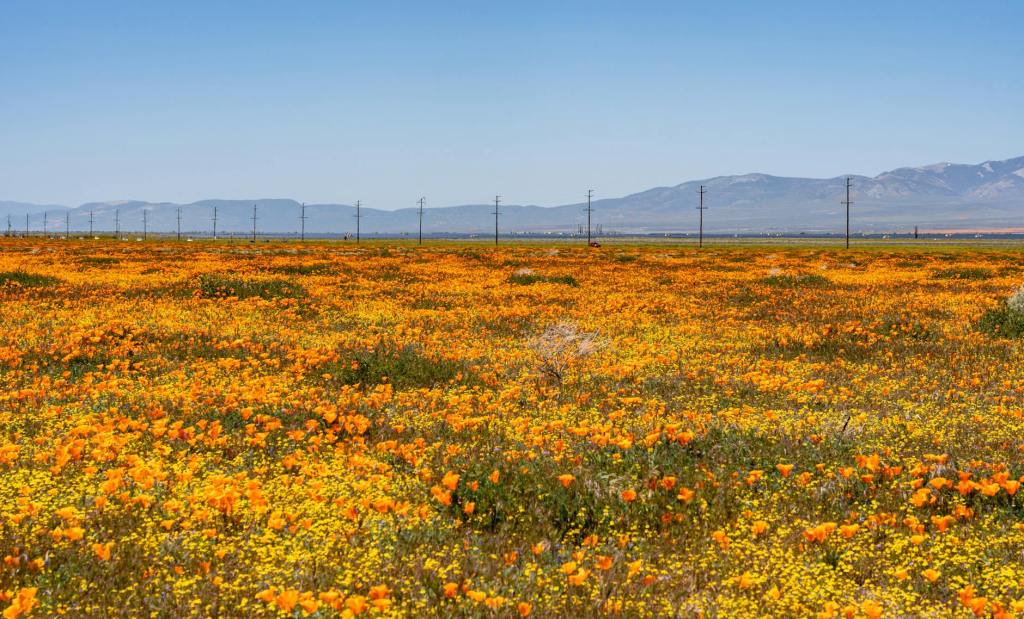
In California’s Sacramento Valley, a unique agricultural landscape is redefining the role of farming in environmental restoration. At a large native seed farm established by River Partners in 2021, fields of native grasses, milkweed and wildflowers are being cultivated not for consumption, but to rebuild ecosystems across the state.
Spread across more than 200 acres in Colusa County, the initiative—known as Heritage Growers—addresses a critical yet often overlooked bottleneck in ecological restoration: the shortage of locally adapted native seeds. These “source-identified” seeds are genetically tied to specific regions, ensuring that plants used in restoration are suited to local soils, climate and ecological interactions.
This approach is central to California’s ambitious 30×30 initiative, which aims to conserve 30 percent of the state’s lands and coastal waters by 2030. Experts emphasize that conservation targets cannot be achieved solely by designating protected areas; they require functional ecosystems built on native vegetation.
Across the state, restoration efforts are expanding rapidly. Wetlands, forests, rivers and grasslands are being rehabilitated by government agencies, tribal groups and conservation organizations. However, demand for native plant material has surged far beyond supply. The California Native Plant Society has highlighted this growing gap, calling for coordinated action to scale up seed production and standardize practices.
Unlike conventional agriculture, native seed production is a complex and time-intensive process. It begins with ethical collection of seeds from wild populations, ensuring that only a small fraction is harvested to protect natural regeneration. These seeds are then cleaned—often manually—and tested before being propagated under controlled conditions that maintain genetic diversity.
The timeline for producing usable quantities of seed can span several years. Restoration planners frequently underestimate this lag, creating a mismatch between project timelines and seed availability. Additionally, harvesting native seeds requires precision, with some species needing to be collected within narrow windows to ensure viability.
Certain plants, such as milkweed—essential for pollinators like the monarch butterfly—are particularly expensive to produce, sometimes exceeding $1,000 per pound. Despite the cost, their ecological importance makes them indispensable to restoration strategies.
The farm’s model differs from traditional commercial seed suppliers. By cultivating its own seed stock years in advance, it allows for better planning and cost stability in long-term restoration projects. Currently, the operation produces between 30,000 and 40,000 pounds of seed annually, covering up to 200 native species. Even at this scale, supply remains insufficient to meet California’s growing restoration needs.
California is recognized as a global biodiversity hotspot, supporting thousands of endemic species. Yet, decades of development, intensive agriculture, invasive species and climate change have significantly altered its natural landscapes. Estimates suggest that 80 to 90 percent of the state’s original ecosystems have been degraded or lost over the past 150 years.
Reintroducing native vegetation is critical to reversing these trends. Native plants form the foundation of ecological networks, supporting insects that in turn sustain birds, fish and mammals. Without this base layer, entire food webs risk collapse.
Beyond biodiversity, native plants also contribute to climate resilience and disaster mitigation. Deep-rooted perennial grasses improve soil structure and water retention, enhancing groundwater recharge and reducing vulnerability to drought. They also influence fire behavior, as native species tend to be less flammable than invasive annual grasses that dominate many degraded landscapes.
These characteristics make native seeds vital in post-wildfire recovery. After major fires, restoration teams reseed affected areas to stabilize soils, prevent erosion and suppress invasive weeds. Locally adapted species help accelerate recovery and create more fire-resilient ecosystems.
The impact of this seed production effort is already visible in large-scale restoration projects. At the San Joaquin River National Wildlife Refuge, thousands of acres of riparian habitat have been restored, including the planting of hundreds of thousands of trees and the reconnection of floodplains. Native seeds supplied by the farm have played a key role in establishing resilient understory vegetation adapted to local conditions.
Further north, the farm has contributed to restoration efforts along the Klamath River following one of the most significant dam removal projects in U.S. history. As former reservoirs are transformed back into riverine ecosystems, restoration teams are racing to stabilize exposed soils and reestablish native plant communities. Thousands of plants and large quantities of seed have been deployed to ensure that native species take hold before invasive plants can dominate.
These projects highlight a broader shift in conservation thinking—one that recognizes restoration as a cornerstone of environmental policy. However, the success of such efforts ultimately depends on a foundational resource that remains in short supply: the right seeds, grown in the right place, at the right time.
As California accelerates its ecological restoration agenda, initiatives like this native seed farm are emerging as critical infrastructure—quietly underpinning efforts to rebuild ecosystems, strengthen climate resilience and secure biodiversity for the future.


 PARYAWARAN
Leave a comment