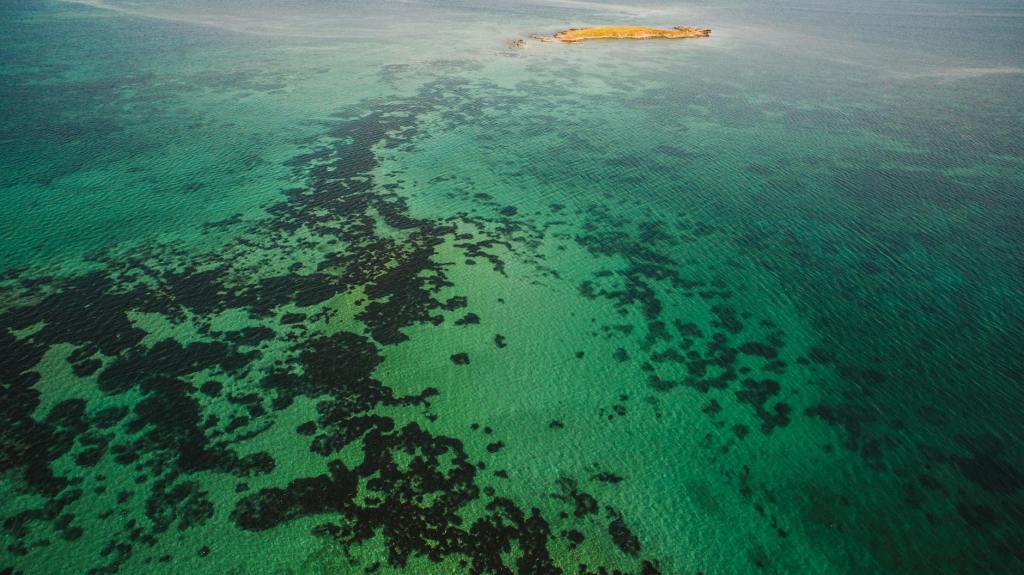
In the wake of Hurricane Beryl’s devastating Category 4 impact on the Caribbean, concerns are escalating over the rapid decline of coral reefs, which play a pivotal role in protecting the region from such natural disasters. These reefs, long regarded as nature’s barrier against destructive storm surges and flooding, are facing unprecedented threats from climate change and human activities.
Coral reefs are not merely picturesque underwater landscapes; they serve as critical natural defenses for Caribbean islands, mitigating wave energy and reducing the severity of storms. However, recent decades have seen a staggering 80% decline in live coral cover. This alarming trend is primarily attributed to rising ocean temperatures, ocean acidification, and detrimental human activities such as overfishing and coastal development.
Scientists and environmental experts warn that the loss of these reefs could have catastrophic implications for both the Caribbean nations and the United States. Without the protective buffer of coral reefs, coastal communities are at increased risk of flooding and heightened vulnerability to hurricane impacts. This scenario underscores the urgent need for concerted international efforts to preserve and restore these vital ecosystems.
The Caribbean’s vulnerability to hurricanes is well-documented. In 2017, hurricanes Irma and Maria wreaked havoc across the region, causing billions of dollars in damages and claiming numerous lives. Coral reefs, by virtue of their complex structure and biodiversity, act as natural breakwaters, absorbing wave energy and reducing the force of incoming storms. As these reefs decline, their ability to provide this crucial protection diminishes significantly.
Climate change lies at the heart of the coral reef crisis. Elevated sea temperatures lead to coral bleaching, a phenomenon where corals expel the symbiotic algae that provide them with nutrients and color. Prolonged bleaching events weaken corals, making them susceptible to diseases and mortality. Combined with ocean acidification, which impairs coral growth and resilience, these factors create a lethal cocktail for reef survival.
Human activities exacerbate these environmental stressors. Overfishing reduces fish populations that help maintain reef health, while coastal development and pollution introduce sedimentation and chemicals that can smother or poison corals. The cumulative impact is a rapid decline in coral cover across the Caribbean, transforming once vibrant ecosystems into barren stretches of degraded reef.
The implications of reef loss extend far beyond ecological concerns. Economically, Caribbean nations rely heavily on tourism and fisheries that depend on healthy coral reefs. Tourism alone generates billions of dollars annually for the region, with reef-related activities such as snorkeling and diving drawing visitors from around the globe. The loss of reefs not only threatens these industries but also jeopardizes the livelihoods of thousands who depend on them.
Furthermore, the indirect costs of reef degradation are profound. Increased storm damage and flooding necessitate higher expenditures for disaster response and recovery. In the absence of natural protections provided by coral reefs, engineered solutions such as seawalls and breakwaters become necessary, further straining limited resources and potentially altering coastal ecosystems irreversibly.
In response to these challenges, conservationists and governments are advocating for comprehensive strategies to conserve and restore coral reefs. Initiatives include establishing marine protected areas, implementing sustainable fishing practices, reducing pollution inputs, and promoting climate change mitigation efforts such as reducing greenhouse gas emissions.
International cooperation is essential, given the transboundary nature of coral reef ecosystems and the shared vulnerability of Caribbean nations to climate impacts. Collaborative research, capacity-building, and funding mechanisms are critical to scaling up conservation efforts and ensuring the resilience of reefs in the face of ongoing climate change.
Looking forward, there is cautious optimism that concerted action can make a difference. Projects such as coral gardening, where fragments of healthy corals are grown and transplanted onto degraded reefs, have shown promise in restoring reef structure and function. However, these efforts require sustained political will, financial investment, and public awareness to succeed.
Ultimately, the fate of Caribbean coral reefs hangs in the balance. Their decline represents not just an environmental crisis but also a threat to the safety, economy, and cultural heritage of the region. As Hurricane Beryl vividly illustrates, the time to act is now, lest we lose these invaluable natural defenses against the storms of an increasingly uncertain future.


 PARYAWARAN
Leave a comment