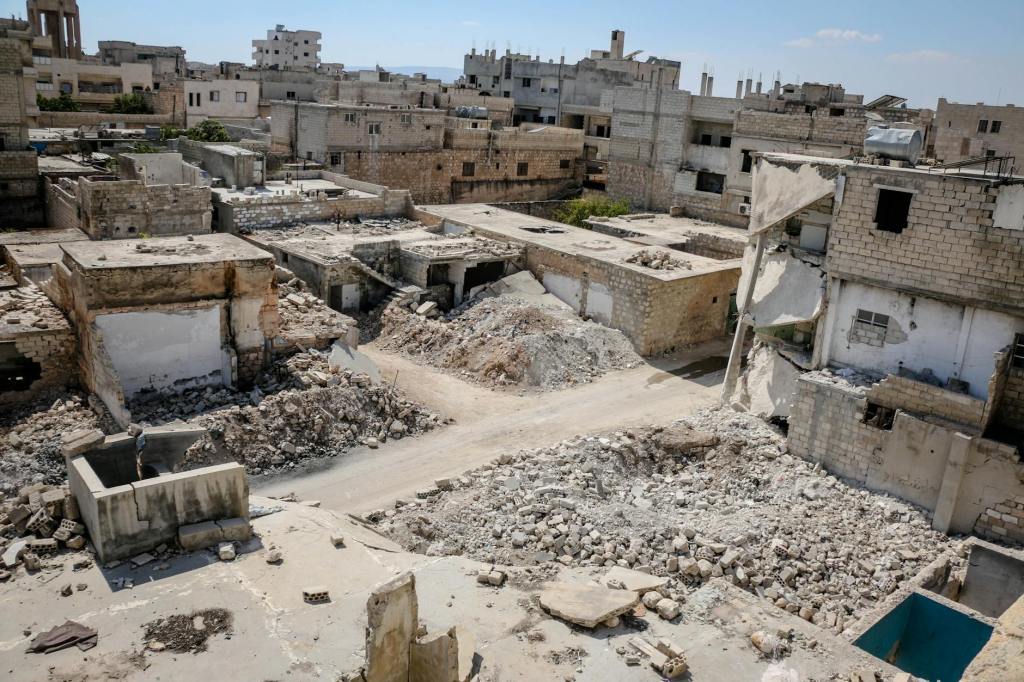
A recent study has unveiled alarming health risks faced by residents returning to war-damaged homes in Iraq. The research highlights the dangers of exposure to toxic dust laden with heavy metals, which can cause severe health issues, including birth defects, cancers, and long-term respiratory diseases.
The study, conducted in the aftermath of bombings in regions like al-Faluja, revealed that bone samples from residents contained significant levels of hazardous substances. Nearly one-third of the participants had traces of uranium in their bones, while lead was detected in all samples, with concentrations six times higher than the average levels found in the United States. These findings underscore the persistent toxic legacy left behind long after the conflicts have ceased.
Residents who return early to clean up debris are particularly vulnerable. The dust generated during this process often contains hazardous materials such as lead, mercury, and depleted uranium. Exposure is not limited to immediate health effects; it can also have long-term consequences, including developmental issues in children, hormonal disruptions, and an increased risk of cancers.
The study also pointed to the compounded health risks posed by poor nutrition during displacement. Nutritional deficiencies can weaken the body’s ability to detoxify heavy metals, making pregnant women and young children especially susceptible to the adverse effects of toxic exposure.
To mitigate these risks, the authors of the study advocate for the implementation of protective measures. They emphasize the need for better dissemination of information to affected communities, equipping residents with knowledge on how to safeguard themselves. Practical recommendations include the use of protective masks, avoiding the burning of waste materials, and taking dietary supplements to reduce the absorption of heavy metals.
“The silent, invisible dangers of war extend far beyond the battlefield,” said one of the study’s lead authors. “The toxic aftermath embedded in the very fabric of these cities continues to pose a threat to health and future generations.”
Regions such as Gaza, Syria, and Lebanon face similar challenges, where the environmental impact of war is as enduring as the scars on the landscape. Cleaning up after war is not just about rebuilding infrastructure—it requires addressing the hidden toxins that linger long after the last bomb has fallen.
As communities strive to rebuild their lives, the study serves as a stark reminder of the need for comprehensive post-conflict recovery plans that prioritize both physical infrastructure and public health. Without such measures, the true cost of war may never be fully accounted for.


 PARYAWARAN
Leave a comment