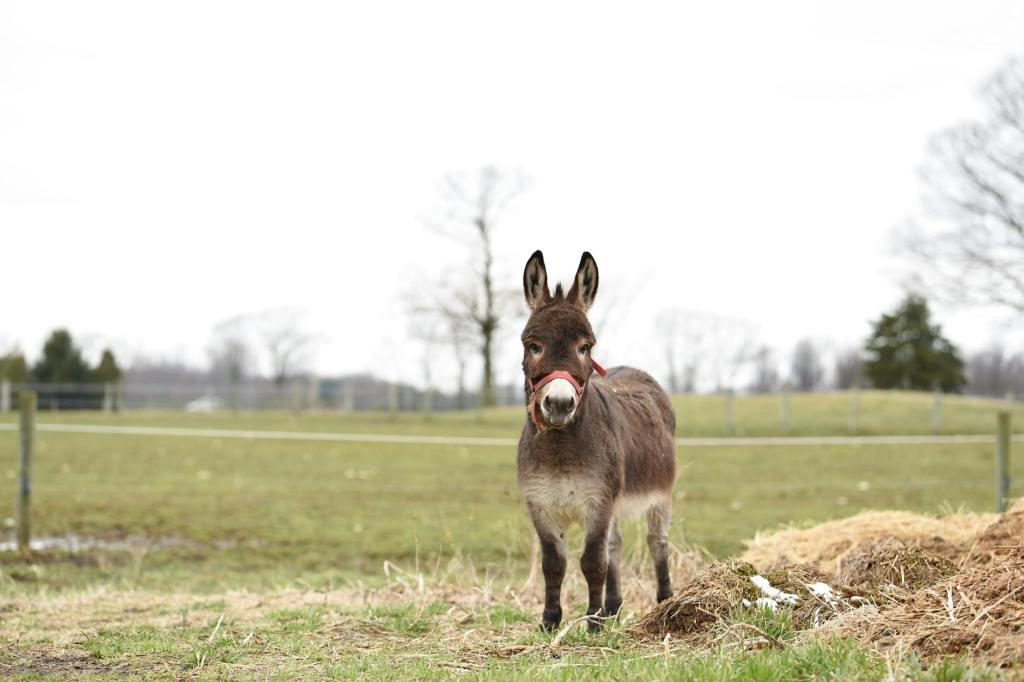
As wildfires intensify across Spain, a quiet yet effective solution is gaining ground in some of the country’s most vulnerable landscapes: donkeys. These animals, long associated with traditional rural life, are now being deployed as natural fire prevention agents, helping to reduce vegetation that fuels destructive blazes.
In recent years, Spain has faced increasingly severe wildfire seasons, driven by rising temperatures, prolonged droughts, and widespread rural depopulation. With fewer people and livestock maintaining the land, dry vegetation has accumulated across forests and grasslands, creating highly flammable conditions. By August 2025, nearly one million hectares had burned, marking one of the worst fire seasons in three decades and prompting multiple regions to declare disaster zones.
To address this growing crisis, several regions have turned to an innovative yet traditional approach: using donkeys to graze on undergrowth. These animals consume dry, coarse vegetation that other livestock often avoid, gradually clearing combustible material and creating natural firebreaks.
One of the earliest and most notable initiatives began in southern Spain near a major national park, where a small group of rescued donkeys has been working since 2014. These animals graze for several hours a day over large patches of land, systematically reducing plant fuel. Their steady, daily work has contributed to a remarkable outcome: the area has not recorded a forest fire in nearly a decade.
The success of this model has inspired similar projects in other parts of the country. In northeastern Spain, a program that began with just a handful of donkeys has expanded significantly, now managing hundreds of hectares of land. Local organizers report that areas maintained by these animals have remained free from fires since the initiative began.
In northwestern regions, donkeys are being used on an even larger scale, covering vast stretches within protected landscapes. Equipped with tracking devices, they roam across rugged terrain, grazing on shrubs and dry vegetation. Their ability to navigate difficult areas—often inaccessible to machinery—makes them particularly valuable in fire-prone zones.
Environmental experts highlight several advantages of using donkeys for this purpose. Unlike mechanical clearing, which can be costly and disruptive, donkey grazing is continuous, low-impact, and sustainable. Their feeding habits help maintain open landscapes, reducing the density of vegetation that allows fires to spread rapidly. Additionally, their presence supports biodiversity by preventing the dominance of highly flammable plant species.
The approach also contributes to rural revitalization. Many of these projects involve local communities and volunteers who help care for the animals, ensuring they have water and monitoring their movements. In doing so, they reconnect people with traditional land management practices that have largely disappeared due to agricultural mechanization.
However, experts caution that donkey grazing is not a standalone solution. Effective wildfire prevention still requires comprehensive land management strategies, including controlled burns, forest planning, and the reduction of highly flammable tree species such as pine and eucalyptus. The donkeys’ role is best understood as part of a broader, integrated approach.
Despite these limitations, the growing adoption of “donkey firefighters” reflects a shift in thinking about how to address climate-driven challenges. By combining traditional knowledge with modern conservation goals, these initiatives offer a practical and environmentally friendly way to reduce wildfire risks.
In a landscape increasingly threatened by extreme fires, the steady work of these animals demonstrates that sometimes the most effective solutions are not new technologies, but time-tested practices adapted for modern needs.



 PARYAWARAN
Leave a comment