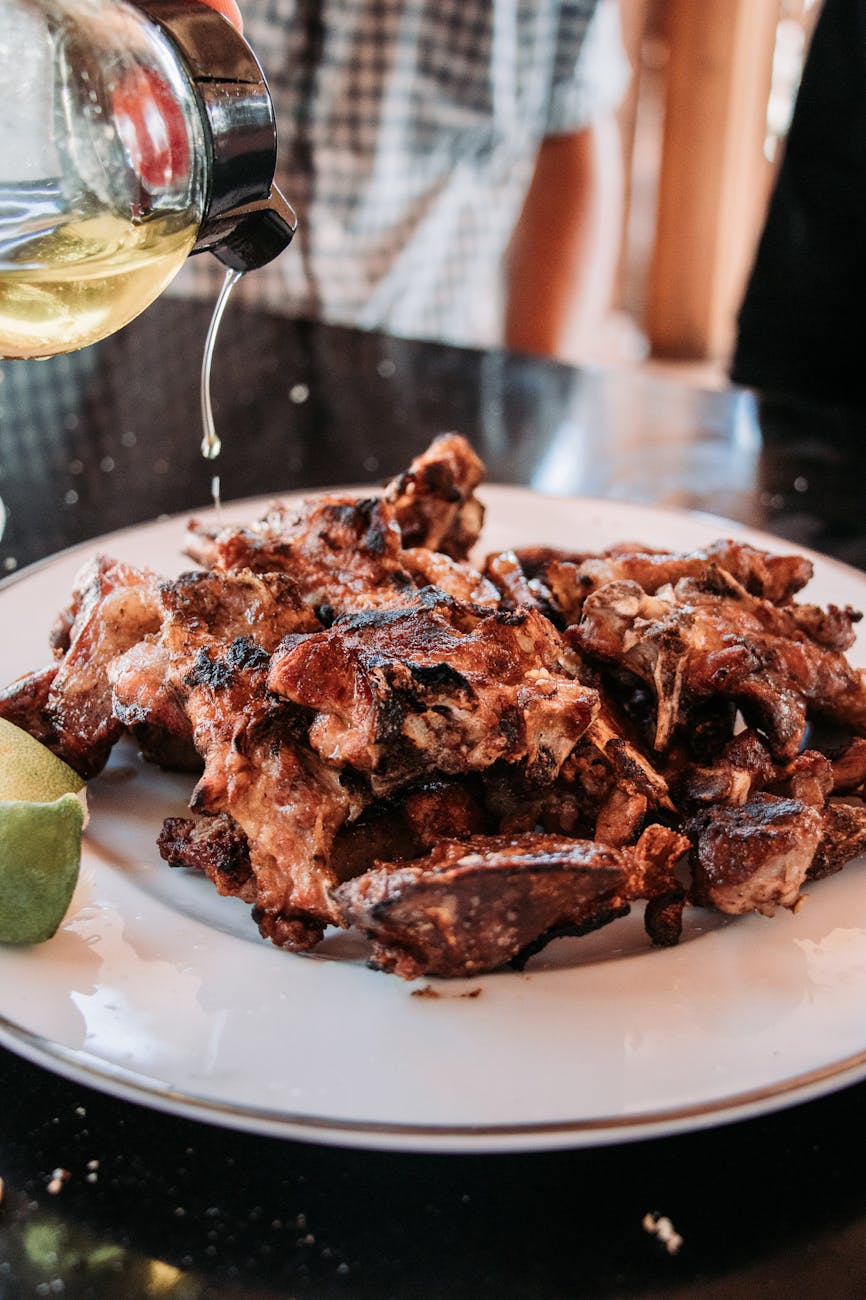
Wild meat consumption across Central Africa has risen dramatically over the past two decades, placing increasing pressure on wildlife populations and raising concerns about the future of food security in rural communities, according to a new study published in the journal Nature.
Researchers found that annual consumption of meat from wild animals in the Congo Basin reached nearly 1.2 million U.S. tons in 2022, a sharp increase since 2000. The study highlights how both growing urban demand and continued rural dependence on wild meat are driving the trend across the region.
The research was led by Dr. Mattia Bessone of the Center for International Forestry Research and World Agroforestry (CIFOR). The team analyzed data collected from 12,453 households and more than 163,000 survey reports gathered across 252 locations in seven Central African countries.
The findings reveal that wild meat remains deeply connected to the daily lives, culture, and survival of millions of people in the Congo Basin. However, scientists warn that current levels of hunting are becoming unsustainable and may threaten many forest animal populations if left unchecked.
The study found that rural communities continue to consume the highest amounts of wild meat because forests remain nearby and hunting is often the most affordable way to access protein. In many remote villages, farmed meat is expensive or difficult to obtain, while livestock farming is often limited by disease, lack of veterinary services, and poor access to animal feed.
Researchers estimated that wild meat provides around 20% of the recommended daily protein intake for rural populations. In towns, the figure drops to 13%, while urban residents receive about 6% of their protein from wild meat.
Despite lower per-person consumption in cities, urban demand is emerging as one of the biggest threats to wildlife. Large populations in growing cities create enormous market pressure, even when individual consumption remains relatively low.
According to the study, the average adult in villages consumes roughly 2 ounces of wild meat per day, compared to 1.3 ounces in towns and 0.6 ounces in cities. But because urban populations are much larger, occasional purchases by city residents add up to massive extraction from forests.
Researchers say hunted meat is increasingly transported from forests into urban markets, where it is often sold as a delicacy or for cultural celebrations. This growing commercial trade is accelerating hunting pressure on wildlife species already struggling to survive habitat loss and environmental changes.
Medium and large mammals are facing the greatest danger because they provide more meat and reproduce more slowly. Scientists warn that many species may decline rapidly if hunting continues at current levels.
The study estimates that wild meat consumption in 2022 exceeded more than half of a previous estimate of the total standing mass of forest mammals in the region. In simple terms, humans are removing animals from forests at rates that may outpace nature’s ability to replenish them.
Experts involved in the study cautioned against relying only on hunting bans or strict enforcement measures. They argue that such approaches could harm rural families who depend on forests for survival while failing to address growing urban demand.
“Wild meat consumption is a major part of Central Africa’s socio-economic fabric,” said Bessone. Researchers emphasized that cultural traditions, food preferences, and local economies are closely tied to hunting and wildlife trade.
Many families use goats and chickens mainly as financial backup during emergencies rather than regular food sources. In some cities, consumers also distrust imported frozen meat, preferring hunted animals seen as fresher or more traditional.
The researchers stressed that sustainable solutions must combine wildlife conservation with food security and economic support for local communities. Expanding access to affordable poultry, fish farming, and other reliable protein sources could help reduce pressure on wildlife.
The international Sustainable Wildlife Management Programme is already testing alternative livelihood and food systems in several countries by working directly with governments and local communities.
Scientists say involving communities in decision-making is critical. Rather than imposing outside restrictions, they recommend locally designed hunting rules that identify which species can be hunted, when hunting is allowed, and how wildlife populations can recover.
The study also noted that many parts of Central Africa remain poorly surveyed, meaning the true scale of hunting and wildlife decline may still be underestimated. Researchers used predictive computer models to fill data gaps, but they say more field studies are urgently needed.
Despite uncertainties, experts believe the warning signs are clear. As populations grow and urban markets expand, pressure on Central Africa’s forests is likely to intensify unless governments invest in sustainable food systems and stronger wildlife management.
The researchers concluded that protecting wildlife and protecting people must go hand in hand. Without realistic alternatives for food and income, efforts to conserve biodiversity may fail, while continued overhunting could push many forest species closer to collapse.

 PARYAWARAN
Leave a comment