Uganda, one of Africa’s most biodiverse nations, is emerging as a significant front in the fight against wildlife trafficking through a growing model of connected conservation and cross-border enforcement cooperation. Home to endangered mountain gorillas, extensive wetlands, montane forests, and diverse wildlife habitats, the country has long faced mounting pressure from illegal wildlife trade networks operating across East and Central Africa.
The country’s ecological richness, combined with porous borders and regional instability, has made Uganda vulnerable to organised trafficking syndicates targeting both iconic and lesser-known species. While elephants and rhinos once dominated illegal wildlife trade, enforcement agencies are now witnessing a sharp rise in trafficking involving birds, reptiles, pangolins, and primates, largely driven by international demand for exotic pets and wildlife products.
In response, the International Fund for Animal Welfare (IFAW), through its Room to Roam initiative and the Conservation Action through Rural Engagement (CARE) Project supported by the United States Bureau of International Narcotics and Law Enforcement Affairs (INL), has intensified collaboration with Ugandan authorities to strengthen wildlife protection, improve law enforcement capacity, and enhance prosecution systems.
Working alongside the Uganda Wildlife Authority (UWA), the Uganda Revenue Authority (URA), and other enforcement agencies, IFAW has supported frontline officers through specialised training, operational equipment, and technical assistance aimed at combating wildlife trafficking across vulnerable border regions.
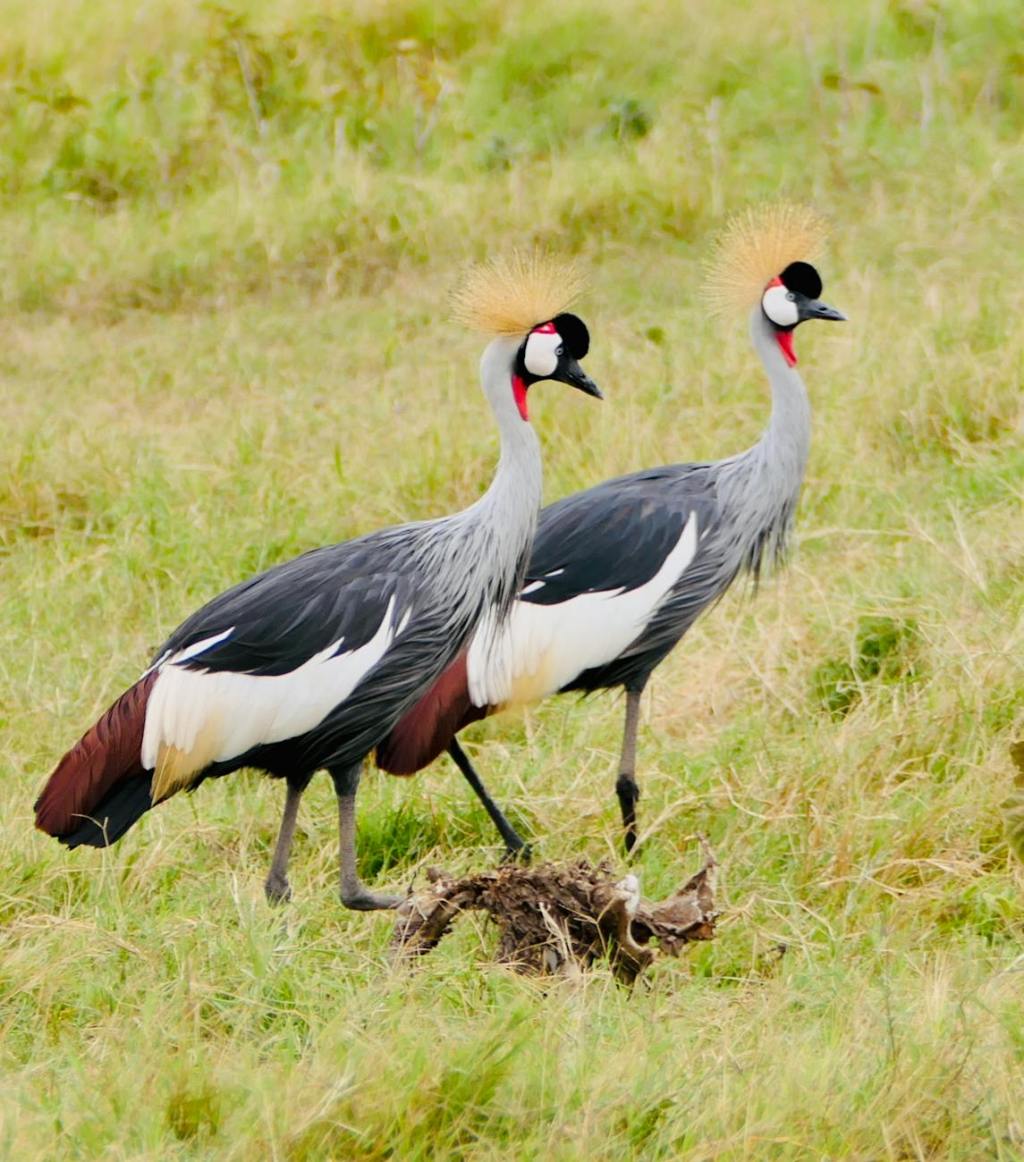
Recent interventions under these partnerships have shown measurable progress. Authorities recorded a significant decline in pangolin trafficking cases, with incidents dropping by nearly 50 percent between 2024 and 2025. Cases involving the illegal capture and trade of grey crowned cranes, Uganda’s national bird, also declined sharply during the same period. Conservationists believe these improvements reflect the growing impact of targeted investments in enforcement training, surveillance, and inter-agency coordination.
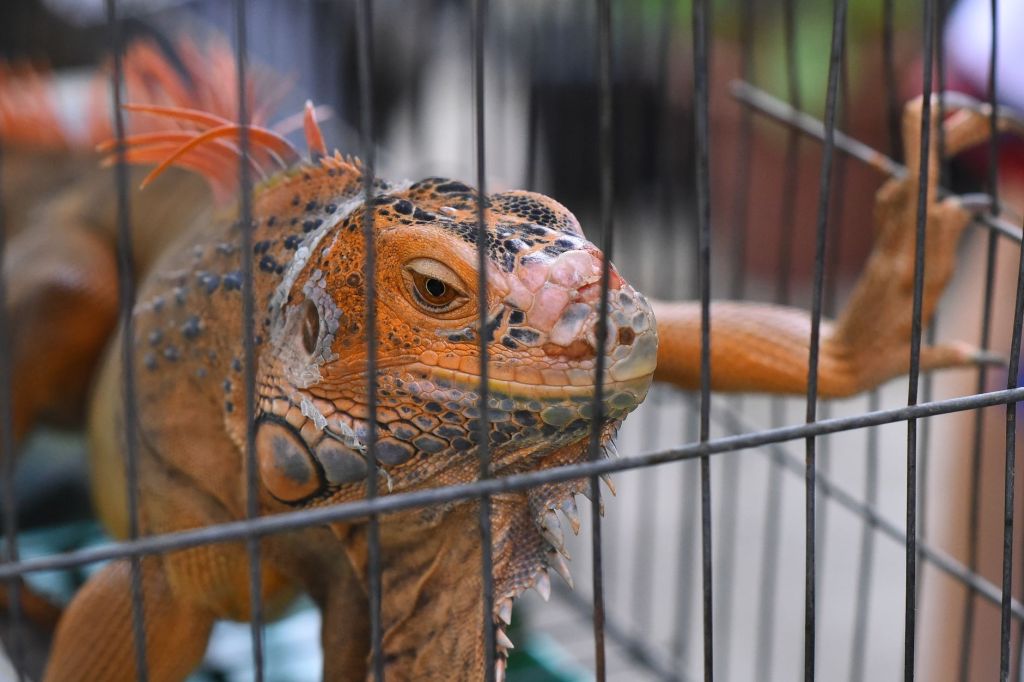
Wildlife protection efforts have focused heavily on strengthening frontline response systems. Enforcement personnel have received specialised training in wildlife crime detection, handling of live animal seizures, evidence preservation, and safe transport procedures. Veterinary teams and wildlife officers have also been equipped with confiscation kits and specially designed transport cages to improve the rescue and rehabilitation of trafficked animals.
The changing nature of wildlife trafficking has created new operational challenges for authorities. Unlike ivory or wildlife body parts, trafficked live animals require immediate medical attention and careful handling after seizure. Animals are often smuggled in sacks, crates, or hidden compartments inside vehicles moving across remote border routes into neighbouring countries.
Conservation agencies have warned that poor handling during the first few minutes after confiscation can lead to animal deaths, weakened legal evidence, and increased risks of zoonotic disease transmission. In the past, Uganda lacked standardised procedures for handling live wildlife seizures, resulting in inconsistent rehabilitation practices and difficulties in securing successful prosecutions.
Efforts are now underway to close these gaps through legal and institutional reforms. During the CARE Project, IFAW collaborated with partners including Legal Atlas to analyse gaps in Ugandan legislation related to animal welfare, handling of live wildlife evidence, and procedures for releasing confiscated animals back into protected habitats. The reforms aim to ensure that wildlife trafficking cases not only result in seizures but also lead to stronger convictions in court.
One of the most critical areas in Uganda’s conservation landscape lies along the border with the Democratic Republic of the Congo (DRC), where protected ecosystems intersect with human settlements and international trade routes. The region includes a unique biosphere reserve model that supports coexistence between local fishing communities and wildlife conservation initiatives.
While this integrated approach has helped balance livelihoods with environmental protection, the region remains vulnerable to trafficking activity due to weak governance and ongoing insecurity in neighbouring territories. Criminal networks often exploit remote border zones and poorly monitored crossings to move wildlife across countries before transporting animals to international markets in Europe and Asia.
Border towns such as Ishasha and Mpondwe have increasingly emerged as important transit points for trafficked wildlife. Species commonly targeted include African grey parrots, grey crowned cranes, African fish eagles, and several reptile species. Many of these animals are protected under the Convention on International Trade in Endangered Species of Wild Fauna and Flora (CITES), which prohibits or restricts global trade in threatened wildlife.
Despite international protections, conservation groups argue that enforcement challenges remain severe across the region, particularly where neighbouring countries lack sufficient legal frameworks or enforcement capacity. Wildlife trafficking continues to generate billions of dollars annually in illicit financial flows, making it one of the world’s most profitable environmental crimes.
Conservation experts believe Uganda’s evolving approach demonstrates the importance of connected conservation strategies that combine law enforcement, community participation, animal welfare, and international cooperation. Increasingly, wildlife crime is being treated not as an isolated conservation issue but as a transnational organised crime challenge requiring coordinated regional responses.
Although significant challenges persist, Uganda’s recent progress offers growing hope that stronger partnerships among IFAW, INL, UWA, URA, Legal Atlas, and regional enforcement agencies can disrupt trafficking networks while protecting biodiversity and supporting communities living alongside wildlife.
 PARYAWARAN
Leave a comment