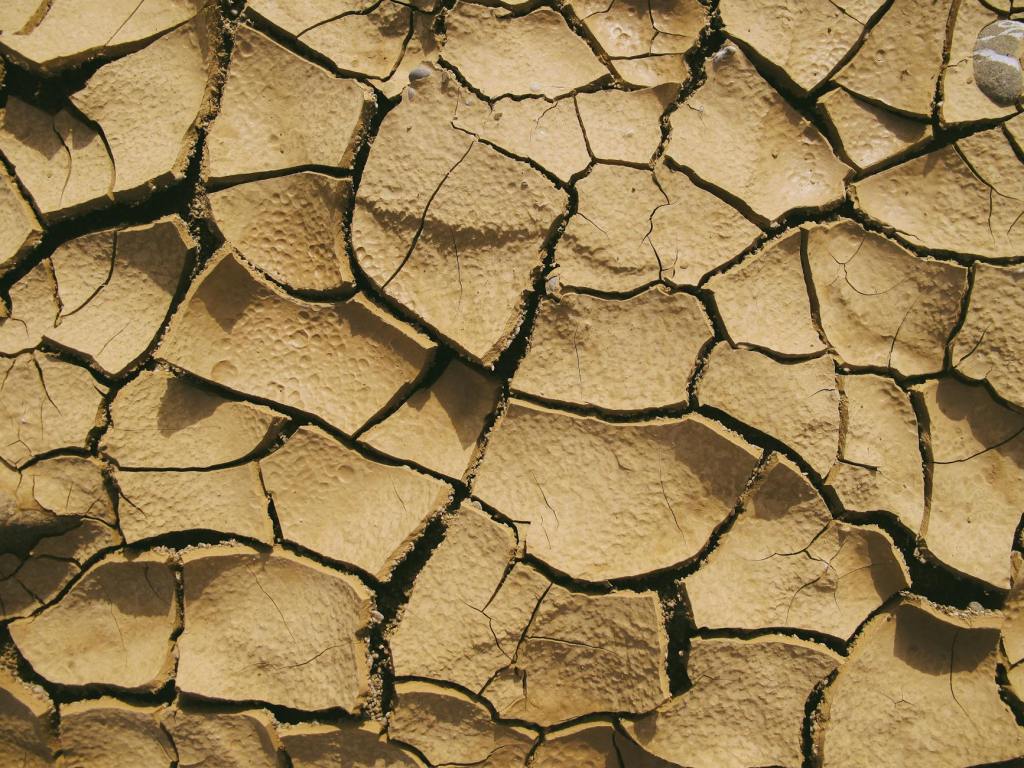
Extreme climate events such as prolonged droughts linked to global climate cycles can increase the likelihood of armed conflict in vulnerable regions, according to a new international study that examined more than seven decades of climate and violence data.
The research, published in the journal Proceedings of the National Academy of Sciences, found that severe drought conditions associated with El Niño and the Indian Ocean Dipole are connected to heightened risks of violence in several parts of the world, particularly in regions already facing economic instability, weak governance, and social tensions.
Scientists involved in the study stressed that climate change alone does not cause wars. Instead, climate shocks can intensify existing vulnerabilities and increase pressure on communities already struggling with poverty, political instability, resource scarcity, and social inequalities.
The study analyzed detailed climate and armed-conflict records from 1950 to 2023, using naturally occurring climate oscillations as a large-scale “natural experiment” to better understand how changing environmental conditions influence conflict risks over time.
Researchers from Dartmouth College and Rice University examined the effects of El Niño and the Indian Ocean Dipole, two major climate systems that influence rainfall, droughts, storms, and temperature patterns across large parts of the globe.
El Niño events occur when sea surface temperatures in the Pacific Ocean become unusually warm, often disrupting weather systems worldwide. The Indian Ocean Dipole similarly affects rainfall patterns across Africa, Asia, and Australia. Scientists say global warming is increasing the intensity and unpredictability of many of these climate extremes.
The study identified three major findings related to El Niño. First, the probability of armed conflict generally increased during El Niño periods compared with La Niña periods. Second, conflict risks did not rise steadily with worsening climate impacts but instead increased sharply once drought conditions crossed certain thresholds. Third, regions already vulnerable to water stress and economic instability, including parts of Central America and southern Africa, showed the strongest connections between drought and violence.
Researchers said prolonged droughts can severely disrupt livelihoods, agriculture, food production, and local economies, particularly in communities heavily dependent on natural resources. Loss of crops, declining water availability, and rising food insecurity can increase migration, deepen poverty, and create conditions that armed groups may exploit for recruitment or territorial control.
The study emphasized that dry conditions place extraordinary stress on societies because access to water remains fundamental to human survival and economic stability. Historical and archaeological evidence has long shown that severe and sustained droughts have contributed to social unrest, displacement, and political instability throughout human history.
Despite the statistical links identified in the study, researchers cautioned against oversimplifying climate change as the direct cause of conflict. They noted that political failures, corruption, inequality, weak institutions, and poor governance remain much stronger predictors of violence than environmental conditions alone.
The researchers warned that framing climate change purely as a national security issue could encourage militarized responses to crises that are fundamentally humanitarian and developmental in nature. Instead, they argued that improving governance, strengthening institutions, investing in social protection, and supporting climate adaptation are more effective ways to reduce conflict risks.
The study also highlighted the importance of climate forecasting and early-warning systems. Scientists said better predictions of droughts and climate shocks could help governments and humanitarian agencies prepare vulnerable regions in advance through targeted assistance, food security measures, and financial support before crises escalate into violence or displacement.
Researchers believe such anticipatory planning could become increasingly important as climate change intensifies extreme weather events worldwide. Rising global temperatures are expected to increase the frequency and severity of droughts, heatwaves, floods, and erratic rainfall patterns, particularly in already climate-sensitive regions.
The findings add to a growing body of research examining the complex relationship between climate change and human conflict. Previous studies have suggested that environmental stress can amplify social tensions, especially in areas with fragile political systems and limited economic opportunities.
However, scientists involved in the research stressed that understanding these connections requires collaboration across multiple disciplines, including climate science, political science, economics, sociology, and humanitarian studies. They argued that conflict cannot be explained by climate alone and must instead be understood through a broader framework of interconnected environmental and social pressures.
The researchers concluded that while climate variability can influence when and where violence may emerge, human decisions, governance systems, and social resilience ultimately determine whether environmental stress results in conflict or cooperation.
As global temperatures continue to rise, the study warns that improving climate adaptation, strengthening institutions, and investing in peacebuilding may become increasingly important to reducing the risks posed by future climate shocks.

 PARYAWARAN
Leave a comment