A recent hantavirus outbreak aboard an Antarctic cruise ship has drawn renewed attention to how climate change and extreme weather events may increase the spread of dangerous rodent-borne diseases across the world.
The outbreak involved the MV Hondius, a cruise vessel that departed from Ushuaia, Argentina, carrying 147 passengers and crew members on a polar expedition. The voyage was cut short after several people became infected with Andes hantavirus, a rare but potentially deadly virus that can cause hantavirus pulmonary syndrome (HPS). At least three deaths were reported during the outbreak.
Health experts say the incident highlights the growing challenge of managing infectious diseases in a warming world where climate-driven environmental changes are altering the habitats and behaviour of wildlife species that carry pathogens.
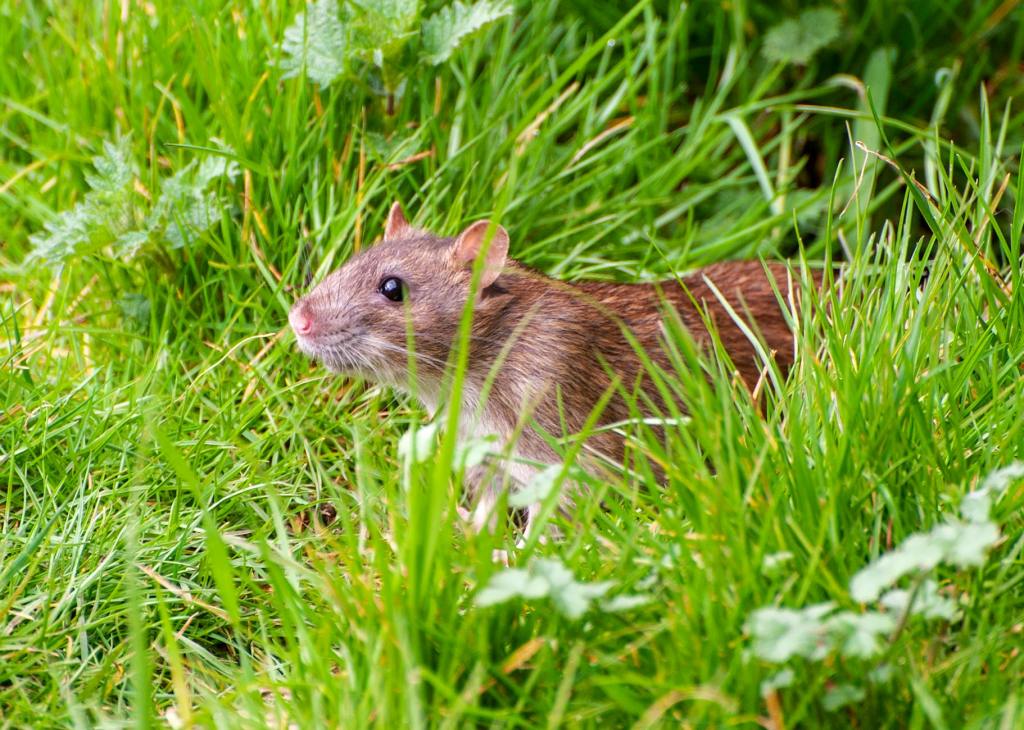
Hantaviruses are an ancient group of viruses primarily carried by rodents such as rats and mice. Humans typically become infected through exposure to rodent urine, droppings, or saliva, often by inhaling dust contaminated with rodent waste. Most hantavirus strains do not spread between humans, but the Andes strain found in South America is considered unique because it is capable of limited human-to-human transmission.
Scientists note that although Andes hantavirus is far less transmissible than viruses such as COVID-19, it remains highly dangerous because of its severe mortality rate and the difficulty of identifying infections during the virus’s incubation period, which can last from one to six weeks.
Researchers and public health experts increasingly believe climate change may be creating conditions that favour hantavirus outbreaks. Changes in rainfall, drought patterns, vegetation growth, and food availability are influencing rodent populations and increasing the likelihood of contact between infected animals and humans.
Experts from the University of the West Indies studying climate and infectious diseases say prolonged droughts often force rodents into populated areas in search of food and shelter, increasing human exposure to contaminated environments.
At the same time, sudden heavy rainfall following drought periods can trigger rapid vegetation growth and increased seed production, creating abundant food supplies that allow rodent populations to expand quickly. Larger rodent populations can raise the chances of viruses spilling over into human communities.
Argentina and several neighbouring South American countries recently experienced years of severe drought between 2021 and 2024, followed by periods of extreme rainfall. Argentina recorded its worst drought in more than six decades in 2023 before heavy rains returned the following year.
During the current hantavirus season, Argentina’s health authorities have reported more than 100 infections since mid-2025, nearly double the number recorded during the same period the previous year. While officials have not confirmed the exact causes behind the increase, scientists believe climate-related environmental changes may be contributing factors.
Investigators suspect that exposure may have occurred during a birdwatching excursion near Ushuaia, where a landfill known to attract rodents is located close to natural habitats frequently visited by tourists.
The outbreak has also raised concerns about global preparedness for emerging infectious diseases at a time when international cooperation on public health issues is becoming increasingly fragmented. Argentina recently completed its withdrawal from the World Health Organization (WHO), joining the United States in distancing itself from the global health body responsible for coordinating responses to international disease outbreaks.
Public health researchers warn that weakening international collaboration could make it harder to monitor, contain, and respond to future outbreaks, especially as climate change increases the likelihood of zoonotic diseases crossing from animals into humans.
Scientists caution, however, that the relationship between climate change and hantavirus transmission is highly complex. Rising temperatures alone do not necessarily increase disease risks. Instead, the impacts depend on how changing weather patterns affect ecosystems, rodent behaviour, land use, and human settlement patterns.
In the United States, hantavirus infections remain relatively rare, with fewer than 1,000 confirmed cases reported since national surveillance began in 1993. However, federal research suggests that the American West may face increasing risks because of dry landscapes, expanding human settlements, and environmental conditions favourable to rodent populations.
Researchers say communities with limited healthcare access and fewer resources for disease prevention may be especially vulnerable as climate extremes intensify.
The outbreak aboard the MV Hondius serves as a reminder that climate change is not only an environmental issue but also a growing public health concern. Experts warn that as global weather patterns become more unpredictable, understanding the links between climate, wildlife, and infectious diseases will become increasingly important for preventing future outbreaks and protecting human health.

 PARYAWARAN
Leave a comment