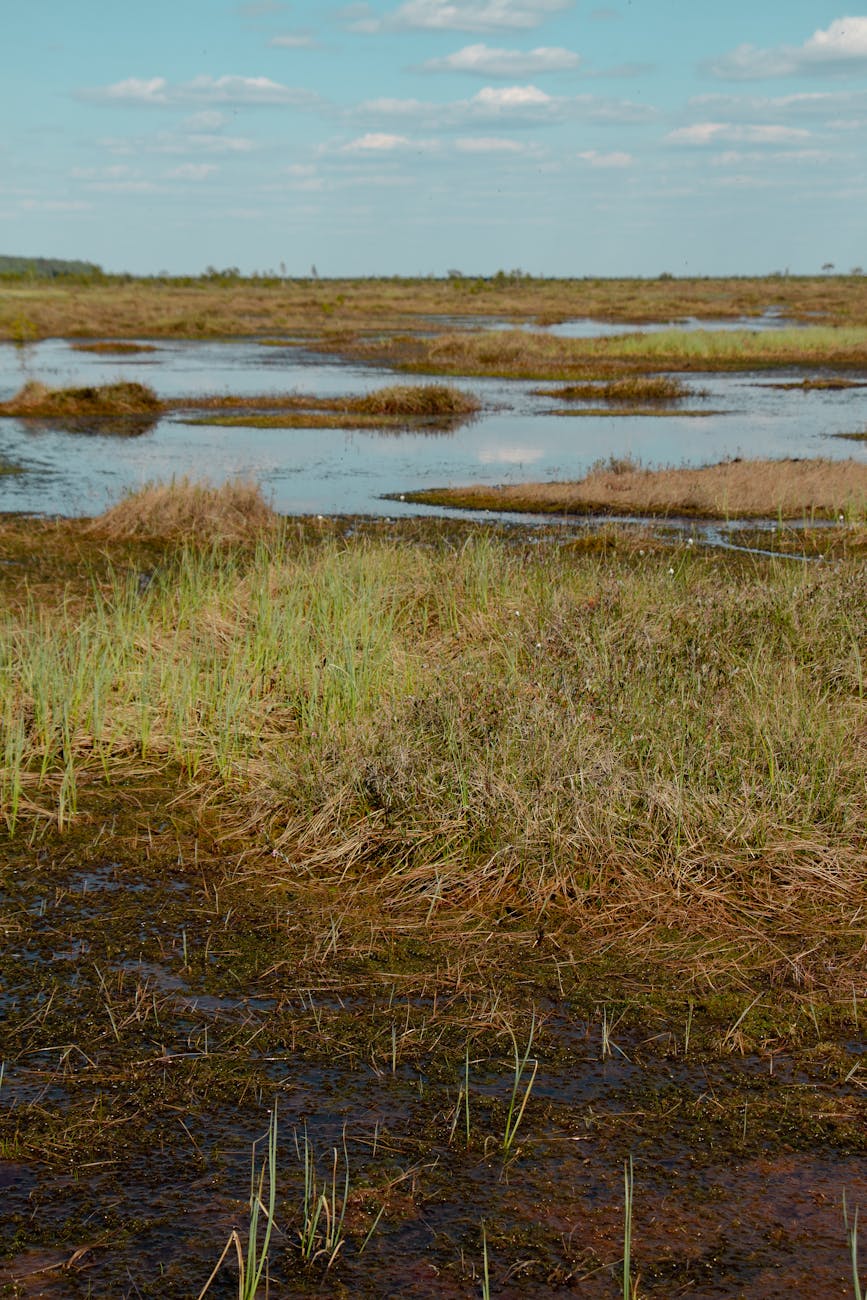
A major milestone has been achieved in the long-running effort to restore the Florida Everglades, as authorities completed a critical hydrological restoration project in the vast wetlands of southwest Florida. The achievement marks a significant step in reviving the natural flow of water across 55,000 acres of the Picayune Strand, a once-drained landscape that had been heavily altered for failed real estate development decades ago.
The restoration is being viewed as one of the most ambitious and successful ecological recovery projects within the larger Everglades restoration campaign, a multi-billion-dollar initiative aimed at repairing one of the world’s most important wetland ecosystems.
Located near Naples in South Florida, Picayune Strand State Forest was once part of a massive subdivision scheme launched during the 1950s. Developers attempted to transform swampy wilderness into a sprawling residential community called Golden Gate Estates. To make the land suitable for development, workers blasted canals through limestone bedrock and constructed hundreds of miles of elevated roads using excavated material. The drainage system disrupted the natural movement of water, dried out wetlands, damaged coastal estuaries, and fragmented wildlife habitat.
While the northern part of the development eventually became a semi-rural residential area, the southern section proved too flood-prone for large-scale settlement. Thousands of lots were sold, but only a small number of homes were ever built. Over time, conservationists identified the area as ecologically critical because it bordered important habitats such as the Florida Panther National Wildlife Refuge and the Fakahatchee Strand Preserve State Park.
Beginning in the 1980s, the state gradually acquired the land through a lengthy process involving legal disputes, funding campaigns, and conservation partnerships. Restoration efforts officially began in 2004, focusing primarily on repairing the area’s damaged hydrology.
The recently completed phase involved plugging four major canals stretching nearly 48 miles and removing extensive road networks that had interrupted natural water movement for decades. The excavated road material was used to help fill the canals, allowing rainwater to once again spread slowly and naturally across the landscape.
The restoration of this “sheet flow” — the broad, shallow movement of water historically characteristic of the Everglades — is considered essential for rebuilding wetland ecosystems. Often referred to as the “River of Grass,” the Everglades once functioned as a vast interconnected system of marshes, wet prairies, forests, and cypress swamps extending across millions of acres of Florida.
Officials involved in the project estimate that hydrological restoration in Picayune Strand is now approaching near-natural conditions. Seasonal flooding patterns have largely returned, helping revive wet prairies, cypress forests, and pine flatwoods that depend on varying water levels throughout the year.
The ecological response has already become visible. Wetland plants have begun reclaiming areas previously dominated by invasive or drought-tolerant vegetation. Native species that had disappeared from parts of the landscape are reappearing, including several wetland wildflowers and aquatic plants.
Wildlife researchers have also reported encouraging signs. Semi-aquatic mammals such as marsh rice rats have returned to wetter habitats, while acoustic monitoring has confirmed the presence of the endangered Florida bonneted bat, one of North America’s rarest bat species. Scientists believe the increase in standing water has boosted insect populations, providing more food for bats and other wildlife.
The restored wetlands are also expected to benefit species such as the Florida panther and the red-cockaded woodpecker. Aquatic biodiversity has expanded significantly as well, with researchers recording increasing numbers of native mollusks, crustaceans, insects, and other freshwater organisms.
However, conservationists caution that full ecological recovery remains far from complete. Invasive species continue to pose major challenges throughout the Everglades. Plants such as Brazilian pepper and cogon grass threaten to overwhelm native vegetation, while invasive fish species have rapidly multiplied in some restored waterways.
Researchers studying fish populations have found that plugged canal areas now contain large numbers of nonnative tilapia and walking catfish alongside native species. Scientists are still examining how to manage invasive populations without disrupting the restored water system.
Another obstacle is the lack of regular fire. Historically, lightning-sparked wildfires frequently swept through pine flatwoods and wet prairies, maintaining open habitats and suppressing invasive plants. Today, limited funding and concerns about nearby communities restrict the use of prescribed burns, slowing ecological recovery in some areas.
Decades of drainage also permanently altered parts of the landscape. Dense willow thickets and invasive cabbage palm forests now occupy areas where cypress forests once dominated. While some native habitats may gradually recover over time, scientists believe certain ecological changes could take generations to reverse.
The Picayune Strand project is one of 68 initiatives included in the Comprehensive Everglades Restoration Plan, authorized by Congress in 2000. The broader plan seeks to restore water flow, improve water quality, reconnect fragmented habitats, and protect remaining natural areas across the Everglades while balancing the needs of urban development and agriculture.
Once covering nearly 7 million acres, the Everglades ecosystem has been reduced by about half due to drainage, development, and farming. Restoration efforts are not aimed at recreating the original wilderness entirely, but at bringing surviving ecosystems as close as possible to their natural condition.
Despite the remaining challenges, the transformation underway at Picayune Strand is increasingly being seen as proof that large-scale wetland restoration can succeed. By reconnecting water, wildlife, and landscapes that had been severed for decades, the project offers renewed hope for the future of the Everglades.

 PARYAWARAN
Leave a comment