As rising temperatures, prolonged drought, and rapid urban growth continue to strain water supplies across the American West, cities once dependent on rivers and reservoirs are increasingly turning to an unconventional solution: recycling wastewater into a reliable new source of water.
From the deserts of Nevada to coastal Southern California, several cities are transforming sewage and wastewater into high-quality reusable water, a strategy experts say could become essential for survival in an era of climate uncertainty.
The push for water recycling comes amid worsening conditions across the Colorado River Basin, one of North America’s most heavily used water systems. The river supports more than 40 million people across seven U.S. states, but decades of overuse, combined with climate change and persistent drought, have sharply reduced its flow.
Scientists and water managers warn that the region is using more water than nature can replenish. In some years, the Colorado River has struggled to even reach the sea, highlighting the growing imbalance between demand and supply.
In response, cities facing severe water stress have begun investing heavily in water reuse technologies that allow treated wastewater to be purified and returned to the system for irrigation, industrial use, groundwater replenishment, or even drinking water.
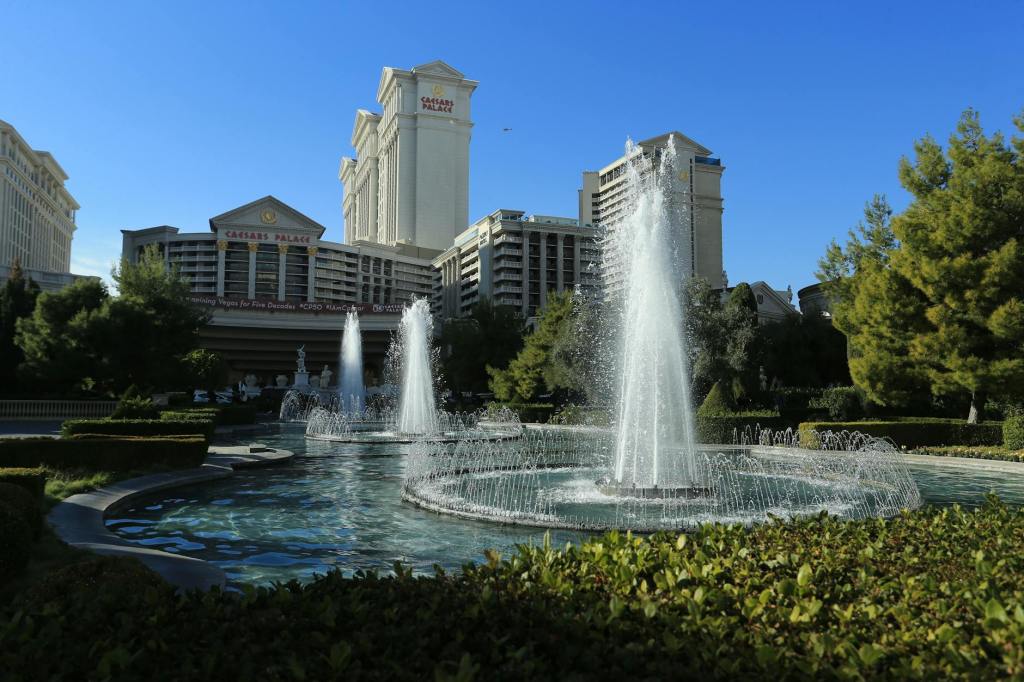
Among the leaders in this field are Las Vegas and Orange County, California — two places with vastly different political and environmental cultures, but a shared understanding that water security has become unavoidable.
Las Vegas, which receives one of the smallest Colorado River allocations among basin states, has had little choice but to maximize every available drop. Water conservation and recycling have become central to the city’s long-term survival strategy.
Orange County, meanwhile, pursued recycling not only because of scarcity, but also to reduce dependence on imported water supplies. Over the years, the county has developed one of the world’s most advanced water purification systems, treating wastewater to near-drinking quality standards before returning it to underground aquifers.
The county’s groundwater replenishment system is now considered a global model for large-scale water recycling. Advanced filtration methods, including reverse osmosis and ultraviolet treatment, remove contaminants and pathogens, producing highly purified water suitable for long-term reuse.
The success of Orange County has influenced other regions across California, particularly Los Angeles, where officials are now pushing forward with a major initiative known as Pure Water Los Angeles. The project aims to recycle water from the city’s massive Hyperion sewage treatment plant into potable-quality water.
However, progress has been slow. Current timelines suggest the system may not be fully operational before 2050, raising concerns among experts who argue that climate pressures require much faster action.
Water recycling advocates emphasize that not all reclaimed water must be treated to drinking standards. Large amounts of freshwater are still used for irrigating golf courses, parks, cemeteries, and landscaping — tasks that could instead rely on lower-grade recycled water.
Many cities are therefore investing in dual water systems, often referred to as “purple pipe” networks, which distribute recycled water separately from drinking water supplies. While building such infrastructure can be costly, officials say it helps reduce pressure on limited freshwater reserves.
Elsewhere in the Southwest, Arizona cities such as Phoenix and Tucson are rapidly expanding water recycling programs. Both cities are increasing investments in direct and indirect potable reuse systems, positioning the state as one of the national leaders in wastewater reuse technology.
Globally, water-scarce regions in the Middle East have also embraced large-scale recycling, while Singapore has emerged as one of the world’s most recognized examples of urban water reuse. Despite being surrounded by seawater, Singapore has aggressively invested in recycling technology to strengthen water independence and reduce vulnerability to imported supplies.
International collaboration has become increasingly common as engineers and water authorities exchange expertise on advanced treatment systems, infrastructure planning, and public outreach.
One of the biggest challenges facing recycled water projects, however, is public perception. The phrase “toilet to tap” has long fueled skepticism and discomfort around drinking purified wastewater.
To overcome this resistance, successful programs have relied heavily on public education campaigns that explain the science behind advanced treatment technologies and demonstrate the safety of recycled water. In places where such outreach has been sustained, public acceptance has improved significantly.
Environmental concerns also remain. Advanced purification methods generate concentrated waste brine containing salts, chemicals, and pollutants removed during treatment. Improper disposal of this brine can create ecological risks, particularly in coastal areas where it may be discharged into oceans.
Researchers and engineers are exploring alternative disposal methods, including deep underground injection into abandoned oil wells and additional treatment systems designed to reduce harmful pollutants before disposal.
Despite the technical and financial challenges, experts increasingly argue that water recycling is no longer optional for drought-prone regions. Climate change is expected to intensify heatwaves, reduce snowpack, and further destabilize traditional water sources across the western United States.
Although recycled water systems require major investment, supporters say the long-term benefits far outweigh the costs. By creating dependable local water supplies, cities can reduce reliance on shrinking rivers and reservoirs while improving resilience against future droughts.
As water scarcity deepens across the American West, the transformation of wastewater into a reusable resource is rapidly shifting from an experimental idea into a cornerstone of urban survival.


 PARYAWARAN
Leave a comment