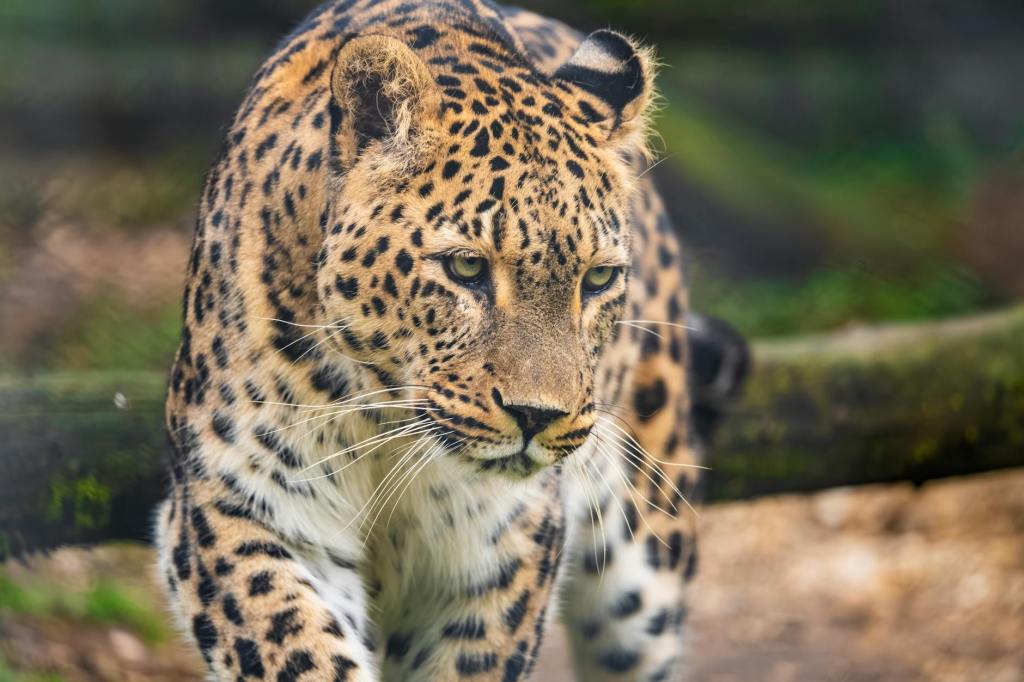
North Korea’s forests, once home to some of East Asia’s most diverse wildlife, are falling silent. A new study published in Biological Conservation warns that the country’s large mammals—from tigers and leopards to bears, otters and deer—are being hunted to near extinction. Driven by economic desperation, a thriving black market, and even state-backed exploitation, North Korea’s ecosystems are undergoing an unprecedented collapse.
The research, based on four years of investigation and testimony from 42 North Korean defectors, provides one of the most comprehensive insights yet into the secretive nation’s vanishing wildlife. It reveals that almost every mammal larger than a hedgehog is now targeted—either killed for food, traded for profit, or captured for use in farming or display. The study portrays a grim reality in which hunting has become both a means of survival and a pillar of the underground economy.
The roots of this crisis stretch back to the period known in North Korea as the “Arduous March,” the devastating famine of the late 1990s. During those years, economic collapse, failed harvests, and the end of Soviet aid left millions starving. As formal markets disintegrated, informal trade networks flourished, and wildlife became a vital source of food and income. The study finds that while the national economy has since partially recovered, the mechanisms established to facilitate illegal hunting and trade have endured.
Among the species most severely affected is the sable, once common across the Korean Peninsula and prized for its dense fur. Today, it is believed to be functionally extinct in the North. Similarly, populations of Amur tigers and leopards, already critically endangered globally, face extreme risks when crossing from neighboring China or Russia into North Korea. Even deer, gorals, and otters—animals once widespread in the country’s forests—are now heavily targeted.
The study suggests that the crisis cannot be explained by individual survival needs alone. It points to evidence that North Korean state institutions have also been complicit in the exploitation of wildlife. Facilities such as the Pyongyang Zoo have reportedly supplied animal parts and products that eventually entered black market networks, including cross-border trade into China. Without participation in international conservation frameworks such as the Convention on International Trade in Endangered Species (CITES), North Korea has few barriers preventing such practices.
Although North Korea introduced wildlife protection laws as early as 1959, enforcement has been largely non-existent. Instead, the state has at times directly engaged in wildlife farming—raising otters, bears, deer and pheasants for their meat, fur, bile, and other products. Bear bile extraction, now widespread in parts of Asia, reportedly originated in North Korea decades ago. The study also finds that wildlife products have been collected by the government as a form of tribute, while others have been trafficked across the Chinese border, their origins concealed by intermediaries.
Regional implications of this exploitation are severe. Populations of rare predators such as the Amur tiger and Amur leopard, which have made fragile recoveries in parts of China, remain threatened by poaching once they cross into North Korean territory. For species with only a few hundred individuals left in the wild, the loss of even a single animal can have devastating consequences.
The study highlights that while international pressure and agreements could help in the long term, the immediate priority should be for North Korea to enforce its own existing conservation laws. The country’s failure to abide by its domestic protections, it argues, represents the single greatest obstacle to halting the ecological decline. It recommends that the North Korean state immediately cease the trade and farming of protected species and begin rebuilding mechanisms for legal oversight and enforcement.
The broader implications of this ecological collapse extend beyond wildlife loss. As forests are stripped of their native animals, local ecosystems are destabilized, reducing biodiversity and altering landscapes that support human livelihoods. The disappearance of key species could further exacerbate food insecurity and environmental degradation in a nation already vulnerable to climate stress and resource scarcity.
North Korea’s isolation has long shielded its environmental crises from global attention. But this study underscores that its ecological decline is not confined by borders. The fate of the peninsula’s remaining wildlife, from tigers and leopards to otters and deer, now hangs in the balance—its survival dependent not only on external concern but on decisive action within one of the world’s most closed-off nations.


 PARYAWARAN
Leave a comment