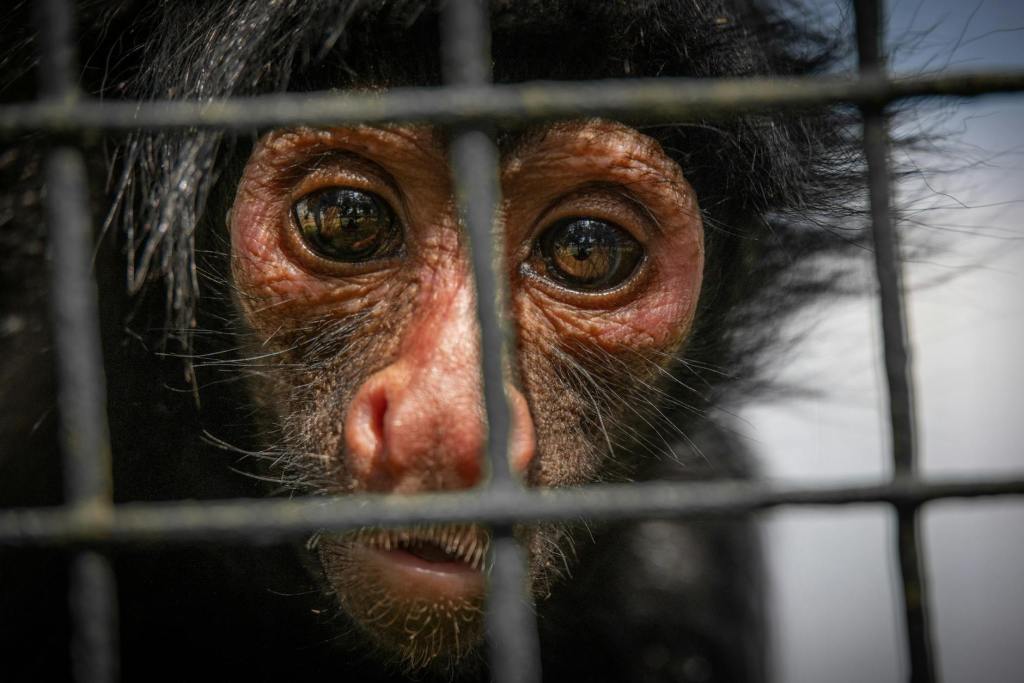
Global wildlife trade is significantly increasing the risk of diseases spilling over from animals to humans, according to a new study published in the journal Science, raising fresh concerns over the potential emergence of future epidemics and pandemics.
The research found that mammal species involved in wildlife trade are around 50 percent more likely to share pathogens with humans than species that are not traded. Scientists warn that expanding legal and illegal wildlife markets are creating growing opportunities for viruses, bacteria, fungi and parasites to jump between species.
The findings add to mounting evidence linking wildlife trade to major disease outbreaks, including HIV, Ebola, mpox and Covid-19.
Researchers analysed 2,079 mammal species involved in global wildlife trade and compared them with non-traded species. The study found that 41 percent of traded mammals shared at least one pathogen with humans, compared with only 6.4 percent of species not involved in trade.
The study highlights how human interactions with wild animals through hunting, transport, captivity, markets and consumption increase the likelihood of zoonotic spillover — the transmission of diseases from animals to people.
According to the researchers, wildlife trade creates repeated opportunities for pathogens to move between species throughout the supply chain, from capture and breeding to storage, sale and final use.
The study identified live-animal markets and illegal wildlife trade as particularly high-risk environments.
Species sold alive were found to be 1.34 times more likely to exchange pathogens with humans than species traded only as animal products such as meat, fur or trophies. Illegal wildlife trade posed an even greater risk, with illegally traded species sharing 1.4 times more pathogens with humans compared with species traded exclusively through legal channels.
Scientists say live markets bring together stressed animals from different habitats and geographic regions in crowded and unsanitary conditions, increasing the likelihood of disease transmission between species and humans.
The research also found that the longer a species remains in global trade, the greater the zoonotic risk becomes.
Using data from the Convention on International Trade in Endangered Species of Wild Fauna and Flora spanning four decades from 1980 to 2019, researchers examined 583 mammal species listed in international trade records.
The analysis showed that, on average, a traded mammal species shares one additional pathogen with humans for every ten years it remains in global trade networks.
Researchers said the findings reveal that pathogen-sharing networks between humans and wildlife are dynamic and intensify over time as interactions increase.
The wildlife trade encompasses a broad range of uses, including the exotic pet industry, traditional medicine, meat consumption, fur production, biomedical research and trophy hunting.
Among the species frequently traded are pangolins, bears, elephants, hedgehogs and fennec foxes. The exotic pet trade also includes animals such as sugar gliders, otters, leopard cats and African pygmy hedgehogs.
Scientists noted that the popularity of exotic pets has grown partly due to exposure on social media platforms, where unusual animals are often portrayed as desirable household companions.
Unlike domesticated animals such as cats, dogs and cattle, exotic pets often originate directly from the wild or from captive breeding operations that maintain close links with wild populations. Researchers warn that this creates greater opportunities for novel pathogens to enter human populations.
The study noted that several major disease outbreaks in recent decades have been associated with wildlife trade and human contact with wild animals.
The emergence of HIV is believed to have originated from primates hunted for bushmeat in Africa, while the 2014 Ebola outbreak in West Africa was also linked to wildlife-human interactions. The 2003 mpox outbreak in North America was associated with imported exotic animals, and scientists continue to investigate wildlife trade connections linked to the Covid-19 pandemic.
Researchers said that despite repeated warnings from past outbreaks, global wildlife trade continues to expand, increasing the potential for future zoonotic diseases to emerge.
The study also examined additional factors influencing disease transmission, including synanthropy — the ability of animals to adapt to human-dominated environments — and the consumption of wild meat. However, the researchers found that these factors were often secondary to the impacts of wildlife trade itself.
Scientists stressed that stronger disease surveillance and tighter wildlife trade regulations are urgently needed to reduce pandemic risks.
The authors called for governments and international agencies to integrate zoonotic risk assessments into wildlife trade policies and enforcement systems. They also recommended strengthening biosurveillance measures to monitor emerging pathogens within wildlife supply chains.
Conservationists and public health experts have increasingly warned that biodiversity loss, habitat destruction and wildlife exploitation are driving closer contact between humans and wild species, creating conditions favourable for disease emergence.
The study concludes that cross-species pathogen transmission is an inherent consequence of the global wildlife trade and warns that continued expansion of the industry could accelerate the emergence of future epidemics and pandemics.
Researchers said preventing future global health crises will require addressing wildlife trade not only as a conservation issue, but also as a critical public health challenge.




 PARYAWARAN
Leave a comment