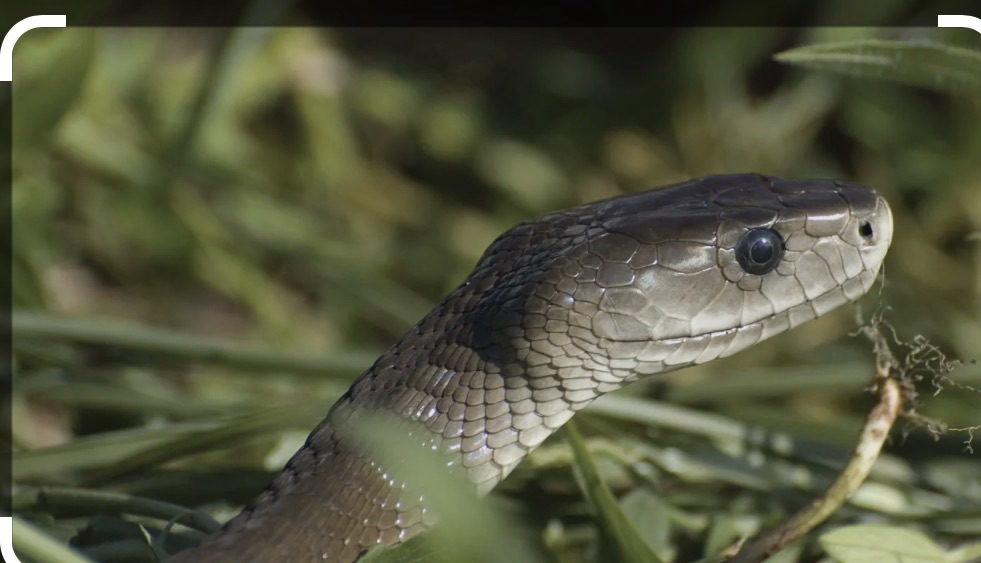
Climate change is reshaping the global distribution of venomous snakes, pushing some deadly species into new regions and creating emerging public health risks for millions of people, according to a major international study.
Researchers have, for the first time, mapped all 508 medically important venomous snake species worldwide and projected how their habitats could shift by 2050 and 2090 under continued high carbon emissions. The findings reveal that changing temperatures and environmental conditions are already altering where dangerous snakes are likely to live, forcing health systems to rethink antivenom supplies and emergency preparedness.
The study highlights how snakebite, long viewed primarily as a rural health and development issue, is increasingly becoming linked to climate change and environmental disruption.
Snakebite remains one of the world’s most neglected tropical health threats. Each year, around 130,000 people die from venomous snakebites, while another 400,000 survivors suffer long-term disabilities including amputations, kidney failure and nerve damage. Most victims live in remote rural areas with limited access to healthcare.
The World Health Organization has set a target to halve snakebite deaths and disabilities by 2030, but health officials have struggled with one major challenge: predicting where dangerous snakes are likely to occur and how those ranges may change over time.
To address that gap, researchers compiled the largest global snake-location dataset ever assembled. The team gathered records from museum collections, scientific studies, field observations, public databases and verified social media reports. More than 30 snake experts reviewed and validated the information before the researchers used it to model habitat suitability for every medically significant venomous snake species.
The models combined species records with climate, vegetation, soil and human population data to identify where snakes currently thrive and where they may move in the future. Climate projections for 2050 and 2090 were then applied under a high-emissions scenario to estimate future habitat shifts.
The resulting global atlas reveals significant geographic changes in snake distribution patterns. Some species are expected to lose large portions of their current habitats, while others may expand into entirely new territories.
Among the species projected to decline is the puff adder, one of Africa’s most dangerous vipers, which may lose substantial habitat as temperatures and environmental conditions shift beyond its preferred range. By contrast, the black-necked spitting cobra, responsible for many medically serious bites across Africa, is projected to expand across larger areas of the continent.
In North America, species such as the cottonmouth and copperhead are expected to move into higher-latitude regions beyond their traditional ranges. In Asia, the highly venomous many-banded krait is projected to shift further north into China. Australia is also expected to see deadly snakes moving away from increasingly arid interiors toward coastal regions.
Researchers observed an overall global trend of venomous snakes shifting toward cooler latitudes — northward in the Northern Hemisphere and southward in Australia — as species track suitable temperatures created by climate change.
The study also developed a “snake-human overlap index,” measuring how many people live within areas suitable for venomous snakes. Regions with both dense human populations and high snake diversity face the greatest potential risk.
Sub-Saharan Africa and South Asia, particularly India, emerged as major hotspots for human-snake overlap, alongside smaller risk zones in Central and South America and parts of the Middle East.
However, the projections are not uniform. Some regions may see reduced snake-human overlap as snake habitats shrink, while others may experience entirely new risks as species move into previously unaffected areas.
The shifting ranges present major challenges for healthcare systems because antivenoms are often species-specific. Treatments designed for one snake or regional snake group may not work against another species. Hospitals and rural clinics therefore rely heavily on knowing which snakes are common in their region.
As snake distributions change, medical supply systems will need to adapt. Areas that rarely encounter certain venomous species today may require different antivenom stocks in future decades. Health authorities warn that delays caused by incorrect or unavailable antivenoms can significantly increase fatalities and permanent injuries.
Researchers say the new mapping system is designed to help governments prepare before these risks intensify. Country-level maps have been made publicly available through a World Health Organization platform so health agencies can better plan antivenom distribution and emergency response systems.
Beyond public health concerns, scientists warn that venomous snakes also play critical ecological roles. Snakes help control rodent populations that damage crops and spread disease, making them essential components of many ecosystems.
Yet more than 30 percent of medically important venomous snake species are already classified as threatened, near-threatened or too poorly studied to assess properly. Climate change is expected to place additional pressure on many species, especially those with restricted habitats and limited ability to migrate.
Researchers say the findings underscore the growing connection between biodiversity loss, climate change and human health. By identifying where venomous snakes are likely to move in coming decades, the study offers governments and healthcare systems an opportunity to prepare for changing risks rather than reacting after crises emerge.
The study was published in the journal PLOS Neglected Tropical Diseases.
 PARYAWARAN
Leave a comment