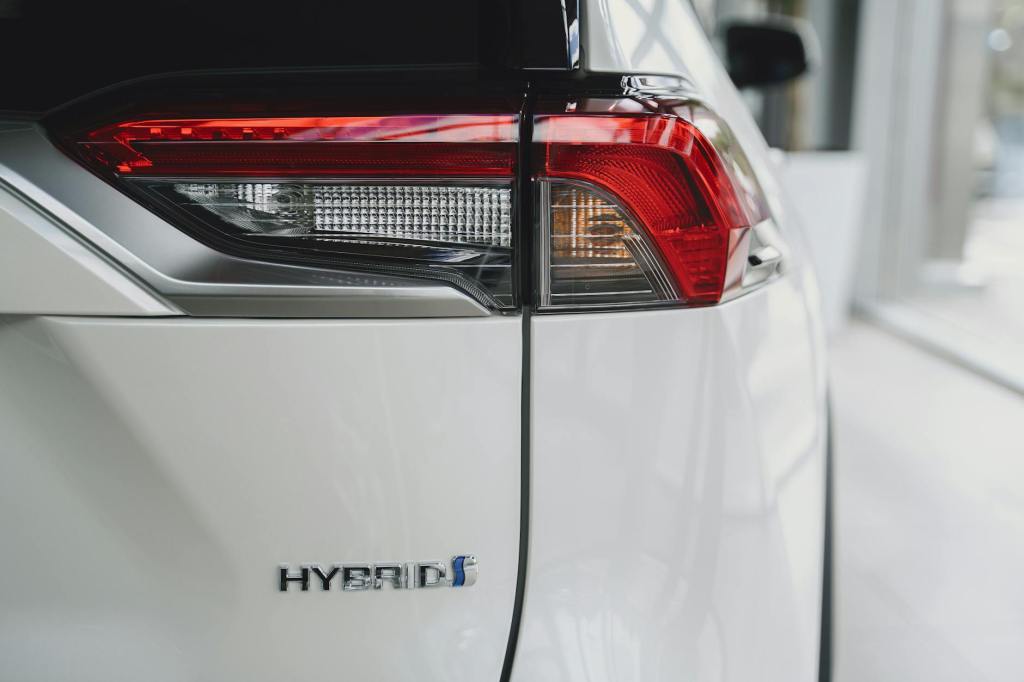
Rising fuel prices around the world are accelerating the shift toward cleaner transportation, but consumers are not responding uniformly. While electric vehicle (EV) sales continue to surge in markets such as Europe and China, American buyers are increasingly turning to hybrid vehicles, viewing them as a more practical and affordable alternative amid economic uncertainty.**
The trend has become more pronounced in recent months as geopolitical tensions in the Middle East, particularly around the Strait of Hormuz, have pushed global oil prices upward. Higher fuel costs would traditionally be expected to boost demand for fully electric vehicles. However, in the United States, the opposite has occurred. New EV sales declined in April compared to the previous month, while hybrid vehicle sales recorded strong growth.
Industry analysts attribute the divergence largely to consumer concerns over affordability. Although electric vehicles offer lower operating costs and reduced fuel expenses over time, their higher purchase prices remain a significant barrier for many households. On average, a new EV still costs several thousand dollars more than a comparable gasoline-powered vehicle, making the long-term savings less attractive to buyers facing immediate budget constraints.
Experts note that many consumers struggle to justify the higher upfront investment required for an EV, especially when the financial benefits may take years to materialize. The calculation becomes even more complicated when factors such as home charging installation costs, insurance premiums, and fluctuating fuel prices are considered.
Hybrids, by contrast, offer a simpler value proposition. Combining a conventional internal combustion engine with a battery-powered electric motor, hybrid vehicles can improve fuel efficiency by 25 to 45 percent without requiring access to charging infrastructure. Drivers benefit from lower fuel consumption while maintaining the convenience and familiarity of traditional vehicles.
Automakers have increasingly embraced hybrid technology as consumer demand grows. Japanese manufacturers, particularly Toyota Motor Corporation and Honda Motor Co., Ltd., have expanded their hybrid lineups significantly. Toyota recently phased out gasoline-only versions of several popular models, including the Toyota Camry and the Toyota RAV4, reflecting confidence in hybrid demand.
Sales data indicates that hybrid vehicles have emerged as one of the fastest-growing segments of the U.S. automotive market. Demand has risen sharply since the beginning of the year, outpacing both gasoline-powered vehicles and EVs. Analysts describe the current period as a potential “hybrid moment,” driven by expanding model availability and growing consumer awareness of fuel savings.
Meanwhile, the global EV market continues to expand. In Europe, strong government incentives, stricter emissions regulations, and widespread charging infrastructure have encouraged consumers to adopt electric vehicles at an accelerating pace. China remains the world’s largest EV market, supported by domestic manufacturing strength, competitive pricing, and robust export growth.
The contrasting trends highlight how regional factors influence consumer behavior. In many European countries, fuel prices are substantially higher than in the United States, increasing the economic appeal of electric vehicles. Additionally, urban environments and shorter driving distances often make EV ownership more practical. China has also invested heavily in charging networks and battery production, helping lower costs for consumers.
In the United States, however, charging infrastructure remains unevenly distributed, particularly in rural and suburban regions where long-distance driving is common. Concerns about driving range and charging availability continue to shape purchasing decisions. As a result, many buyers view hybrids as a transitional technology that offers improved efficiency without requiring lifestyle changes.
The used vehicle market provides one encouraging sign for EV adoption. Prices of used electric vehicles have fallen significantly in recent years, narrowing the gap with conventional vehicles. Increased availability of off-lease EVs has created a larger inventory of affordable options, attracting budget-conscious buyers who may have previously been priced out of the market.
Looking ahead, analysts expect fuel prices to remain volatile as geopolitical tensions and global energy demand continue to influence oil markets. While higher gasoline costs may gradually strengthen the case for electric vehicles, experts believe that most American consumers are likely to favor incremental change over a complete shift away from internal combustion engines.
For now, hybrids appear to occupy a sweet spot between affordability, convenience, and fuel efficiency. As automakers expand their offerings and consumers seek practical ways to reduce fuel expenses, hybrid vehicles are emerging as the preferred choice for many drivers—bridging the gap between traditional gasoline cars and an all-electric future.




 PARYAWARAN
Leave a comment