While armed conflicts often push environmental conservation to the margins, Ukraine is demonstrating that ecological restoration can continue even in the shadow of war. In the country’s southwestern steppes, a large-scale rewilding initiative is restoring degraded grasslands, reducing wildfire risks, enhancing biodiversity, and laying the foundation for a sustainable post-war economy.
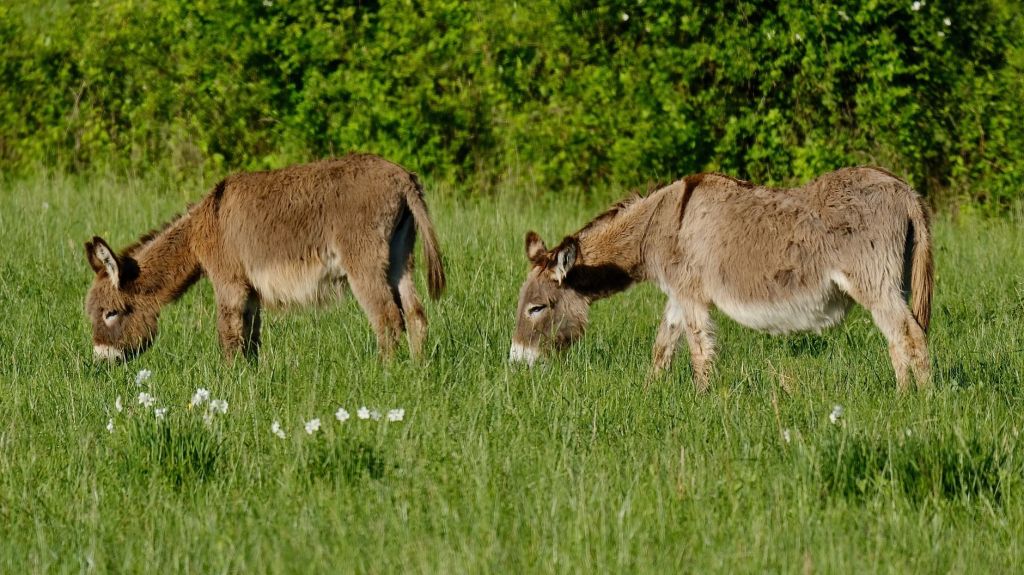
In the semi-arid Pontic-Caspian steppe of Odesa Oblast, conservationists are restoring nearly 600 hectares of former agricultural land by reintroducing native herbivores that once shaped these ecosystems. The project, launched in 2017, has already returned Konik horses, Hucul horses, red deer, fallow deer, water buffalo and kulan—wild donkeys that disappeared from the region centuries ago.
The return of these large grazers is proving far more significant than a wildlife conservation exercise. By feeding on dense, dry vegetation, the animals naturally reduce the build-up of combustible plant material that fuels wildfires. Their constant movement also creates breaks in vegetation, while their dung enriches the soil with organic matter, improving water retention and soil structure. Together, these ecological processes lower the intensity and spread of fires, an increasingly important benefit as climate change and military activities have made wildfires a frequent occurrence across the region.
Before extensive cultivation transformed the landscape during the nineteenth and twentieth centuries, the Tarutino Steppe was one of Europe’s richest temperate grassland ecosystems. Fertile black-earth soils supported diverse native grasses and flowering plants alongside abundant wildlife. Decades of intensive cereal farming, vineyards and livestock grazing altered this natural balance. Following the collapse of the Soviet Union, much of the farmland was abandoned, leaving degraded grasslands vulnerable to invasive vegetation, erosion and recurring fires.
The ongoing war has further complicated the situation. Explosive remnants of war and landmines have made large sections of the landscape inaccessible, while missile strikes and military operations continue to threaten both people and ecosystems. Yet the rewilding programme has persisted despite these challenges, adapting its operations wherever access remains possible.
Ecological monitoring indicates that the restored grazing systems are improving habitat quality across the steppe. Native rodents such as marmots and European hamsters are gradually returning, while healthier soils are storing greater amounts of carbon. Scientists associated with the project report that grasslands occupied by diverse large herbivores can store significantly more carbon than comparable ungrazed areas, highlighting the role of rewilding in climate mitigation.
The initiative extends beyond grasslands into the nearby Danube Delta, one of Europe’s most important wetland ecosystems. Conservation efforts there are focused on restoring natural hydrology by removing obsolete Soviet-era water control structures and reconnecting wetlands with rivers. The delta, a UNESCO World Heritage Site and Biosphere Reserve, supports thousands of plant and animal species and serves as a crucial breeding ground for fish and migratory birds.
Satellite monitoring suggests that the reintroduction of water buffalo and Konik horses across parts of the delta is already reducing dense vegetation while increasing plant diversity. Researchers have also observed cascading ecological benefits, including healthier fish populations and more diverse bird communities, although wartime restrictions have limited field surveys in some areas.
Beyond ecological restoration, the project is designed to support rural livelihoods once peace returns. Many communities in southern Ukraine depended on tourism before the Russian invasion, but the sector has suffered massive economic losses since 2022. Heritage villages, wineries and nature tourism enterprises have experienced prolonged closures, depriving residents of valuable income.
To prepare for future recovery, the rewilding programme is investing in tourism infrastructure, including wildlife observation towers, guided nature trails and visitor facilities within a dedicated eco-park. The objective is to create a nature-based economy capable of generating employment through wildlife tourism, conservation services and sustainable local businesses once security conditions improve.
The programme also recognises the social dimensions of ecological recovery. Nature-based initiatives are being used to support the wellbeing of war veterans and their families through outdoor activities in restored landscapes. Educational camps for children from Ukraine and neighbouring Romania have introduced young participants to birdwatching, ecological restoration and environmental stewardship, helping foster a stronger connection between communities and nature.
Despite ongoing conflict, nature continues to recover. A particularly symbolic milestone came with the birth of a kulan foal in the wild—the first recorded in the region in approximately two centuries. The successful breeding of this once-lost species demonstrates that restored ecosystems can regain their ecological functions even under extraordinary circumstances.
Across the border in Romania, similar rewilding efforts provide an encouraging model for Ukraine’s future. Reintroduced European bison have become central to both ecosystem restoration and local economic development. The animals help maintain open grasslands, disperse seeds, recycle nutrients and enhance carbon storage while supporting tourism and community enterprises.
The Romanian programme has actively involved local residents in wildlife management, guiding services, hospitality and conservation activities. Training programmes have helped establish new restaurants, guesthouses and wildlife tourism businesses, while conflict-management systems, including ranger patrols and animal-reporting hotlines, have strengthened coexistence between people and wildlife.
The bison population has grown steadily through successful breeding in the wild, illustrating how carefully planned rewilding can restore ecological processes while generating long-term economic opportunities for rural communities.
For Ukraine, the experience offers a practical roadmap for post-war recovery. Rather than viewing conservation as a luxury reserved for peaceful times, the country’s rewilding initiatives demonstrate that restoring ecosystems can simultaneously reduce climate risks, improve biodiversity, support mental wellbeing and create future livelihoods.
Although war continues to limit access to many restoration sites, the landscapes themselves are already beginning to heal. The return of native wildlife, recovering grasslands and the birth of new generations of wild animals offer a powerful reminder that even amid destruction, nature retains an extraordinary capacity for renewal. As Ukraine looks beyond conflict, these restored ecosystems may become not only symbols of resilience but also the foundation of a greener and more sustainable future.
 PARYAWARAN
Leave a comment