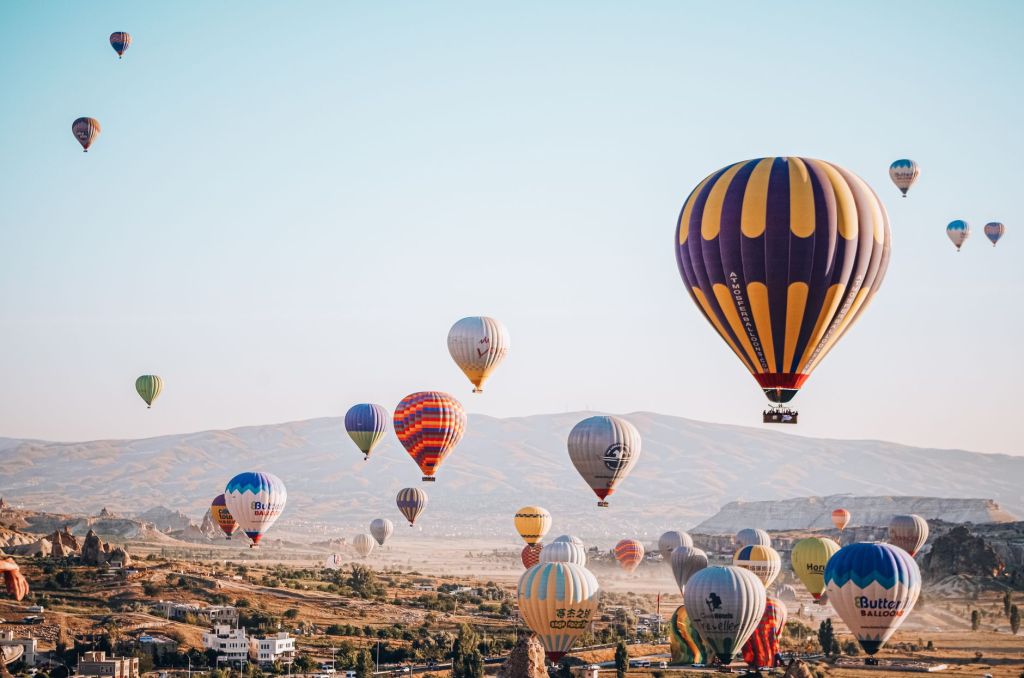
As graduation ceremonies, memorial events and summer celebrations continue across North Carolina, a growing environmental movement is urging communities to reconsider a long-standing tradition: releasing balloons into the sky.
While balloon releases are often seen as symbolic acts of celebration, remembrance or solidarity, environmental advocates argue that the practice leaves behind a lasting environmental footprint. Concerns over wildlife harm, plastic pollution and infrastructure damage are driving calls for public awareness and stronger regulation.
At the centre of the movement is a statewide campaign focused on reducing balloon litter through education, citizen participation and policy reform.
Supporters of the campaign argue that balloon releases may appear temporary and harmless but can result in persistent environmental consequences. Once released, balloons can travel long distances before eventually descending back to land or water, where they become another form of waste in natural ecosystems.
Environmental campaigners stress that many people do not realise what happens after balloons disappear from view. Deflated balloons often enter rivers and streams and may eventually reach coastal waters and oceans.
The issue has drawn increasing attention in North Carolina, particularly in coastal communities where balloon debris has repeatedly appeared along beaches and sensitive habitats.
Several local governments have already introduced restrictions aimed at limiting balloon releases. Counties and municipalities along the state’s coast have adopted measures in response to recurring pollution concerns and growing awareness of impacts on marine ecosystems.
At the state level, lawmakers introduced Senate Bill 20, legislation designed to prohibit certain large-scale balloon releases and impose civil penalties for violations. However, the bill remains stalled in committee, leaving intentional balloon releases legal across most of the state.
Advocates supporting the legislation say the goal is not to punish celebratory behaviour but to encourage more environmentally responsible alternatives.
Campaign organisers have emphasised that public education remains central to the effort. Rather than portraying participants as intentionally harmful, supporters argue that balloon releases became culturally accepted over time without widespread understanding of their environmental consequences.
Beyond visible litter, environmental groups point to the materials used in balloons as a major concern.
Latex balloons are commonly marketed as biodegradable, but researchers and environmental organisations note that decomposition can take months under natural conditions. During that time, balloons remain capable of harming wildlife. Metallic or foil balloons present an even greater challenge because they do not biodegrade and instead fragment into smaller plastic particles.
Wildlife interactions represent one of the most serious concerns linked to balloon pollution.
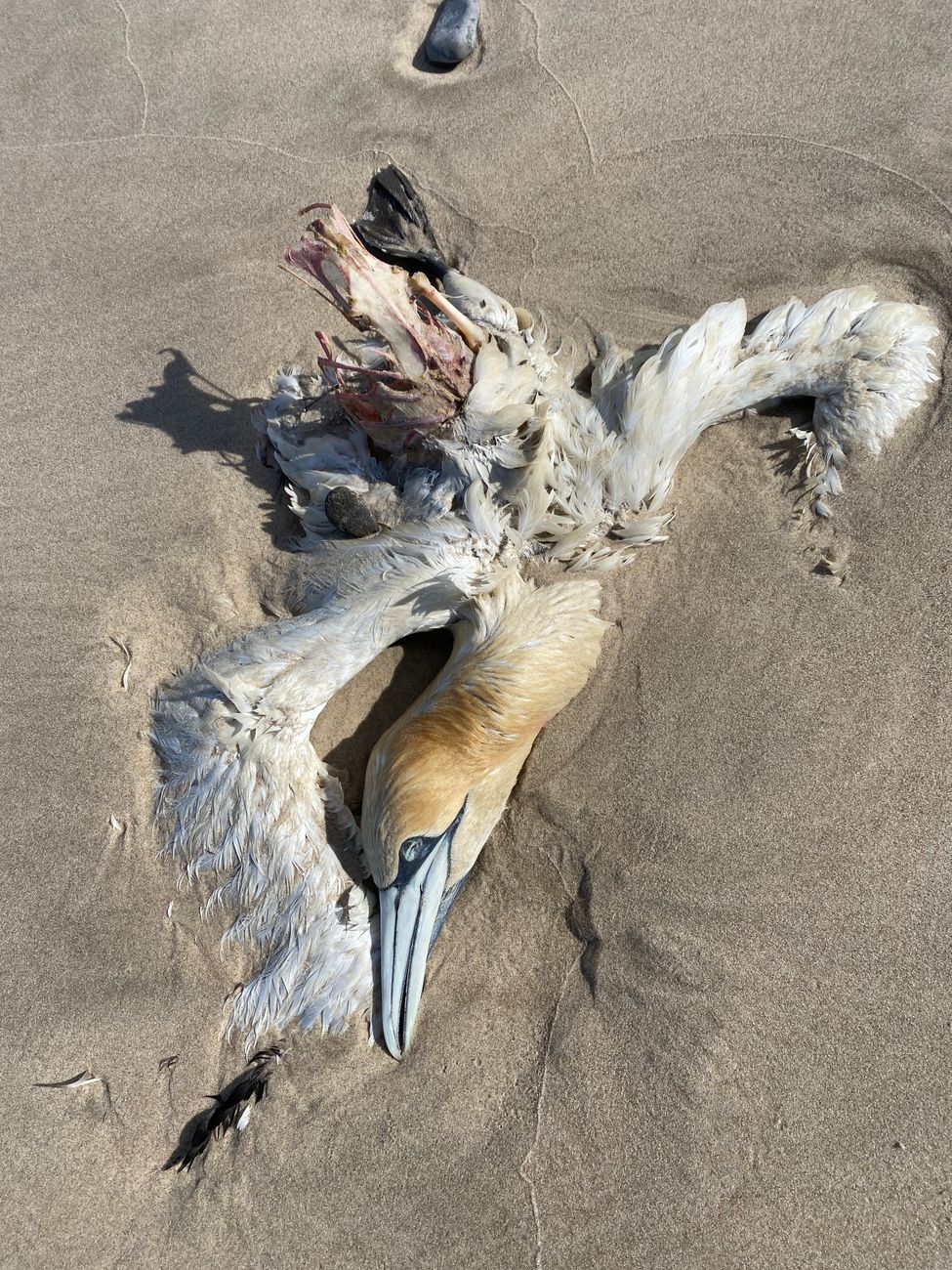
Marine animals, including sea turtles, can mistake balloon fragments floating in water for prey such as jellyfish. Birds and terrestrial animals may ingest balloon pieces or become entangled in attached ribbons and strings. These incidents can lead to digestive blockages, injury or death.
Conservation groups warn that even occasional releases can accumulate into a larger pollution problem when repeated across communities and seasons.
Environmental advocates also highlight another lesser-known impact: disruptions to electricity infrastructure.
Metallic balloons that drift into overhead power lines can trigger electrical faults and outages. Utilities in multiple regions have documented incidents in which contact between Mylar balloons and electrical equipment interrupted power supply or created fire risks.
Such incidents tend to increase during holidays, graduation periods and public celebrations when balloon use is more common.
To better understand the scale of balloon pollution, campaign organisers launched a citizen science initiative through an online platform called Clear Skies and Seas.
The project allows residents to document balloon litter by uploading photographs and recording locations where debris is found. The information is intended to support environmental monitoring while helping researchers identify pollution hotspots across North Carolina.
Organisers say the initiative is designed to encourage broader public participation in environmental stewardship. Anyone can contribute regardless of scientific training or background.
The campaign also promotes practical alternatives to balloon releases.
Suggested options include blowing bubbles, planting trees or flowers, using reusable decorations, creating paper-based displays or organising community activities that leave no long-term environmental impact.
Supporters point out that these alternatives preserve the spirit of celebration while avoiding the unintended consequences associated with releasing balloons.
Across the United States, nearly a dozen states have introduced restrictions or regulations targeting intentional balloon releases. Advocates hope North Carolina will eventually join those efforts.
As graduation season and summer festivities continue, campaigners say their message remains simple: celebrations can remain meaningful without creating pollution that lasts long after the moment has passed.
The movement reflects a broader shift in public attitudes toward single-use materials and highlights how everyday traditions are increasingly being re-evaluated through an environmental lens.
 PARYAWARAN
Leave a comment