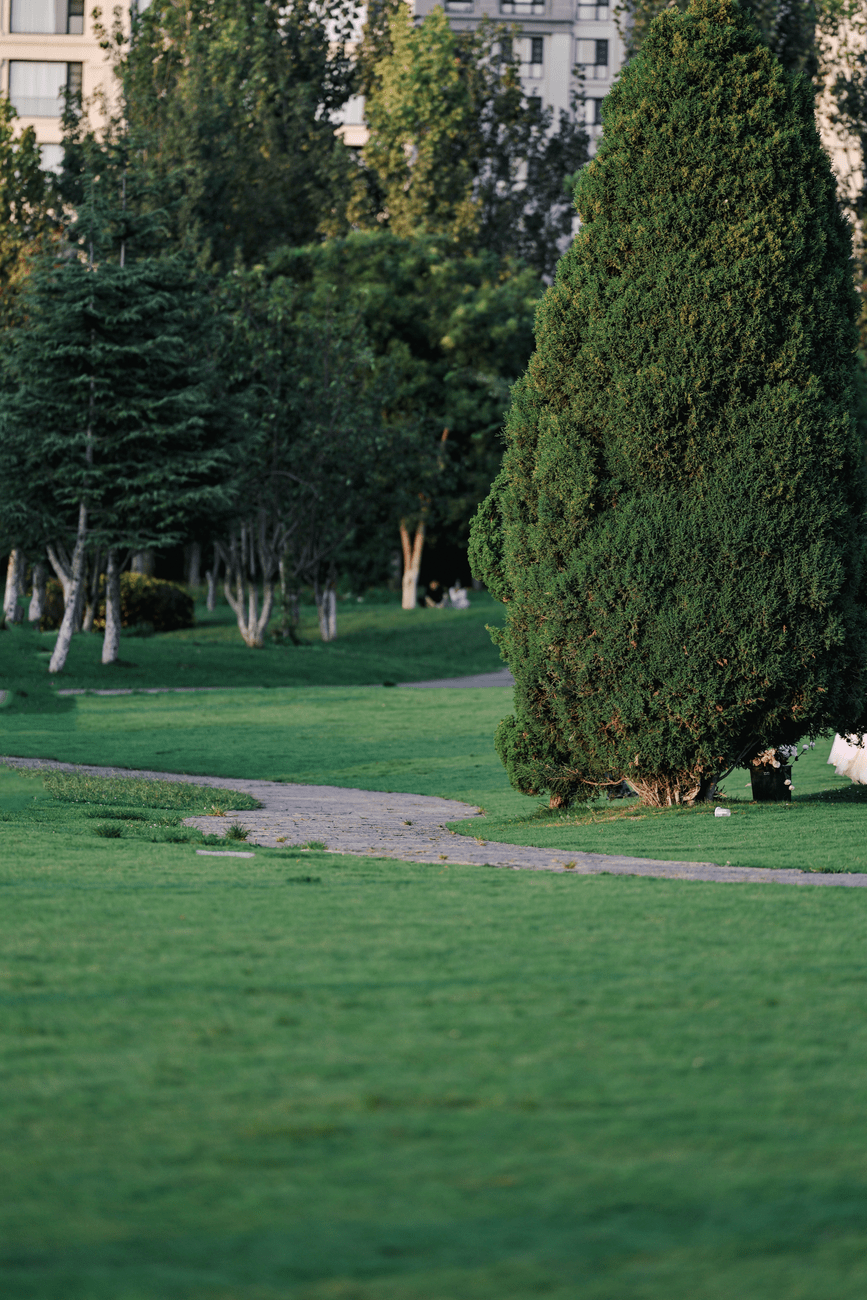
Public parks have long been valued as places for recreation and relaxation, but a new study suggests their contribution extends far beyond leisure. According to fresh analysis, every dollar invested in parks and recreation generates nearly three dollars in annual local economic benefits, making green spaces one of the most cost-effective public investments available to cities.
The findings come at a time when communities across the United States face growing challenges related to housing, climate change, public health, and social isolation. Despite political divisions on many issues, public support for parks remains remarkably strong. Recent polling found that an overwhelming majority of Americans visited a park within the last year and view parks as essential public infrastructure.
The study argues that parks should not be seen merely as open land but as assets that directly improve quality of life while strengthening local economies.
One of the strongest economic advantages comes through public health. The United States spends trillions of dollars annually on health care, with physical inactivity contributing significantly to rising costs associated with chronic illnesses such as cardiovascular disease and related conditions.
Parks provide free and accessible places for walking, running, sports, and recreation, reducing barriers to physical activity that often exist with paid facilities. Increased use of parks has been linked to lower health expenditures and improved long-term well-being. Researchers estimate that regular physical activity supported by public green spaces can translate into substantial healthcare savings per individual each year.
Beyond physical health, parks also play an increasingly important role in supporting mental well-being. Scientific research continues to demonstrate that exposure to green environments reduces stress, improves mood, and contributes to psychological recovery. Access to trees, gardens, and natural landscapes offers residents an opportunity to disconnect from urban pressures and spend time outdoors.
These benefits are particularly important in an era when loneliness and social isolation are increasingly recognized as public health concerns. Parks function as one of the few remaining public spaces where people can gather without the expectation of spending money. Community activities such as outdoor concerts, cultural programs, family gatherings, and casual interactions help strengthen social ties and create inclusive environments.
Older adults, children, and lower-income residents especially benefit from these shared spaces because they offer recreation and social engagement at little or no cost.
The study also highlights how parks contribute directly to local business growth. Visitors who spend time in parks often support nearby restaurants, cafés, local shops, and neighborhood businesses. Larger urban parks and recreational destinations additionally attract tourism, generating spending across hospitality and service sectors.
Large-scale green infrastructure projects, including recreational trails and connected park systems, are increasingly being viewed as economic development tools. Such projects encourage outdoor recreation while bringing sustained financial activity to surrounding regions.
Property markets also reflect the value of green space. Homes located near parks frequently command higher property values because people are willing to pay more for access to attractive and healthy environments. Increased property values can strengthen municipal tax revenues, creating opportunities for reinvestment into public services and community infrastructure.
However, researchers caution that the benefits of parks must remain accessible to all residents. Without equitable planning, rising property values can contribute to exclusion and limit access for lower-income communities.
Urban planners are increasingly exploring ways to combine affordable housing and green infrastructure. Even in dense cities, smaller pocket parks, community gardens, and integrated green spaces can create environmental and social benefits while maintaining housing availability.
Climate adaptation represents another major advantage of urban parks.
As climate change intensifies rainfall patterns and increases extreme weather events, traditional urban drainage systems are becoming less capable of handling large volumes of stormwater. Parks absorb rainwater naturally, reducing pressure on sewer systems and helping limit urban flooding.
Vegetation and open green areas also lower surface temperatures, helping cities manage worsening urban heat conditions. These cooling effects can improve comfort, reduce energy demand, and protect vulnerable populations during periods of extreme heat.
The study concludes that parks represent a rare public investment capable of addressing multiple challenges simultaneously. By improving public health, strengthening local economies, enhancing social connection, increasing climate resilience, and supporting community well-being, parks are emerging as one of the most practical and impactful solutions available to modern cities.
As governments search for strategies that deliver broad and lasting returns, the evidence increasingly suggests that investing in green public spaces may be one of the smartest decisions communities can make.


 PARYAWARAN
Leave a comment