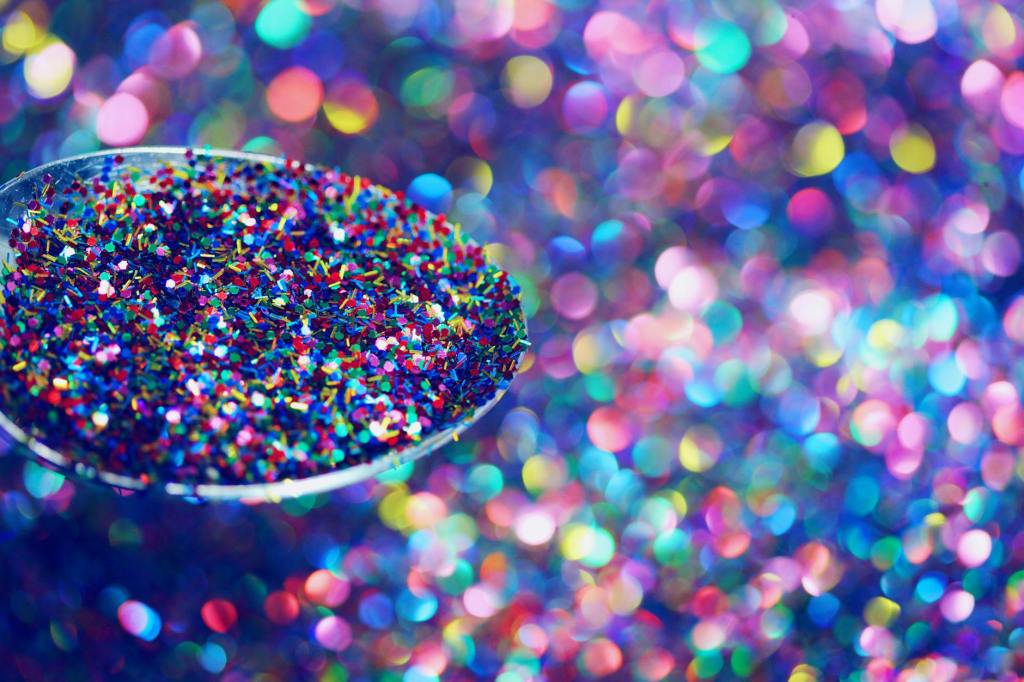
Airborne microplastics – long regarded mainly as an environmental pollutant – may also be contributing to global warming in ways scientists had previously underestimated, according to a new study published in the journal Nature Climate Change.
The research, led by Hongbo Fu of Fudan University, found that colored and weathered microplastic particles suspended in the atmosphere absorb far more sunlight than earlier estimates suggested. Scientists say the discovery could reshape how climate models account for airborne pollution and add a new climate dimension to the global plastic crisis.
Microplastics are tiny fragments of plastic, generally smaller than five millimeters, that originate from the breakdown of larger plastic waste, synthetic textiles, tires, paints, and industrial materials. While they are commonly associated with polluted rivers, oceans, and beaches, researchers have increasingly discovered them in the atmosphere, carried across continents by wind currents.
Scientists have detected airborne plastic particles in remote mountain ranges, Arctic snow, glaciers, and even over the open ocean, revealing that no corner of the planet remains untouched by plastic contamination.
Until now, most climate studies assumed airborne plastics were transparent and chemically clean, similar to clear plastic beads. Under those assumptions, the particles appeared to have little effect on Earth’s energy balance.
However, the new study suggests that assumption was deeply flawed.
Fu and his research team measured how real-world plastic particles interact with sunlight in laboratory conditions before feeding the data into global atmospheric models. Unlike clear laboratory plastics, most plastics in everyday use are dyed, pigmented, printed, or chemically weathered by sunlight and pollution.
The study found that these colored airborne plastics absorb sunlight around 75 times more strongly than transparent particles.
That difference significantly changes their climate impact.
“When these particles absorb sunlight, they warm the surrounding air,” the researchers explained. “This makes them behave more like other climate-warming aerosols already recognized in atmospheric science.”
The warming effect is comparable to the role played by black carbon – soot particles released from fossil fuel combustion, biomass burning, and industrial activity – which are among the most potent short-lived climate pollutants.
According to the study, airborne microplastics may generate warming equivalent to roughly 16 percent of the warming effect caused by black carbon globally.
Although that figure remains modest compared with greenhouse gases such as carbon dioxide, researchers say it is substantial enough to demand scientific attention.
The regional effects could be even more pronounced.
The study identified the North Pacific Subtropical Gyre – home to the Great Pacific Garbage Patch – as a hotspot for airborne plastic warming. In this region, the warming effect of microplastics was estimated to be nearly 4.7 times greater than that of black carbon.
Researchers believe two factors are responsible for this unusually strong signal. Ocean waves and sea spray continually launch plastic fragments from floating garbage into the atmosphere, while relatively cleaner skies over the Pacific mean there is less competing soot pollution.
Scientists say this discovery highlights how plastic pollution can influence climate systems far from its original source.
The study also examined how aging affects airborne plastics. Exposure to sunlight and weathering can alter the optical properties of plastic particles over time.
White plastic fragments tend to yellow as they age, increasing their ability to absorb sunlight. Conversely, some colored plastics, especially red pigments, gradually fade and reflect more light.
Overall, the opposing effects appear to balance each other out, meaning airborne plastics likely maintain their warming influence throughout the time they remain suspended in the atmosphere.
Despite the findings, major uncertainties remain.
Researchers acknowledge that scientists still lack accurate measurements of how much airborne plastic exists globally. Current observations come from a limited number of cities, marine locations, and remote monitoring stations, forcing climate models to rely heavily on estimates.
Co-author Greg Carmichael of the University of Iowa said the findings should encourage further research into atmospheric plastics.
“They are important enough to be taken seriously and to further quantify their role,” Carmichael said, noting that global observations remain sparse.
The findings could have important implications for future climate policy and pollution management.
Climate scientists may now need to include airborne plastics alongside soot, dust, and sulfate aerosols in climate simulations. At the same time, policymakers seeking to curb warming could gain an additional argument for reducing plastic production and waste.
Environmental groups have long warned about the ecological and health consequences of plastic pollution, including threats to marine life, food chains, and human health. The new research suggests plastics may also contribute directly to atmospheric warming.
Researchers say reducing plastic waste – particularly colored and heavily pigmented plastics – may help limit another overlooked source of climate pollution.
As scientists continue to uncover the hidden impacts of microplastics, the study underscores a growing realization: plastic pollution is no longer just an environmental issue on land and sea, but also an emerging factor in Earth’s changing climate system.

 PARYAWARAN
Leave a comment