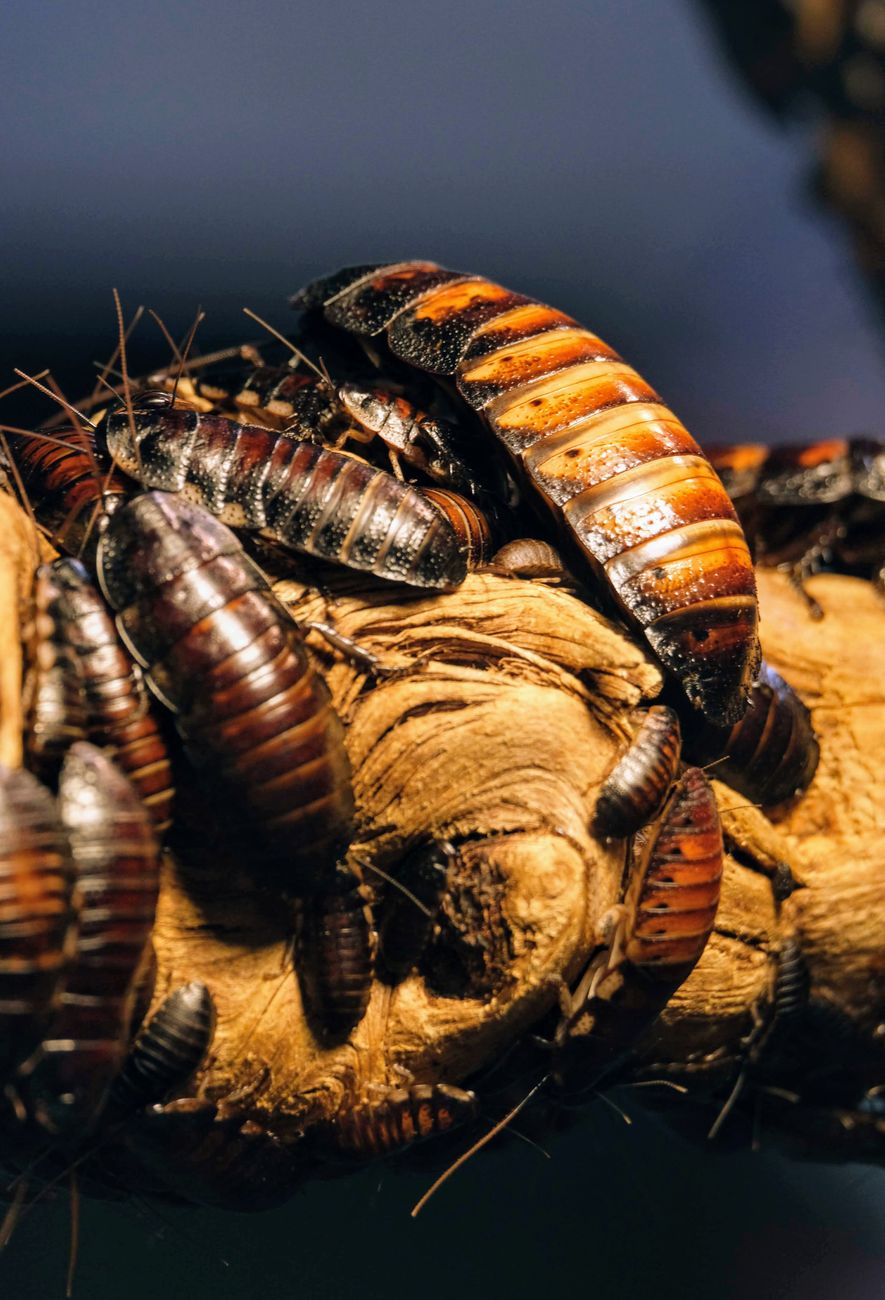
The seizure of more than 100,000 illegally bred exotic cockroaches in Australia has triggered wider concerns over biosecurity, wildlife trafficking, and emerging biological risks. Authorities reportedly confiscated not only the insects but also more than 3,000 breeding colonies, revealing the scale of an underground trade linked to exotic pet collectors and animal feed markets.
While the case may appear unusual at first glance, experts say it reflects a much larger issue involving the movement of non-native species across borders and the growing vulnerabilities within environmental and biological security systems.
The confiscated insects included species commonly known for their unusual appearance and commercial value in exotic breeding markets. Such species are often sought after by collectors and reptile owners who use them as feed due to their nutritional content and ease of breeding.
Although these cockroach species are not considered dangerous household pests and are generally regarded as harmless under controlled conditions, concerns emerge when breeding and distribution occur outside legal and biosecurity frameworks.
The introduction of non-native organisms into unfamiliar environments can lead to unintended ecological consequences. Escaped or deliberately released species may establish populations in the wild, compete with native species for food and habitat, alter ecosystem balance, and potentially introduce pathogens, parasites, or microorganisms into new ecosystems.
This incident comes at a time when global awareness of biological threats has significantly increased. Recent decades have witnessed repeated outbreaks of infectious diseases originating through animal-to-human transmission, reinforcing the need for stronger systems to monitor interactions between wildlife, trade, and public health.
The experience of recent global health emergencies demonstrated how biological events can rapidly transcend borders and create widespread social and economic disruption. Although most disease outbreaks emerge naturally, experts increasingly emphasize the importance of monitoring pathways that enable movement of live organisms outside regulated channels.
Illegal wildlife trade remains one of those pathways.
Many countries continue to face challenges related to trafficking of live animals, exotic species, and wildlife products. Such activities not only threaten biodiversity but also create ecological, agricultural, and public health risks. Smuggling networks often exploit regulatory gaps, expanding both domestic and transnational markets for rare or unusual species.
In countries with rich biodiversity, wildlife crime frequently involves poaching and trafficking of protected species, while demand for exotic pets and animal-derived products continues to create new illegal supply chains. Reports in recent years have also highlighted instances involving reptiles, rare mammals, and exotic animals being moved across borders to satisfy niche consumer markets.
The Australian cockroach seizure demonstrates that biosecurity is broader than disease control alone. It includes protecting agriculture, ecosystems, and public health from unintended biological introductions.
The issue also intersects with rapid advances in biotechnology. Scientific developments in genetics, synthetic biology, artificial intelligence, and gene editing are creating new opportunities in medicine, agriculture, and environmental management. At the same time, these technologies raise questions around biosafety, biosecurity, ethics, and oversight.
Modern biological tools now allow increasingly precise modification of plants and animals to improve resilience, productivity, and disease resistance. While such innovations offer enormous benefits, experts warn that biological capabilities must be accompanied by robust governance systems to prevent misuse and reduce accidental risks.
The concern is not that cockroaches themselves pose a direct pandemic threat. Cockroaches have existed on Earth for hundreds of millions of years without causing global disease outbreaks. Instead, the case highlights how illegal movement of living organisms can expose weaknesses in surveillance, regulation, and environmental protection.
Even where the probability of biological harm is low, the consequences of invasive species introductions or accidental transfer of pathogens can be significant and difficult to reverse.
The incident serves as a reminder that modern biosecurity extends beyond laboratories, pandemics, and biological weapons. It also requires vigilance against illegal wildlife trade, stronger monitoring of biological commerce, improved intelligence sharing, enhanced enforcement, and closer international cooperation.
What appears to be a seizure of exotic insects may ultimately represent a much broader warning about ecological security and the interconnected risks of an increasingly globalised world.

 PARYAWARAN
Leave a comment