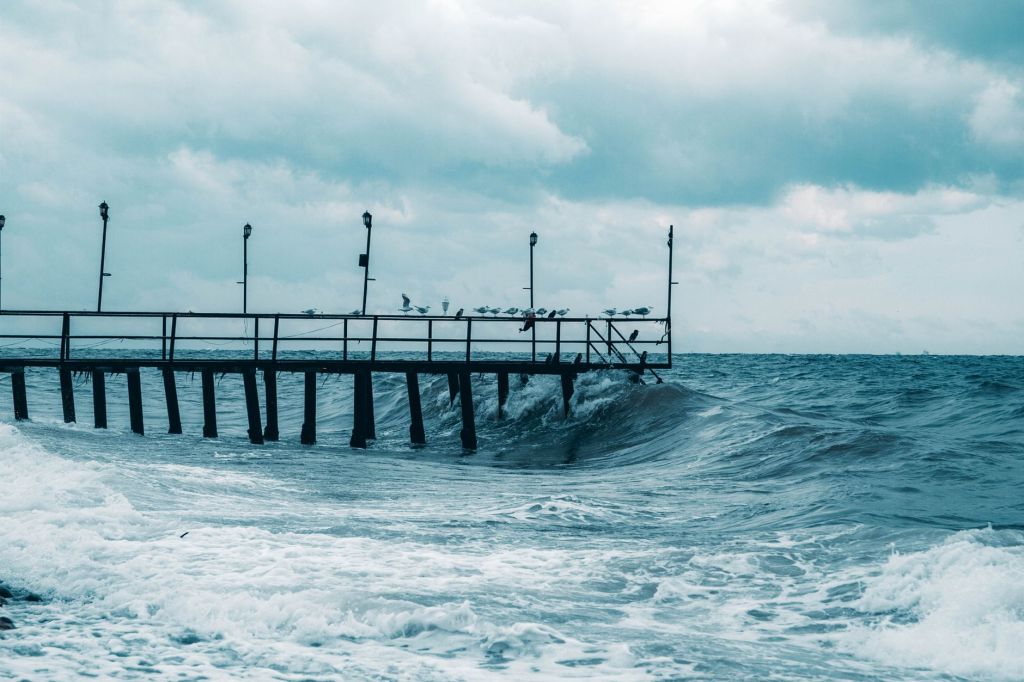
Coastal communities across the world are facing a rapidly escalating flood crisis as human-driven climate change pushes sea levels higher and turns once-rare flooding events into increasingly common disasters, according to groundbreaking new research.
A study published in Nature Climate Change has found that extreme coastal floods that historically had only a one percent chance of occurring in any given year are now approximately 12 times more likely than they were a century ago. Human-caused climate change alone is responsible for roughly a fourfold increase in the likelihood of these devastating events.
The findings provide some of the strongest evidence yet that the burning of fossil fuels has fundamentally altered the world’s coastlines and dramatically increased flood risks for hundreds of millions of people living near the sea.
Scientists warn that the research likely understates the scale of today’s threat because the analysis only covers the period between 1900 and 2005. Since then, global temperatures and sea levels have continued to rise at an accelerating pace.
The message from researchers is stark: coastal flooding is no longer merely a natural hazard. It has become a defining consequence of the climate crisis.
“Every coastal flood today carries the fingerprints of climate change,” experts say.
The study examined long-term sea-level records from more than 100 tide-gauge stations worldwide and combined them with advanced climate modelling to identify the factors driving extreme sea-level events.
These events occur when storm surges and unusually high tides coincide with rising sea levels, creating conditions for destructive flooding. While natural climate variability still plays a role, researchers found that human-induced warming has become the dominant force behind rising seas since the 1960s.
For much of the early twentieth century, fluctuations in sea levels could largely be explained by natural processes. However, as greenhouse gas emissions from coal, oil and gas combustion increased, the influence of climate change became increasingly apparent.
By the 1970s, researchers found that human-driven warming had become the principal factor driving sea-level rise globally.
The consequences are already being felt.
From the devastating floods caused by Hurricane Ian in the United States in 2022 to increasingly frequent tidal flooding in cities from Miami to Mumbai, coastal populations are experiencing firsthand the growing power of the oceans.
Flooding has emerged as one of the most expensive and deadly climate-related disasters worldwide. Every year, coastal floods threaten hundreds of millions of people, destroy homes and infrastructure, contaminate freshwater supplies, disrupt livelihoods and cause billions of dollars in economic losses.
A companion study published in Science Advances reinforces the alarming findings. Researchers concluded that climate change was responsible for approximately 58 percent of all major coastal flooding days recorded globally between 2000 and 2018.
The study also found that climate change has nearly tripled the number of days during which sea levels exceed extreme flood thresholds since the 1970s.
According to scientists, many floods that are now classified as damaging events would never have reached flood levels without the additional sea-level rise caused by global warming.
Even relatively small increases in sea level can dramatically increase flood risk because they reduce the margin between normal ocean conditions and dangerous inundation levels.
What once required a powerful storm can now occur during less intense weather events, making flooding more frequent and less predictable.
The implications for governments, urban planners and coastal residents are profound.
Scientists say infrastructure designed decades ago may no longer provide adequate protection in a rapidly changing climate. Seawalls, drainage systems, ports, roads and residential developments constructed using historical flood data may be dangerously outdated.
The challenge is particularly acute in low-lying coastal cities, where population growth and urban expansion continue to place more people and assets in harm’s way.
Experts warn that billions of dollars in additional investments will be needed to strengthen coastal defenses, relocate vulnerable infrastructure and improve disaster preparedness. Policymakers must also confront difficult questions about who should bear the financial burden of adaptation.
Some communities may eventually face hard choices between expensive protection measures and managed retreat from areas that become increasingly vulnerable to flooding.
The warning signs are already visible. In New Orleans, for example, scientists caution that existing flood protection systems may struggle to provide adequate security beyond the next few decades as sea levels continue to rise.
Despite the troubling outlook, researchers emphasize that the future is not predetermined.
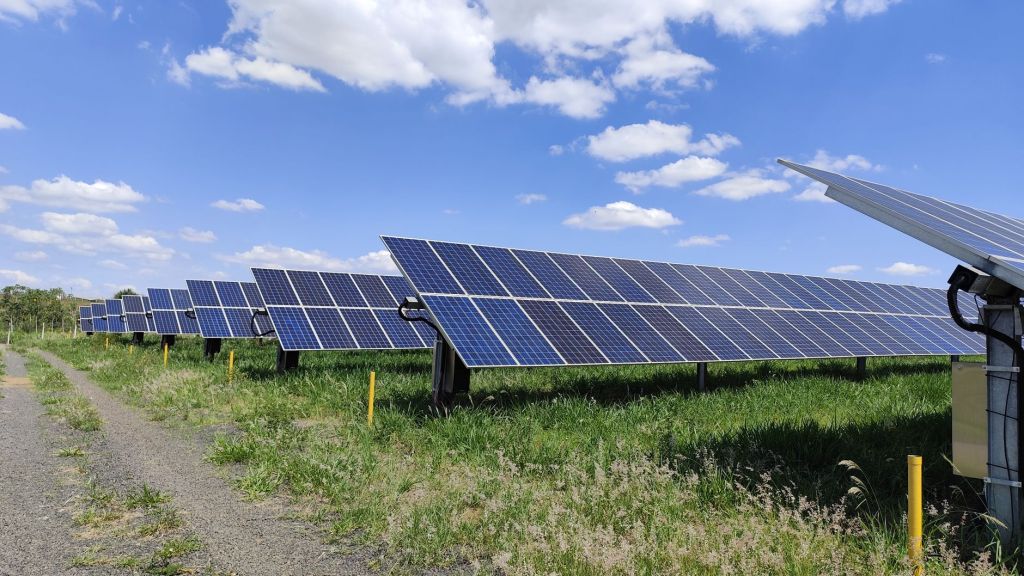
The pace of future sea-level rise remains closely linked to global greenhouse gas emissions. Accelerating the transition away from fossil fuels and expanding renewable energy sources such as solar and wind power could significantly reduce long-term risks.
Recent trends offer some cautious optimism. Renewable energy now accounts for more than one-third of global electricity generation, and clean energy growth is accelerating in many countries. Scientists note that the world is no longer on track for the most extreme warming scenarios once feared.
However, they also warn that current efforts remain insufficient to prevent severe climate impacts.
The new research serves as a powerful reminder that climate change is no longer a distant threat. It is already reshaping coastlines, amplifying disasters and placing millions of lives and livelihoods at risk.
As seas continue to rise, what were once considered “once-in-a-century” floods are rapidly becoming part of a new and dangerous reality—one increasingly written by human influence on the climate.



 PARYAWARAN
Leave a comment