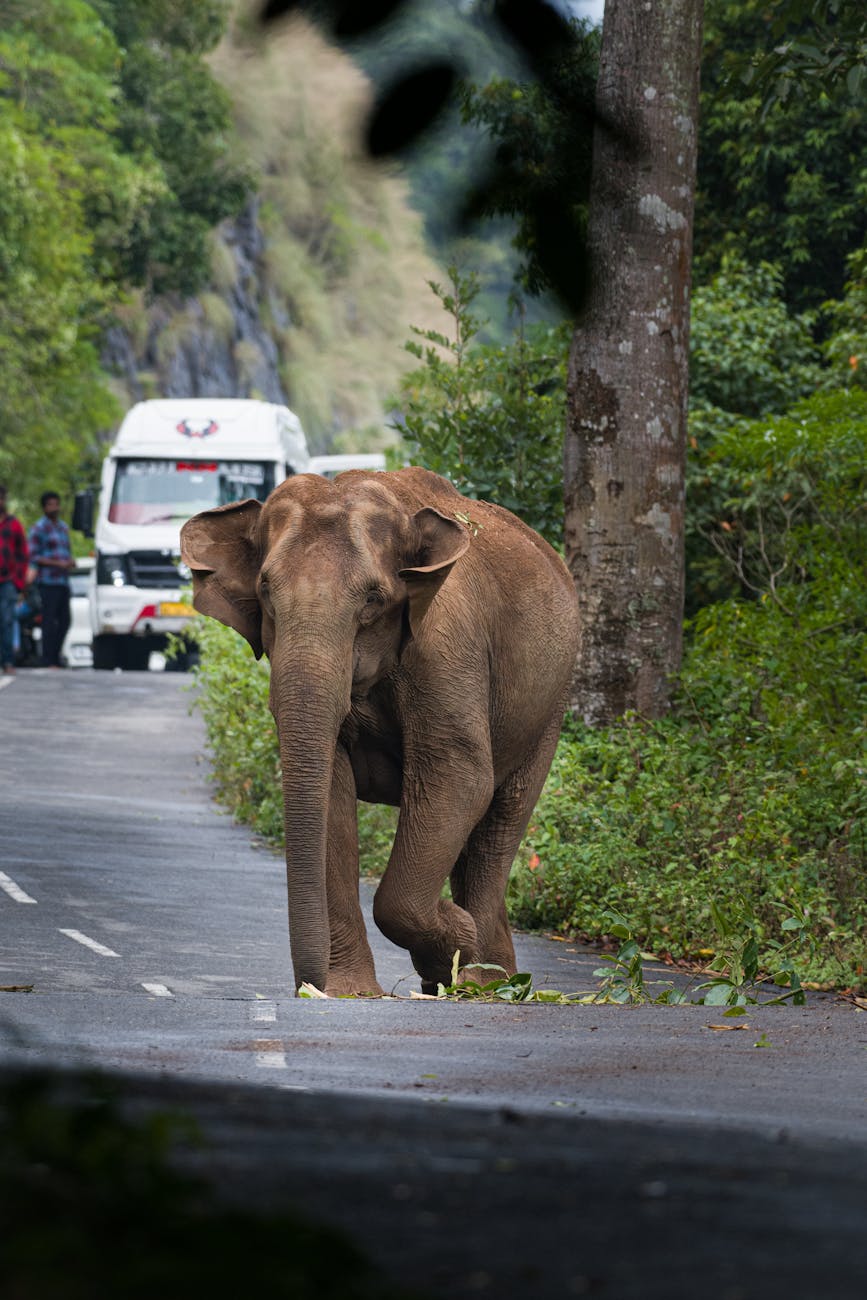
The Assam government is exploring new strategies to reduce the growing conflict between people and wildlife, including a proposal to scientifically examine whether the traditional practice of capturing wild elephants for domestication could play a role in managing human-elephant interactions outside protected forests.
The proposal emerged during discussions on wildlife conflict involving members of the State Assembly, where officials reviewed the increasing number of incidents involving elephants and monkeys. Authorities are expected to compile recommendations into a standard operating procedure that will guide future wildlife management and conflict mitigation efforts across the State.
Among the suggestions under consideration is the possible revival of mela shikar, a historic method once used to capture wild elephants with the assistance of trained captive elephants. Under the traditional practice, experienced handlers guided domesticated elephants to track and surround selected wild elephants before securing them for captivity. While the technique formed part of Assam’s historical elephant management practices, officials emphasized that any consideration of its revival would require scientific evaluation and approval from the Central Government.
The government has clarified that the proposal would not apply to national parks, wildlife sanctuaries, or other protected forests. Instead, it is being discussed only as a possible management option in non-forest areas where elephants frequently enter villages and agricultural fields, causing damage to crops, property, and occasionally leading to loss of human life.
Human-elephant conflict has become one of Assam’s most pressing conservation and public safety challenges. Expanding settlements, changing land use, and habitat fragmentation have increased encounters between elephants and communities living near forested landscapes. Every year, numerous incidents are reported in which elephants raid crops, damage homes, or come into contact with people while moving through traditional migration routes.
Officials acknowledged that these conflicts have resulted in significant human casualties as well as economic losses for farming communities. Crop destruction has particularly affected rural households that depend on agriculture for their livelihoods, making long-term conflict mitigation an urgent priority.
Alongside discussions on elephant management, the government is preparing a broader strategy that combines wildlife conservation with community protection. Authorities plan to identify locations where preventive measures such as solar-powered fencing, bio-fencing, and elephant-friendly plantations can reduce the likelihood of elephants entering populated areas. These interventions are expected to be implemented in consultation with forest officials, wildlife experts, local administrators, and elected representatives to ensure that solutions are suited to local conditions.
Compensation for families affected by wildlife conflict also forms an important part of the government’s proposed response. Plans are underway to increase financial assistance provided to the families of people who lose their lives in elephant-related incidents. Officials are also working to simplify administrative procedures so that compensation can be released within a short period after an incident, reducing delays that often place additional hardship on affected families.
Wildlife experts have long argued that timely compensation, combined with effective prevention measures, can help improve public support for conservation while easing tensions between local communities and forest authorities.
The Assembly discussions also addressed growing concerns over conflicts involving monkeys, particularly in agricultural and horticultural areas. Farmers have reported increasing crop losses attributed to expanding populations of rhesus macaques, creating another challenge for wildlife managers.
To address this issue, the government is studying wildlife management approaches adopted in other parts of India, including sterilisation programmes designed to control monkey populations humanely. Officials indicated that any such programme would focus only on common rhesus macaques and would not involve protected or endangered primate species such as golden langurs or hoolock gibbons, which remain important priorities for conservation.
Conservation specialists note that successful management of human-wildlife conflict requires a combination of habitat protection, scientific monitoring, community participation, and evidence-based policy. While traditional methods may provide historical context, modern wildlife management increasingly relies on ecological research to ensure that interventions are both effective and compatible with conservation goals.
The proposed review of elephant capture practices reflects the government’s effort to examine a wide range of options as climate change, habitat fragmentation, and expanding human settlements continue to intensify wildlife encounters. Any decision, officials say, will depend on scientific evidence, legal approval, and careful consideration of animal welfare, ecological impacts, and long-term conservation objectives.
As Assam prepares its new wildlife conflict management framework, the focus remains on balancing the protection of human lives and livelihoods with the conservation of one of India’s most iconic wildlife species. The forthcoming policy is expected to integrate preventive infrastructure, improved compensation systems, scientific assessment, and community participation to reduce conflict while supporting sustainable coexistence between people and wildlife.



 PARYAWARAN
Leave a comment