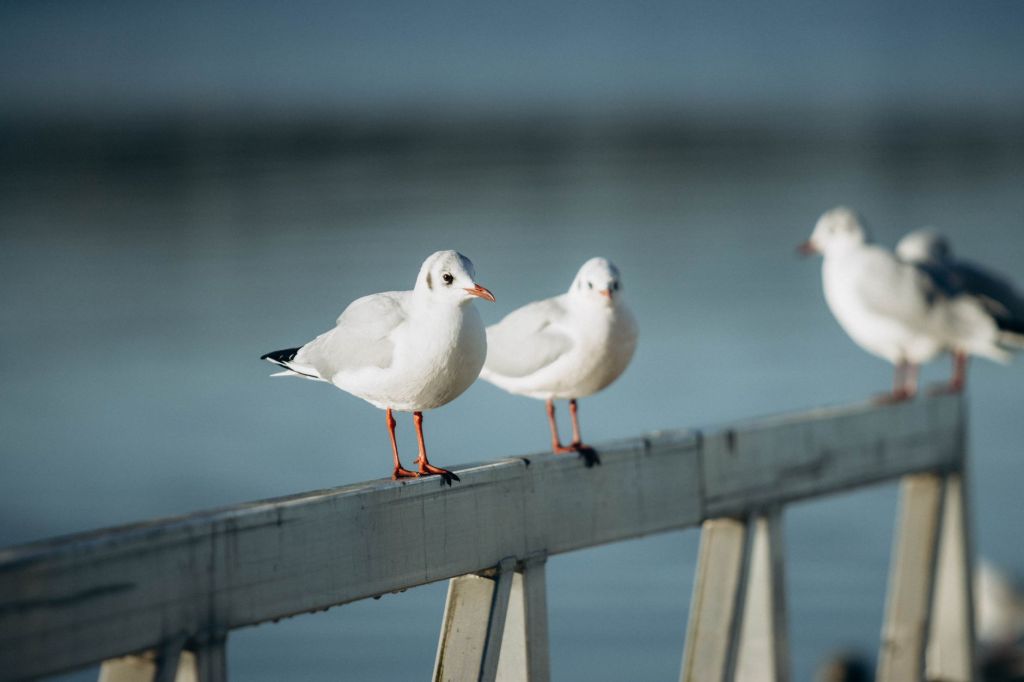
With deadly H5N1 detected in wild seabirds across five states, conservation experts are calling for targeted vaccination of threatened birds, seals and sea lions before the virus triggers catastrophic population losses.
H5N1 Threatens Australia’s Vulnerable Wildlife
Australia is facing growing concerns over the impact of the highly pathogenic H5N1 bird flu virus on native wildlife, after the disease was detected in 102 wild seabirds across five states.
The country has also recorded its first mass death of wild birds linked to the virus, raising fears that H5N1 could pose a serious threat to already vulnerable species.
Conservation experts are now calling for Australia to move quickly on targeted wildlife vaccination, arguing that the measure could help prevent outbreaks from wiping out entire local populations of threatened species.
While vaccination cannot stop H5N1 from spreading through wildlife, it could reduce severe disease and mortality and provide an additional layer of protection for populations at greatest risk.
Australia Has a Vaccine Policy, But Wider Action Is Limited
Australia already has a national policy allowing emergency vaccination of rare, protected and valuable birds, including animals held in zoos, sanctuaries and breeding programs, as well as some managed wild populations.
The government has also purchased an inactivated H5 vaccine and begun pilot studies involving captive non-poultry birds.
However, no broader public vaccination program has yet been announced identifying which threatened species will be vaccinated, where the vaccinations will take place or when wider deployment could begin.
The current policy also does not cover non-avian wildlife, leaving highly vulnerable marine mammals such as seals and sea lions outside its scope.
Lessons From New Zealand, US and France
Other countries have already begun testing or implementing wildlife vaccination programs.
New Zealand prepared for H5N1 before the virus arrived and, following species-specific trials, began vaccinating around 300 breeding birds belonging to some of its rarest species. The program includes kākāpō, takahē and black stilts, whose populations can be closely monitored and managed.
In the United States, vaccination followed a devastating H5N1 outbreak among critically endangered California condors. The virus killed 21 condors, prompting authorities to vaccinate captive and free-flying birds. By October 2024, 207 condors had received vaccines, with the treatment considered safe overall.
France has also tested an H5N1 vaccine in wild king penguin chicks on the sub-Antarctic island of Crozet. The trial generated strong virus-neutralising antibodies and no detected adverse effects.
The international experience suggests vaccination may not prevent every infection but could reduce the severity of disease and improve survival in threatened populations.
Which Australian Species Are Most at Risk?
Broadscale vaccination of free-ranging wildlife would be difficult because most H5 vaccines require two doses. Capturing wild animals for an initial vaccination is challenging enough, while booster doses and post-vaccination monitoring could be even more difficult.
Experts therefore recommend focusing on small, accessible populations that are already under conservation management.
Australia has identified almost one in five bird and mammal species as facing high, very high or extreme risk from H5N1.
Five bird species have been classified as being at extreme risk: the Christmas Island frigatebird, Houtman albatross, Herald petrel, and imperial shags on Heard Island and Macquarie Island.
Among mammals, sea lions, fur seals and elephant seals are considered particularly vulnerable. The Tasmanian devil and eastern quoll are among the highest-risk terrestrial species.
Any vaccination strategy would need to consider the risk of extinction, exposure to H5N1, vaccine effectiveness, cost, the number of animals that can realistically be reached and the potential stress caused by capture.
Seals and Sea Lions Need an Urgent Plan
Marine mammals are emerging as one of the biggest concerns.
H5N1 has caused mass deaths among seals and sea lions in South America and the Southern Ocean. More than 17,000 southern elephant seal pups died in Argentina in 2023.
At Australia’s sub-Antarctic Heard Island, an estimated 13,359 southern elephant seal pups died in 2025, with H5N1 believed to be responsible.
Australia’s vulnerable marine mammals include the endangered Australian sea lion, Australian and long-nosed fur seals, and southern elephant seals.
The detection of H5N1-positive terns at Seal Bay on Kangaroo Island is particularly concerning because the area supports a major breeding colony of Australian sea lions.
Macquarie Island, which supports a large southern elephant seal breeding population, remains free of H5N1, making early preparedness particularly important.
Experts Call for Action Before the Next Outbreak
There is currently no bird flu vaccine specifically designed for marine mammals. However, a US trial aimed at protecting endangered Hawaiian monk seals found that a cattle vaccine was safe when tested in northern elephant seals and generated measurable antibodies.
Developing a separate vaccine for every threatened wildlife species would be expensive and time-consuming. Conservation programs can instead explore whether vaccines already approved for domestic animals can be safely adapted for closely related wildlife.
Experts say Australia should now identify priority seal and sea lion colonies, test promising vaccine candidates in suitable surrogate species and develop a practical vaccination strategy.
Vaccination would not replace biosecurity, disease surveillance or other conservation measures. Instead, it could provide another line of defence for species whose populations may take decades to recover from a single catastrophic outbreak.
With H5N1 capable of causing mass mortality in a matter of weeks, conservationists warn that waiting for more wildlife deaths before acting could leave Australia responding too late.
 PARYAWARAN
Leave a comment