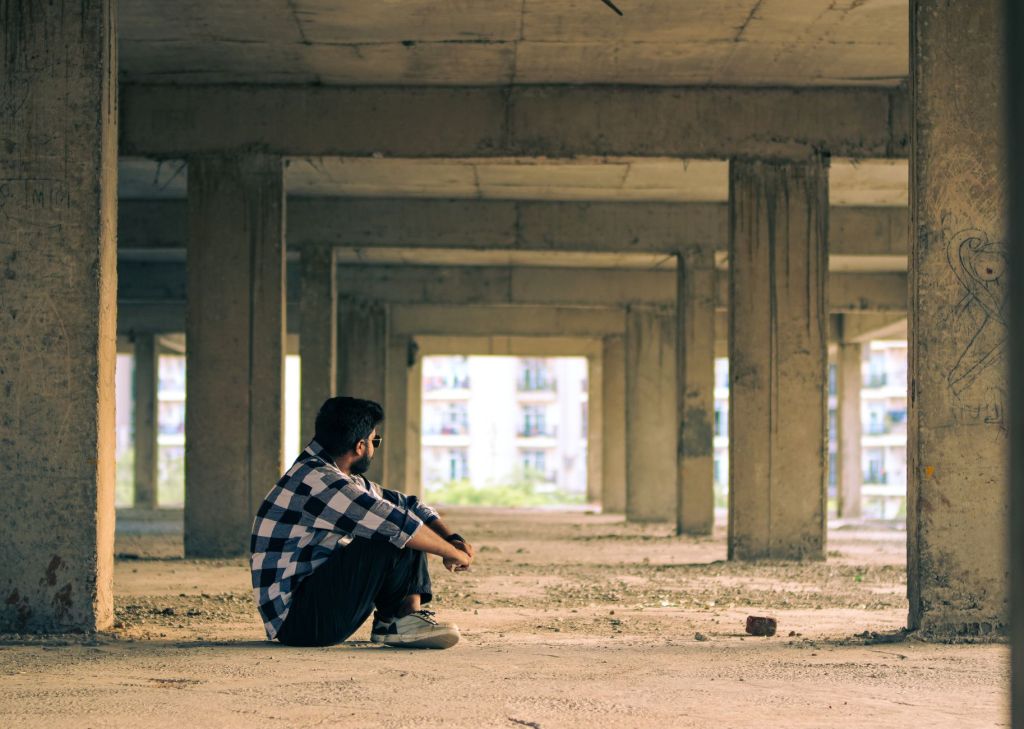
Climate change is increasingly affecting more than ecosystems, infrastructure and economies. Severe heat waves, floods, storms and wildfires are also disrupting the social connections that help communities function, leaving people more isolated and weakening the networks they rely on during emergencies.
Social connection plays a critical role in individual and community well-being. Regular interaction with friends, relatives and neighbours can reduce stress, support mental well-being and strengthen a sense of belonging. During disasters, these relationships become even more important, allowing people to share warnings, organise assistance and check on vulnerable residents.
But increasingly frequent extreme weather events are making those connections harder to maintain.
Extreme heat is one of the most immediate barriers. When temperatures reach dangerous levels, people often remain indoors to avoid exposure. Outdoor gatherings, festivals, community meetings and recreational activities may be cancelled or poorly attended. As a result, everyday opportunities for people to interact can disappear.
Research in rural communities has found that residents increasingly avoid leaving their homes during periods of extreme heat. For people who already have limited opportunities for social interaction, such conditions can deepen feelings of isolation.
Severe storms and flooding create another layer of disruption. Flooded roads, damaged bridges and dangerous travel conditions can prevent people from visiting family members, attending community events or accessing essential services. When such disruptions occur repeatedly, normal routines and relationships can gradually weaken.
Extreme weather can also sever the communication systems that keep people connected. Storms, floods, winter weather and heat waves can cause widespread power outages. When electricity fails, internet connections, mobile networks and other communication services may also become unavailable.
For residents in rural areas who depend heavily on internet-based communication, the consequences can be particularly severe. A prolonged power outage can effectively cut people off from friends, relatives, emergency information and support networks.
The loss of physical gathering places presents another overlooked consequence of climate change.
Many communities depend on parks, lakes, rivers, community centres, markets and other shared spaces where people meet and maintain relationships. Extreme weather can damage or permanently alter these places.
Flooding can destroy recreational areas, while drought can reduce lakes and rivers to levels that make swimming, fishing and other activities impossible. Wildfires can damage forests and public spaces that communities have used for generations.
Climate change can also threaten cultural traditions built around these places.
Annual festivals, agricultural celebrations and outdoor events often provide opportunities for generations to come together. When drought, wildfire, flooding or crop failures affect the resources associated with these traditions, communities can lose not only an event but also an important part of their social identity.
The effects can become even more severe when several hazards occur at the same time. A heat wave combined with a power outage and severe storm, for example, can leave residents trapped indoors without electricity, transportation or reliable communication.
Repeated disasters can gradually weaken social participation. People may stop attending events, travelling to see relatives or spending time outdoors because they anticipate another disruption. Over time, this can contribute to greater social isolation.
The risks are not distributed equally. Older adults, rural residents, people without reliable transportation and households with limited internet or mobile access are particularly vulnerable. Those who are already socially isolated can become even more disconnected when extreme weather disrupts their remaining sources of contact.
This creates a troubling cycle. Strong social networks are essential during disasters because neighbours can share information, provide food and water, check on vulnerable people and help with recovery. Yet repeated climate-related emergencies can simultaneously weaken those very networks.
Building climate resilience therefore requires more than strengthening physical infrastructure. Communities also need places and systems that support social interaction before, during and after disasters.
Public libraries, community centres and other local facilities could play an important role. These spaces can function as gathering points throughout the year while also serving as cooling centres and climate resilience hubs during emergencies.
Such hubs can provide drinking water, electricity, internet access and phone-charging facilities during outages. They can also host educational programmes, community meetings and activities that help residents build relationships before a disaster occurs.
Maintaining these connections can make communities better prepared when extreme weather strikes. A neighbour who knows the people living nearby is more likely to notice when an older resident needs assistance. A connected community can spread emergency information faster and organise mutual aid more effectively.
As climate change intensifies extreme weather, protecting social connection should therefore become part of climate adaptation planning. The ability of communities to gather, communicate and support one another is an important form of resilience.
The climate crisis is changing where and how people live, but its social consequences are less visible. When heat keeps people indoors, floods prevent travel, power outages cut communication and disasters destroy cherished gathering places, the result can be a gradual erosion of community life.
In a warming world, social connection is not simply a matter of personal well-being. It is critical infrastructure—and one of the most important resources communities must protect as climate-related disasters become more frequent.
 PARYAWARAN
Leave a comment