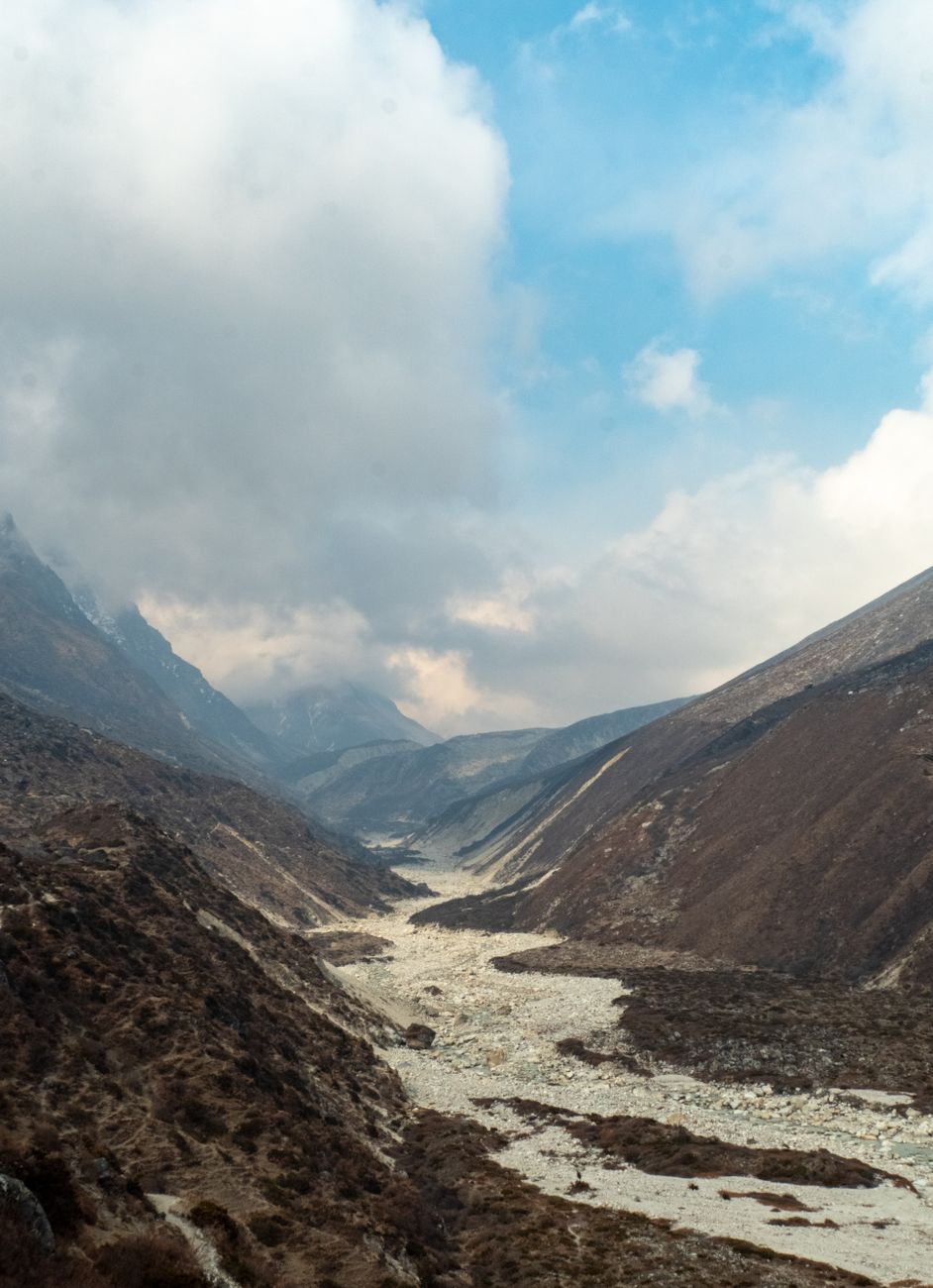
Nepal is facing one of its most devastating natural disasters in recent years after catastrophic flash floods and landslides swept through communities along the Nepal–China border, destroying homes, roads, bridges and critical infrastructure and leaving a large number of people dead or missing.
The disaster unfolded on August 26 in the Himalayan region, where a massive collapse of ice and rock triggered a sudden surge of water, mud and debris into river valleys. The United States Geological Survey determined that seismic signals initially suspected to be an earthquake were instead associated with the collapse and subsequent debris flow. By August 27, reports indicated that at least 165 people had died across Nepal and Tibet, while nearly 1,500 remained missing. Rescue operations were continuing amid difficult terrain, damaged roads and unstable slopes.
The catastrophe has affected Rasuwa and other areas of northern Nepal, as well as communities across the border in Tibet. Powerful floodwaters swept away settlements and infrastructure along the Bhote Koshi and related river systems. Hydropower facilities, roads, bridges and trade infrastructure were severely damaged, while communication and electricity services were disrupted in several locations. The destruction has also complicated the movement of rescue teams and emergency supplies.
A disaster shaped by a warming Himalaya
Although scientists caution that climate change cannot be identified as the sole immediate cause of the disaster, the event has drawn renewed attention to the rapidly changing Himalayan environment.
The Himalayas are warming, causing glaciers to retreat and lose mass while altering the stability of frozen slopes and mountain terrain. Rising temperatures can increase snow and ice melt, weaken the frozen material that helps hold steep mountain slopes together, and change freeze–thaw cycles. These processes can make some areas more susceptible to rockfalls, avalanches, landslides and sudden floods.
Scientists studying the Nepal disaster believe that an ice-and-rock avalanche from the Langtang Lirung area may have initiated the chain of events. The collapse sent enormous quantities of debris into a river system, producing a destructive downstream surge. Experts have described the disaster as an example of a potential compound event, in which climate-driven changes to glaciers and mountain slopes interact with geological and hydrological processes to produce consequences far greater than any single hazard might cause.
The broader trend is deeply concerning. According to information cited by scientists and the United Nations, Nepal lost close to one-third of its mountain ice cover over roughly three decades, while glacier melting accelerated substantially during the decade preceding 2023. The loss of ice does not simply threaten future water supplies; it can also increase short-term hazards as unstable slopes, changing drainage patterns and glacial lakes create new risks for downstream communities.
Extreme rainfall adds another layer of danger
The latest catastrophe comes during Nepal’s monsoon season, when intense rainfall already makes the country’s steep terrain particularly vulnerable to flooding and landslides. Earlier this month, heavy monsoon rainfall triggered a major landslide in Rolpa that killed 12 people, highlighting the growing danger faced by communities living on unstable slopes.
Climate change is making the relationship between rainfall and disasters increasingly complex. A warmer atmosphere can hold more moisture, creating conditions for episodes of very intense precipitation. In mountainous countries such as Nepal, concentrated rainfall can rapidly swell rivers, saturate soils and destabilize slopes. When combined with glacier retreat, snowmelt, land degradation and fragile infrastructure, extreme rainfall can transform into a cascading disaster.
Nepal’s geography further amplifies these risks. Villages, roads, hydropower projects and other infrastructure are often located within narrow river valleys or on steep slopes because of the country’s mountainous terrain. Once a landslide blocks a river or a sudden flood destroys a bridge, entire communities can become isolated within minutes.
Development and disaster preparedness
The tragedy also raises questions about how infrastructure is planned in a rapidly changing Himalayan environment. Roads, hydropower projects, settlements and tourism infrastructure are increasingly expanding into areas exposed to floods, landslides and other mountain hazards.
Climate scientists have warned that disaster risk cannot be addressed simply by responding after an event occurs. Nepal and other Himalayan countries need stronger early-warning systems, glacier and glacial-lake monitoring, hazard mapping, resilient infrastructure and land-use planning that takes future climate conditions into account.
The current emergency also demonstrates the importance of cross-border cooperation. Rivers, glaciers and mountain hazards do not follow political boundaries. A collapse occurring high in the mountains can rapidly affect communities hundreds of kilometres downstream and across national borders.
A warning for the Himalayan region
Nepal’s latest disaster is therefore more than an isolated flood. It is a warning about the increasing interaction between climate change, extreme weather, geological instability, rapid development and human vulnerability in the Himalayas.
Similar disasters have struck the wider Himalayan region in recent years, including glacial lake outburst floods in Sikkim, severe floods in Nepal and major landslides and flash floods in the Indian Himalayas.
For Nepal, the immediate priority remains saving lives, locating missing people and providing shelter and essential supplies to affected communities. But once the emergency phase ends, the country will face a larger challenge: preparing for a Himalayan landscape that is changing faster than many existing disaster-management systems were designed to handle.
The lesson is increasingly clear. In a warming Himalaya, extreme rainfall, melting glaciers, unstable slopes and expanding human infrastructure can combine to create disasters that move with extraordinary speed. Reducing future losses will require not only better emergency response, but also climate adaptation, ecosystem protection, science-based planning and cooperation across the entire Himalayan region.

 PARYAWARAN
Leave a comment