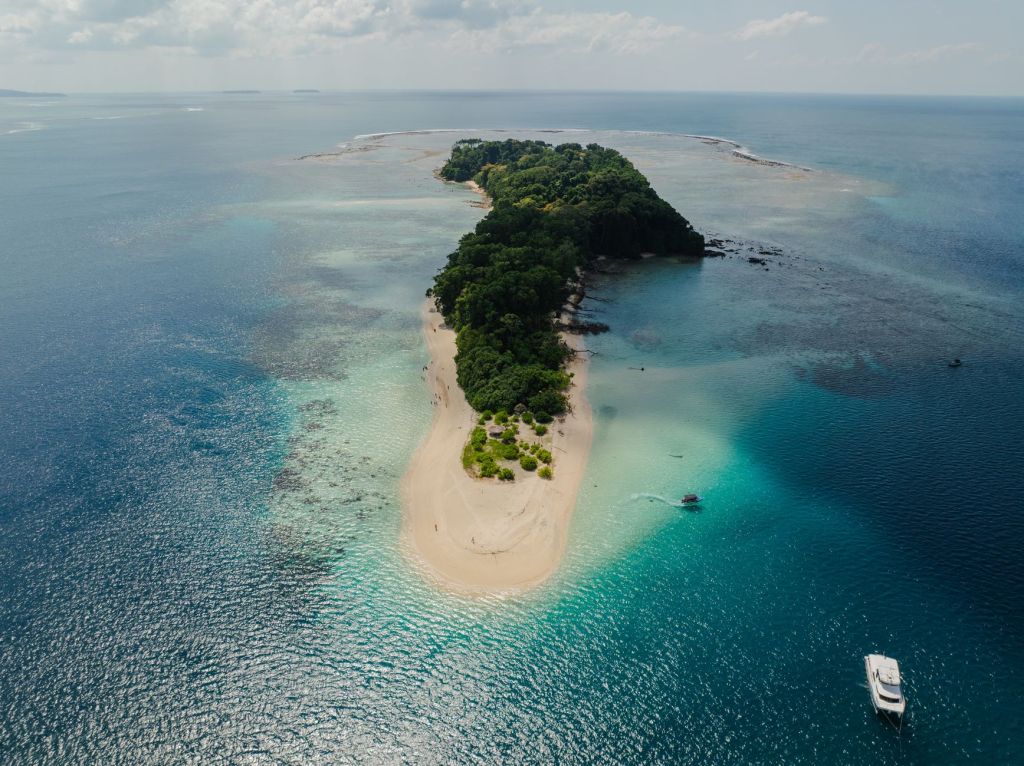
CERD calls for comprehensive and independent impact assessments, citing potential threats to Indigenous communities and the fragile ecology of the Andaman and Nicobar Islands.
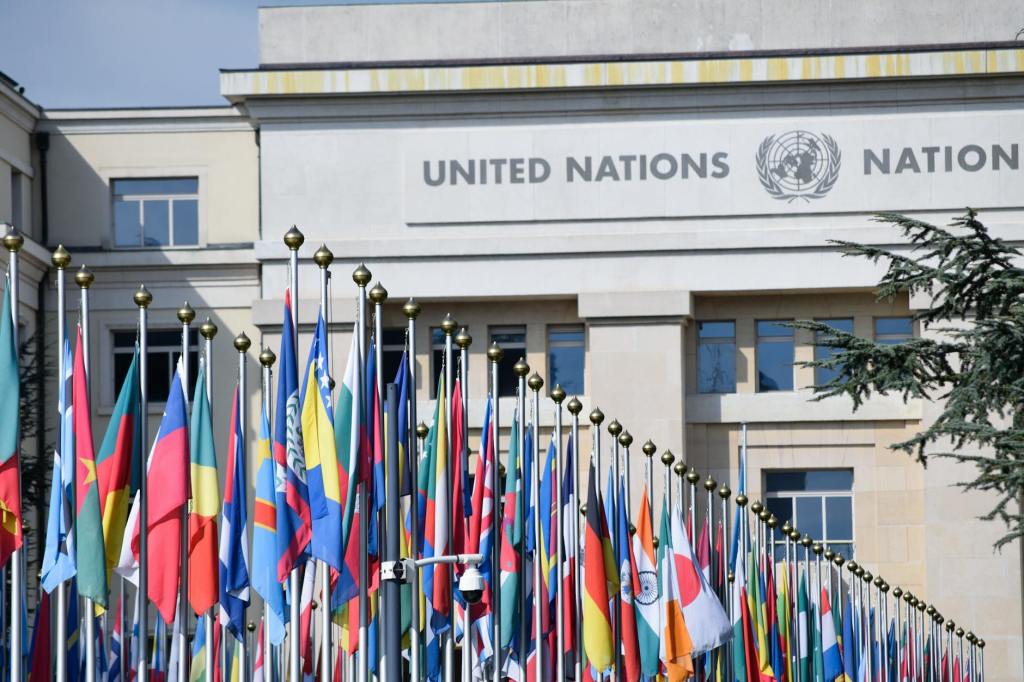
The United Nations Committee on the Elimination of Racial Discrimination (CERD) has urged India to suspend the implementation of major development projects planned for the Great Nicobar and Andaman Islands until comprehensive and independent assessments of their potential impacts are completed.
The UN committee has raised concerns over the possible environmental, economic, social, cultural and spiritual consequences of the proposed developments, particularly for vulnerable Indigenous and tribal communities living in the islands.
The proposed Great Nicobar project, estimated at around $10 billion, represents one of the largest infrastructure initiatives planned for the strategically important island. The project includes a mega-port, an international airport, a new city, a power station, an industrial park and a military facility. It could also involve the settlement of up to 650,000 people.
Environmental and Indigenous rights organisations have warned that such large-scale development could significantly transform the island’s forests, coastline, wildlife habitats and traditional Indigenous territories.
Great Nicobar is home to the Shompen, an Indigenous community that largely lives in voluntary isolation. Their limited contact with the outside world makes them particularly vulnerable to the potential consequences of large-scale infrastructure development, population expansion, habitat alteration and exposure to external diseases.
CERD has expressed particular concern about the potential threat to Indigenous peoples living in voluntary isolation. The committee has also highlighted what it considers inadequate measures to address concerns surrounding the development projects and their possible effects on vulnerable tribal populations.
The question of Indigenous consultation is central to the controversy. In its response to the UN committee, the Indian government acknowledged that direct consultation with the Shompen was not possible because they are an uncontacted Indigenous community.
This creates a significant challenge in relation to the principle of Free, Prior and Informed Consent, an internationally recognised framework intended to ensure that Indigenous peoples are consulted and able to participate in decisions concerning projects that may affect their lands, resources, cultures and livelihoods.
The Great Nicobar project has faced criticism from environmental scientists, Indigenous rights organisations and international experts. In 2024, 39 international genocide experts raised concerns that proceeding with the development could pose an existential threat to the Shompen community.
The concerns relate to several potential risks, including loss or fragmentation of traditional territories, ecological degradation, disruption of customary practices and increased exposure to outside populations and diseases. For Indigenous communities living in isolation, such changes can have consequences that extend well beyond conventional environmental impacts.
CERD has therefore called for a full and independent assessment covering multiple dimensions of the proposed development before implementation proceeds. The recommended assessment is intended to examine not only environmental effects but also the economic, social, cultural and spiritual implications for affected Indigenous communities.
The committee has also raised concerns over the treatment of Indigenous and tribal communities in the context of wildlife conservation. It has drawn attention to the long-standing practice of relocating or evicting Indigenous communities from areas subsequently designated as tiger reserves.
Although protected areas are established to conserve wildlife and biodiversity, forced relocation can affect communities that have historically depended on forests for food, livelihoods, cultural practices and traditional knowledge.
CERD has called for the suspension of forced evictions and encouraged India to adopt a human rights-based approach to conservation. Such an approach would recognise Indigenous and tribal communities as important custodians of biodiversity and incorporate their rights and knowledge into conservation planning.
The recommendation is consistent with a growing international emphasis on community-based and rights-based conservation. Increasingly, conservation approaches recognise that Indigenous communities can play an important role in protecting forests, wildlife and ecosystems while maintaining traditional relationships with their landscapes.
At the same time, the Great Nicobar project is being pursued for broader strategic and economic objectives. The planned port and associated infrastructure are intended to strengthen connectivity and maritime capabilities in the strategically significant Nicobar region. The development could also bring new infrastructure, employment opportunities and economic activity.
The scale and location of the project, however, have generated concerns about whether these potential benefits can be achieved without causing irreversible environmental and social consequences.
Great Nicobar contains extensive forests, coastal ecosystems and habitats supporting a range of wildlife and endemic species. Large-scale construction, increased human settlement and associated infrastructure could place additional pressure on these ecosystems.
The controversy therefore reflects a broader global debate over the balance between economic development, national strategic interests, biodiversity conservation and Indigenous rights.
CERD’s recommendation has added further international scrutiny to the project and placed greater emphasis on independent assessment and protection of vulnerable communities before irreversible decisions are taken.
For the Shompen and other Indigenous communities of the Andaman and Nicobar Islands, the proposed transformation of Great Nicobar could have lasting implications for their traditional territories, cultural practices and relationship with the natural environment.
The UN committee’s intervention underscores the need for development planning to account for the rights and vulnerabilities of Indigenous peoples, particularly communities living in voluntary isolation. It also highlights the importance of ensuring that conservation and infrastructure development do not come at the expense of communities whose cultural and ecological relationships with their lands have endured for generations.


 PARYAWARAN
Leave a comment