For decades, climate action has focused largely on reducing greenhouse gas emissions, transitioning to renewable energy, and protecting forests. While these remain essential, a growing body of scientific evidence suggests that one crucial ally has been overlooked—wildlife.
In an unprecedented move, 287 scientists from six continents have come together to issue the Scientific Consensus on Wildlife and Climate, declaring that protecting wild animals is not only vital for biodiversity but also indispensable for tackling climate change. Announced during the 64th Sessions of the United Nations Framework Convention on Climate Change (UNFCCC) Subsidiary Bodies (SB64) in Bonn, Germany, the consensus represents the first coordinated global scientific statement highlighting wildlife as a critical component of climate solutions.
Wildlife: Nature’s Hidden Climate Workforce
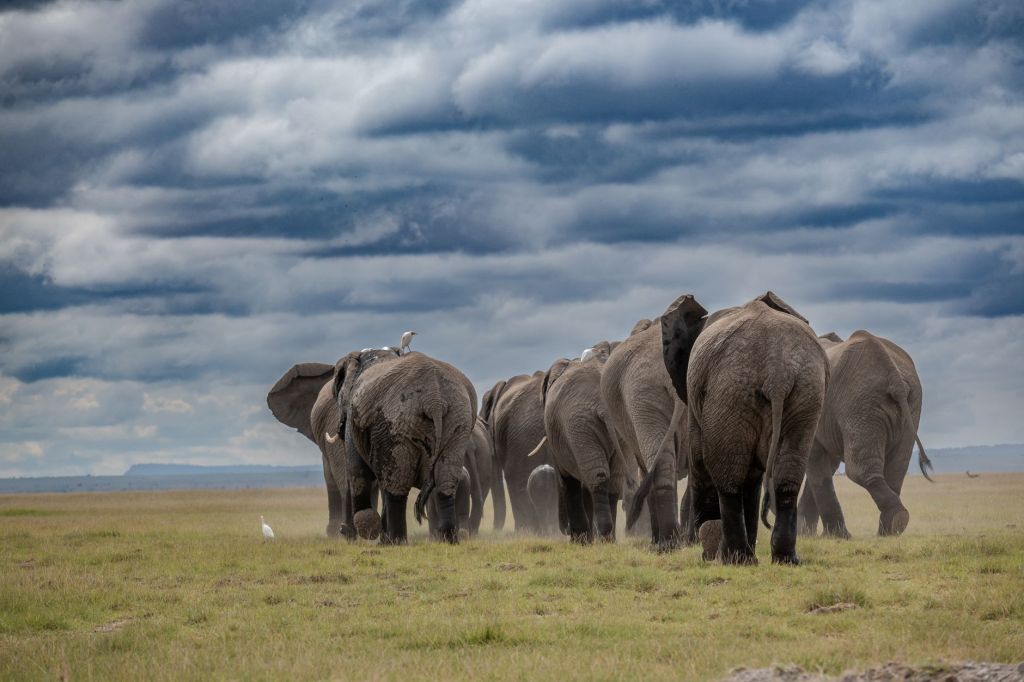
When people think of climate action, images of forests, solar panels, and wind farms often come to mind. Rarely do elephants, whales, bison, or fish enter the conversation. Yet these animals quietly perform ecological functions that help regulate the Earth’s climate every single day.
Wild animals shape ecosystems through grazing, browsing, seed dispersal, pollination, migration, predation, burrowing, and nutrient recycling. These natural behaviours influence how forests regenerate, how grasslands flourish, how oceans store carbon, and how ecosystems recover from disturbances.
In essence, wildlife keeps ecosystems functioning—and healthy ecosystems are among the planet’s most effective carbon sinks.
Every Species Plays a Role
The scientific consensus highlights remarkable examples of animals acting as natural climate allies.
Forest elephants disperse the seeds of large, carbon-rich trees, helping forests store greater amounts of carbon. Grazing bison stimulate fresh plant growth while recycling nutrients that enrich grasslands. Marine fish transport carbon from surface waters into the deep ocean, where it can remain stored for centuries. Countless birds, insects, mammals, reptiles, and marine species perform equally important ecological functions that collectively support climate regulation.
These are not isolated examples but parts of interconnected natural systems that have evolved over millions of years.
The Science Is Growing Stronger
One of the strongest pieces of evidence comes from a 2023 study published in Nature Climate Change. Researchers estimated that restoring wild animal populations and allowing them to resume their natural ecological roles could increase global carbon dioxide removal by an additional 6.41 gigatonnes every year.
That amount is significant. It could help bridge the gap between current nature-based climate solutions and the level of carbon removal required to keep global warming below the internationally agreed target of 1.5°C.
In other words, restoring wildlife is not simply about saving endangered species—it could become an important climate strategy.
The Missing Piece in Climate Policy
Despite mounting evidence, wildlife has remained largely absent from international climate policy.
Global climate negotiations have rightly recognised the importance of forests, wetlands, peatlands, and mangroves, but the animals that maintain these ecosystems have often been overlooked. Without healthy wildlife populations, many ecosystems lose their ability to regenerate, recycle nutrients, disperse seeds, and store carbon efficiently.
The scientists behind the new consensus argue that climate policies cannot be scientifically complete if they ignore these ecological processes.
Recognising wildlife as an active contributor to climate resilience would fundamentally reshape how governments design conservation programmes, restoration projects, and national climate commitments.
Africa Leads a New Conversation
The release of the Scientific Consensus coincides with growing international momentum behind the proposed Wildlife for Climate Declaration, an initiative being advanced by African governments.
The declaration seeks formal recognition of wildlife conservation as an essential component of climate action. It reflects an emerging understanding that biodiversity loss and climate change are not separate crises but two sides of the same environmental challenge.
Protecting wildlife means protecting the ecosystems that regulate rainfall, store carbon, maintain fertile soils, and support human livelihoods.
Beyond Conservation
The implications extend well beyond wildlife protection.
Healthy ecosystems reduce the impacts of floods and droughts, improve food security, maintain clean water supplies, support pollinators, and strengthen resilience against climate extremes. Every species lost weakens these natural systems, making both nature and people more vulnerable.
By recognising wildlife as part of climate policy, governments can create more effective, integrated solutions that address biodiversity loss and climate change simultaneously.
A Turning Point for Climate Action
The Scientific Consensus on Wildlife and Climate represents far more than another scientific publication. It is a clear message from nearly 300 experts that the world can no longer separate wildlife conservation from climate action.
For too long, animals have been viewed mainly as victims of climate change. This consensus challenges that perception by showing they are also active partners in regulating the Earth’s climate.
As countries prepare future climate commitments, protecting wildlife should not be treated as an optional conservation goal but as an investment in planetary stability.
The path to a safer climate does not lie only in reducing emissions or planting more trees. It also depends on restoring the intricate relationships between animals and the ecosystems they sustain.
In protecting wildlife, humanity is not simply saving species from extinction—it is safeguarding one of nature’s most powerful climate solutions.


 PARYAWARAN
Leave a comment