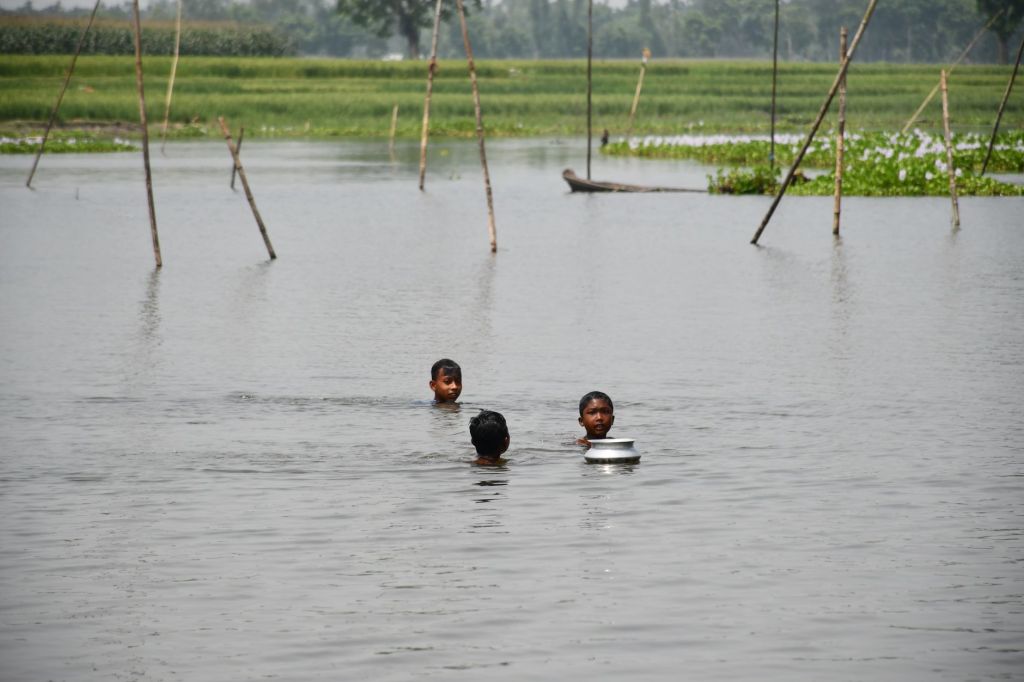
Torrential monsoon rains have unleashed a wave of destruction across South Asia, killing hundreds, displacing thousands and crippling transport, agriculture and essential services. From India’s flood-ravaged northeast to Pakistan’s inundated towns, Afghanistan’s devastated mountain communities, Bangladesh’s damaged farmlands and Nepal’s landslide-hit highways, the region is confronting yet another stark reminder that climate change is intensifying the risks posed by extreme weather.
The scale of devastation has been severe. In northeast India, floods have affected more than 362,000 people, while at least 80 people have lost their lives. Entire villages have been inundated, thousands have been forced into relief camps and nearly 19,100 hectares of agricultural land in Upper Assam remain submerged. Rivers swollen by relentless rainfall continue to overflow, threatening fresh inundation and further disruption to livelihoods.
Pakistan is battling a second spell of heavy monsoon rainfall only weeks after deadly flooding claimed more than 100 lives. Rising waters have engulfed settlements, forcing desperate families to flee in boats while many others remain trapped without electricity, clean drinking water or access to healthcare. Damaged roads and washed-away infrastructure have slowed rescue efforts, raising fears of prolonged humanitarian distress and disease outbreaks in affected areas.
In Afghanistan, flash floods have devastated the eastern province of Nuristan, where dozens of people have died and scores of families have been left homeless. Floodwaters swept through settlements, destroying homes, farmland and public infrastructure, leaving vulnerable communities in urgent need of humanitarian assistance.
Bangladesh is facing an escalating food security challenge as floods have damaged crops and poultry farms across more than 40 districts. The destruction has disrupted food supplies and driven up the prices of rice, vegetables, eggs and flour, adding to the financial burden on millions of households already struggling with inflation and repeated climate-related disasters.
Nepal continues to grapple with persistent rainfall that has triggered landslides and blocked major highways, isolating communities and disrupting the movement of people and essential goods. Authorities remain on high alert as unstable slopes and swollen rivers threaten further damage across the Himalayan nation.
While monsoon flooding is a seasonal reality across South Asia, scientists warn that today’s disasters are unfolding in a rapidly warming world where climate change is amplifying extreme weather events. Forecasts of a powerful El Niño, marked by unusually warm Pacific Ocean temperatures and weakened trade winds, have raised concerns about increasingly erratic weather across the region.
Although El Niño has historically been associated with below-normal monsoon rainfall and prolonged heatwaves in South Asia, climate change is altering long-established weather patterns. A warmer atmosphere holds significantly more moisture, resulting in shorter but far more intense bursts of rainfall that overwhelm rivers, reservoirs and urban drainage systems. The result is a dangerous combination of flash floods, landslides, crop destruction and widespread displacement.
The consequences extend well beyond immediate flood damage. Entire farming seasons can be lost within days, transport networks collapse, drinking water supplies become contaminated, schools and health centres are forced to close and vulnerable communities face months of economic hardship. For millions of people whose livelihoods depend on agriculture, increasingly unpredictable weather is becoming an annual threat rather than an exceptional event.
Environmental degradation is further magnifying the crisis. Unregulated sand mining, quarrying, deforestation and the destruction of wetlands have weakened natural flood defences, destabilised riverbanks and increased the likelihood of landslides. As natural ecosystems lose their capacity to absorb and regulate floodwaters, communities become increasingly exposed to extreme rainfall.
The latest disaster has renewed calls for governments across South Asia to move beyond emergency response and invest in long-term climate resilience. Strengthening flood forecasting systems, expanding early warning networks, improving water management and restoring degraded ecosystems are increasingly viewed as essential measures to reduce future losses. Experts have also stressed the need for stricter regulation of environmentally destructive activities that heighten disaster risks.
The flooding across South Asia is more than another severe monsoon season—it is a warning of a changing climate that is making weather extremes more frequent, more destructive and more difficult to predict. Every year, the region witnesses new records for rainfall, heat or flooding, with mounting human and economic costs. Unless governments strengthen climate adaptation, protect natural ecosystems and improve disaster preparedness, such tragedies are likely to become even more frequent, placing millions of lives and livelihoods at growing risk.


 PARYAWARAN
Leave a comment