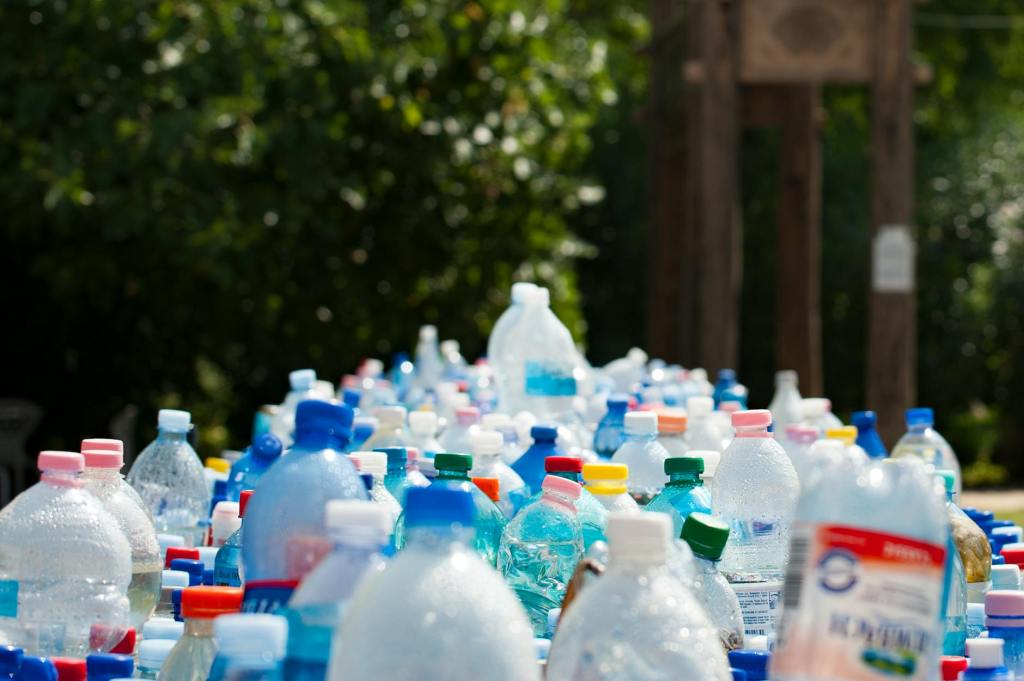
The latest draft of a proposed United Nations treaty to end plastic pollution is facing growing criticism from environmental and public health groups, which warn that the agreement is becoming less ambitious at a time when the global plastics crisis continues to intensify.
Negotiations on the long-awaited legally binding treaty resumed informally in Nairobi between 30 June and 3 July, following the collapse of formal negotiations in Geneva in 2025. The Nairobi discussions were intended to help governments develop a revised text and prepare the ground for the next phase of negotiations.
A new draft was subsequently released as an informal and evolving reference document. However, environmental organisations and independent experts have expressed concern that the document does not significantly strengthen commitments made during earlier negotiations. Instead, several critical provisions remain unresolved, particularly those dealing with plastic production, chemicals and human health.
The Center for International Environmental Law (CIEL) has warned that the latest text remains heavily divided, with many provisions still placed in brackets to indicate disagreement among countries. The organisation has highlighted concerns that the draft continues to avoid decisive action on the rapidly increasing production of plastics.
OceanCare has similarly criticised the direction of the negotiations, arguing that major elements of the treaty remain uncertain. Environmental groups fear that continued disagreement could result in an agreement focused largely on managing plastic waste rather than addressing the source of the pollution.
Human health has emerged as another major area of concern. Analysis by researchers associated with the London School of Hygiene and Tropical Medicine indicates that references to human health remain limited in the substantive provisions of the draft, with most of those references still subject to negotiation.
This has raised concerns that protections for human health could be weakened or removed altogether before the treaty is finalised. Environmental and health advocates argue that plastic pollution cannot be treated solely as a waste-management issue because exposure to plastics and associated chemicals occurs throughout their lifecycle—from production and processing to consumption, disposal and environmental degradation.
Microplastics have been detected in a wide range of environments, including water, agricultural soils and food systems. Plastic-related pollution is therefore increasingly being viewed as an issue involving environmental integrity as well as public health, food security and ecosystem protection.
The central disagreement that derailed the previous negotiations remains unresolved: whether the treaty should include legally binding measures to reduce global plastic production.
Plastic production has expanded dramatically over recent decades, driven largely by fossil-fuel-based feedstocks. Environmental organisations argue that controlling pollution without addressing the continued growth of production would leave the fundamental problem largely untouched.
The issue has also exposed deep divisions between countries. Many governments and civil society organisations have supported stronger international controls on plastic production and hazardous chemicals. However, several major oil- and plastic-producing countries have resisted binding production limits.
The inability to reach consensus has become one of the most significant obstacles facing the negotiations. The UN process requires participating countries to agree to the final treaty, allowing disagreements among a relatively small group of states to prevent progress on measures supported by a larger coalition.
Environmental organisations have warned that this consensus-based approach could lead to prolonged negotiations without meaningful commitments. They argue that the process requires mechanisms capable of preventing persistent deadlock while maintaining the legitimacy of international decision-making.
Another major concern is the influence of the fossil fuel and plastics industries. Environmental groups increasingly argue that the plastics crisis cannot be separated from the fossil fuel industry because most conventional plastics are produced using fossil-based feedstocks.
As global efforts to transition away from fossil fuels accelerate, oil and gas companies have increasingly identified petrochemicals and plastics as potential sources of future demand. Environmental organisations therefore warn that continued growth in plastic production could undermine both efforts to control plastic pollution and broader climate goals.
OceanCare has described continued fossil-fuel-based plastic production as a fundamental obstacle to eliminating plastic pollution. CIEL and other civil society organisations have similarly called for stronger measures addressing production, hazardous chemicals and the entire lifecycle of plastics.
There are also concerns that the final agreement could become primarily a waste-management treaty. Such an outcome could encourage recycling, collection and disposal measures while leaving production levels and the use of hazardous substances largely untouched.
Environmental advocates argue that recycling alone cannot resolve the plastics crisis. Much of the world’s plastic waste remains difficult or uneconomic to recycle, while plastic production continues to generate pollution at every stage of its lifecycle.
The next formal round of negotiations is scheduled for March 2027, creating an unusually long gap between negotiating sessions. The additional time could provide governments with an opportunity to resolve outstanding differences, strengthen the treaty and incorporate growing scientific evidence on the environmental and health impacts of plastics.
Civil society organisations are expected to continue pushing governments for a stronger agreement. They are calling for greater transparency, meaningful participation in the negotiating process and legally binding measures that address plastic production, toxic chemicals, waste and human health together.
The future of the treaty will ultimately depend on whether countries can move beyond political divisions and confront the full scale of the plastics crisis. With plastic production continuing to rise and evidence of widespread environmental contamination growing, environmental groups argue that a treaty focused only on managing waste would fall short of the international response required.
The negotiations therefore face a critical choice: continue with a compromise that leaves major issues unresolved, or develop a legally binding agreement capable of addressing plastic pollution from its source through its entire lifecycle.


 PARYAWARAN
Leave a comment