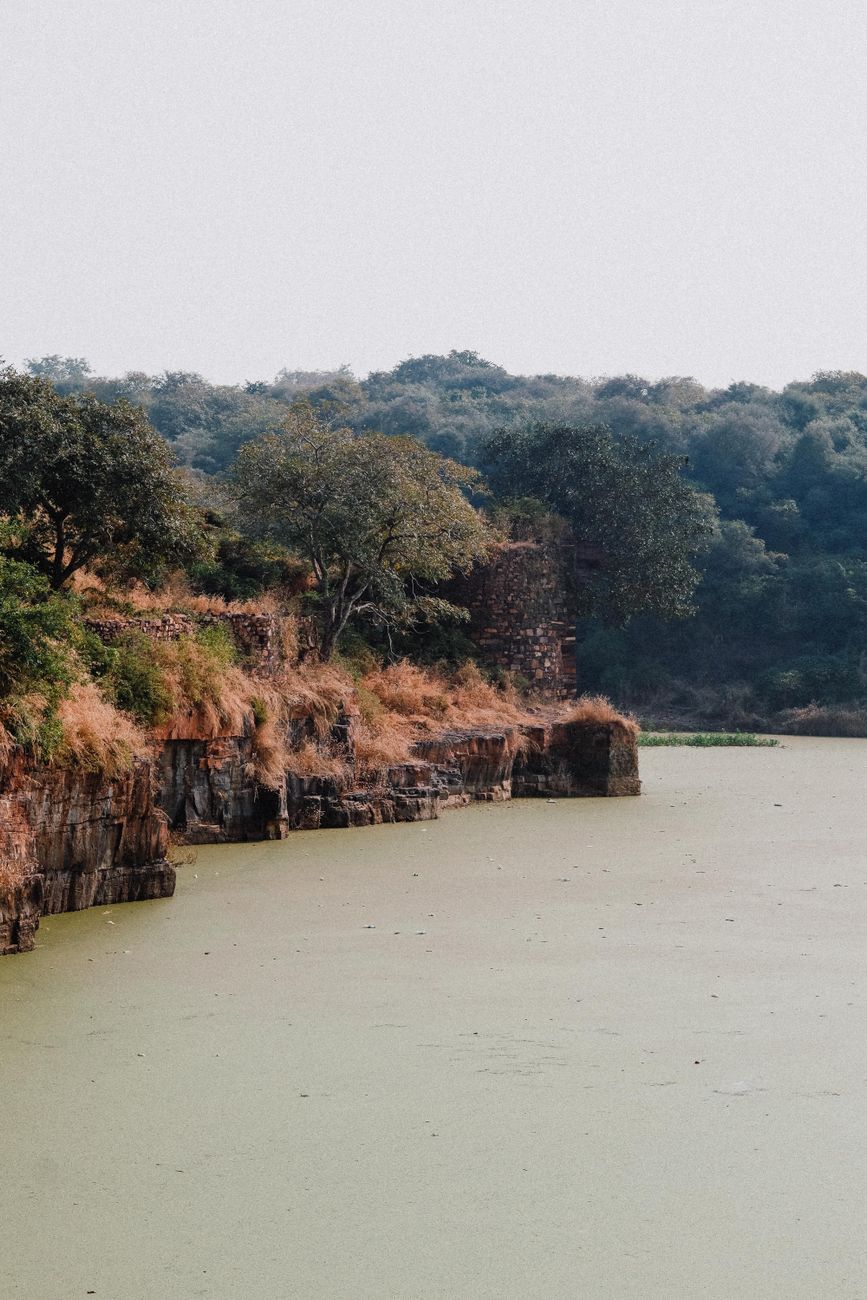
The Ken River, one of central India’s last major free-flowing rivers, has become the focal point of national attention as work progresses on the Ken-Betwa Link Project, India’s first large-scale river interlinking initiative. While the ambitious project promises irrigation, drinking water, and hydropower benefits for millions, scientists, conservationists, and local communities warn that the river sustains one of the country’s most biologically rich freshwater ecosystems, raising concerns over the long-term ecological costs of altering its natural flow.**
The Rs 44,605-crore Ken-Betwa Link Project is designed to transfer water from the Ken River basin in Madhya Pradesh to the water-scarce Betwa basin in Uttar Pradesh’s Bundelkhand region. Through the construction of the Daudhan Dam, an extensive network of canals, and tunnels, the project aims to irrigate approximately 10.62 lakh hectares of agricultural land, provide drinking water to nearly 62 lakh people, and generate around 130 MW of hydropower.
The project has long been presented as a solution to chronic water shortages in Bundelkhand, a region that frequently experiences drought, declining groundwater levels, and agricultural distress. However, as construction advances, increasing attention is being drawn to the ecological significance of the Ken River and the potential consequences of modifying one of central India’s few remaining free-flowing river systems.
Originating in the Kaimur Hills of Madhya Pradesh, the Ken River flows approximately 427 kilometres before joining the Yamuna River near Fatehpur in Uttar Pradesh. It is the last major tributary to merge with the Yamuna before the river continues its journey towards the Ganga.
Unlike many rivers across India that have been extensively regulated through dams, barrages, and embankments, the Ken continues to follow its natural seasonal flow. Every monsoon, floodwaters replenish floodplains, transport nutrient-rich sediments downstream, recharge wetlands, and reshape riverbanks. During the dry summer months, deep pools formed along the river become essential refuges for fish, crocodiles, turtles, and other aquatic species.
These natural seasonal cycles support an intricate ecological network that has evolved over thousands of years. Scientists consider the uninterrupted flow of the Ken one of its greatest ecological strengths, allowing natural river processes to sustain biodiversity throughout the basin.
One of the river’s most striking geographical features is the spectacular sandstone gorge it has carved through the Bijawar-Panna hills. Stretching nearly 60 kilometres and reaching depths of around 180 metres in some places, the gorge is characterised by steep rocky cliffs, waterfalls, seasonal streams, and deep pools that create a remarkable diversity of habitats.
The river also flows through the UNESCO-recognised Panna Biosphere Reserve, making it central to one of India’s most important protected landscapes.
The health of the Panna Tiger Reserve is closely linked to the Ken River. The reserve, internationally recognised for its successful tiger reintroduction programme launched in 2009, depends heavily on the river throughout the year. During the scorching summers of Bundelkhand, when much of the surrounding landscape dries up, the Ken becomes the principal source of water for tigers, leopards, sloth bears, wolves, hyenas, chital, sambar, nilgai, and numerous smaller mammals.
The surrounding forests, dominated by tropical dry deciduous vegetation, include species such as palash, Boswellia, acacia, and albizia, while pockets of moist deciduous and subtropical forests occur in areas receiving relatively higher rainfall. Botanical surveys have documented at least 81 plant species across the Ken riverscape, reflecting the region’s rich floral diversity.
The river is equally important for freshwater biodiversity.
Among its most notable inhabitants is the Critically Endangered gharial, one of the world’s rarest crocodilian species, which depends on clean, free-flowing rivers for survival. The basin also supports populations of the Vulnerable mugger crocodile and has recorded the presence of the Endangered Gangetic river dolphin in several stretches.
The Ken’s waters sustain more than 110 species of freshwater fish, including threatened species such as the Endangered magur catfish and the Near Threatened Indian mottled eel. Healthy fish populations, in turn, support crocodiles, otters, birds, and local fishing communities that rely on the river for their livelihoods.
The river’s ecological importance extends beyond its waters. The towering sandstone cliffs surrounding the Ken provide one of central India’s most significant nesting habitats for vultures. Populations of Critically Endangered white-rumped vultures, Indian vultures, and red-headed vultures continue to breed along these cliffs despite catastrophic declines across the Indian subcontinent.
Birdlife along the river is exceptionally diverse. Surveys have documented at least 41 bird species inhabiting the river corridor, including kingfishers, river terns, raptors, and numerous migratory birds that arrive during winter. The mosaic of forests, wetlands, rocky escarpments, and open river channels creates ideal habitats for a wide variety of resident and migratory wildlife.
Ecologists emphasize that the Ken performs several ecosystem functions that are difficult to quantify but are essential for maintaining landscape health. Seasonal floods transport sediments that replenish downstream habitats and improve soil fertility. Riparian forests stabilise riverbanks, reduce erosion, and provide breeding and feeding habitats for numerous species. The uninterrupted river also enables the movement of fish between breeding and feeding grounds while maintaining ecological connectivity between forests that allow wildlife to disperse naturally across the landscape.
Beyond its ecological significance, the Ken River also holds considerable cultural and historical value. Traditionally known as Karnavati, the river features prominently in regional folklore and flows past the scenic Pandav Falls, a site associated with legends from the Mahabharata. The surrounding hills also preserve prehistoric rock paintings, indicating that human communities have lived alongside the river for thousands of years.
Despite its ecological richness, the Ken now faces unprecedented transformation through the river-linking project.
Scientific assessments, including studies conducted by the Wildlife Institute of India and the National Centre for River Research, indicate that the proposed Daudhan reservoir could submerge approximately 258 square kilometres of habitat within the Panna Tiger Reserve. These areas include forests used by tigers, breeding sites for vultures, and habitats supporting numerous mammals, reptiles, and birds.
Researchers have also warned that altering the river’s natural flow through dams and associated infrastructure may disrupt sediment transport, change water quality, fragment aquatic habitats, and affect fish migration. Such changes could have cascading ecological impacts extending far beyond the immediate project area.
The project has also generated social concerns. Tribal communities and farmers living within the affected areas have staged protests seeking transparent land acquisition processes, detailed land surveys, adequate compensation, and comprehensive rehabilitation before displacement occurs. Many residents argue that their livelihoods, cultural ties, and dependence on forests and the river should be fully considered during project implementation.
Supporters of the Ken-Betwa Link Project maintain that it represents a landmark investment in water security for Bundelkhand and is essential for addressing chronic drought, improving agricultural productivity, expanding irrigation, and ensuring drinking water supplies for millions of people. They view the project as a critical component of India’s long-term water resource management strategy.
At the same time, environmental experts caution that the Ken River represents one of India’s most intact freshwater ecosystems, where free-flowing water continues to sustain forests, wildlife, and ecological processes that have remained largely undisturbed for centuries.
As India moves forward with its first major river-linking initiative, the Ken River has become a symbol of the complex challenge of balancing development with environmental conservation. The decisions made today will not only shape the future of one river but could also influence how future water infrastructure projects are planned across the country, determining whether ecological integrity and developmental priorities can coexist in one of India’s most biologically significant landscapes.


 PARYAWARAN
Leave a comment