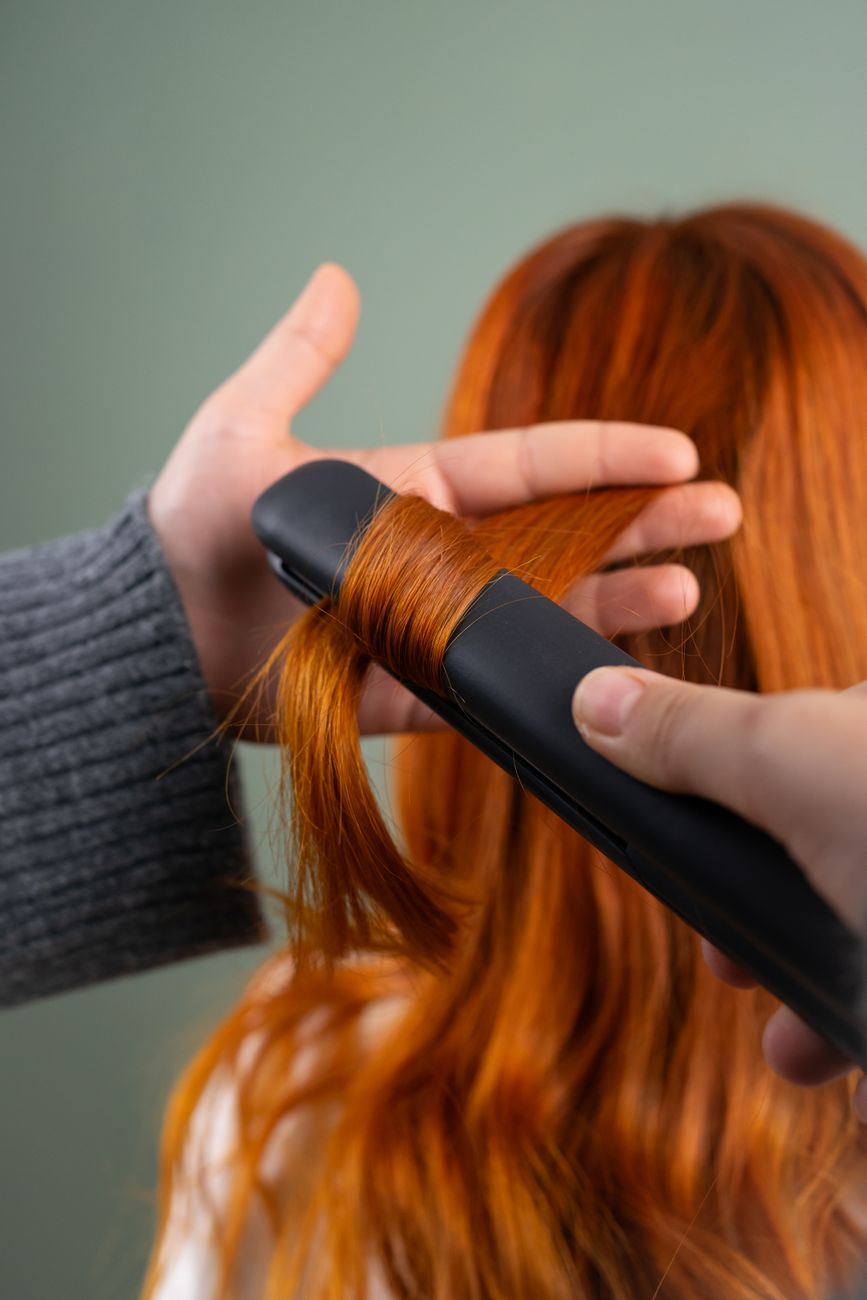
A growing body of scientific evidence is drawing attention to the health risks associated with popular hair straightening treatments used in homes and salons worldwide. A recent review published in Current Environmental Health Reports found that widely used chemical hair straighteners—including hair relaxers and keratin treatments—contain multiple classes of potentially harmful substances linked to serious health concerns.
The review examined findings across 21 studies and reports and concluded that both categories of hair straightening products expose users and salon workers to a complex mixture of chemicals associated with cancer risk, hormone disruption and other adverse health outcomes.
Hair straightening products have long been marketed as convenient solutions for achieving smooth, manageable hair. Their popularity spans age groups and regions, supported by a global beauty industry that continues to promote chemical-based treatments as part of everyday grooming and professional styling. However, researchers suggest that the convenience and cosmetic appeal of these products may come with hidden costs.
Among the most concerning findings was the repeated detection of formaldehyde in keratin-based treatments. Formaldehyde is a well-established carcinogen and has been associated with respiratory irritation, headaches and increased cancer risk following prolonged exposure. In salon settings, exposure may intensify because heat from blow dryers and flat irons can release chemical vapors into the air during application.
The review found that formaldehyde was the most commonly identified hazardous chemical in keratin treatments. Although some products are marketed as formaldehyde-free, researchers note that certain ingredients may still release formaldehyde during use, creating exposure risks even when labels do not explicitly list the substance.
Hair relaxers presented a different but equally concerning chemical profile. Researchers identified fragrance ingredients as the most frequently occurring chemicals of concern in these products. Unlike many ingredients that must be listed individually, fragrance formulas are often protected as trade secrets, allowing manufacturers to avoid disclosing their full chemical composition.
This lack of transparency has emerged as a significant concern because fragrance mixtures may contain compounds known to interfere with the body’s hormonal systems. The review highlighted the presence of endocrine-disrupting chemicals (EDCs), including phthalates and parabens, in many hair relaxers.
Endocrine disruptors can interfere with hormone signaling and have been linked in previous studies to reproductive health concerns, developmental effects and other long-term health outcomes. Researchers emphasized that repeated exposure to multiple chemicals over time remains poorly understood and may produce cumulative effects that are difficult to measure.
Heavy metals were also identified across some products reviewed. Although exposure levels may vary depending on formulation and frequency of use, concerns remain about repeated contact through scalp absorption, inhalation and occupational exposure.
Salon workers appear to face especially elevated risks. Studies included in the review found that professionals who regularly handled these products had higher levels of certain toxic chemicals in their urine by the end of their work shifts. This finding suggests that occupational exposure can occur through inhalation of airborne chemicals, direct skin contact and repeated handling over extended periods.
The issue extends beyond individual consumer choice and enters broader discussions about environmental health and social equity. Researchers noted that patterns of chemical exposure linked to hair straightening products are not distributed equally across populations.
For generations, social norms and beauty standards have influenced the widespread use of hair straightening products among communities seeking to align with professional, social or cultural expectations. These pressures have contributed to disproportionate chemical exposure among Black and Latina women, as well as among salon workers, many of whom are women from marginalized communities.
The review argues that reducing these exposures requires more than personal awareness. Researchers point to the need for upstream interventions that address systemic drivers of exposure, including stronger chemical regulation, increased ingredient transparency and safer product development.
Public health experts are also calling for community-led approaches that involve consumers, workers and local organizations in designing solutions and advocating for healthier alternatives.
The findings add to growing international scrutiny of chemicals used in beauty and personal care products. As scientific understanding evolves, experts suggest that stronger oversight and improved disclosure practices may become increasingly important for reducing health risks associated with everyday cosmetic use.
The review ultimately highlights a broader challenge facing modern consumer markets: balancing product innovation and personal choice with greater accountability for long-term human and environmental health.




 PARYAWARAN
Leave a comment