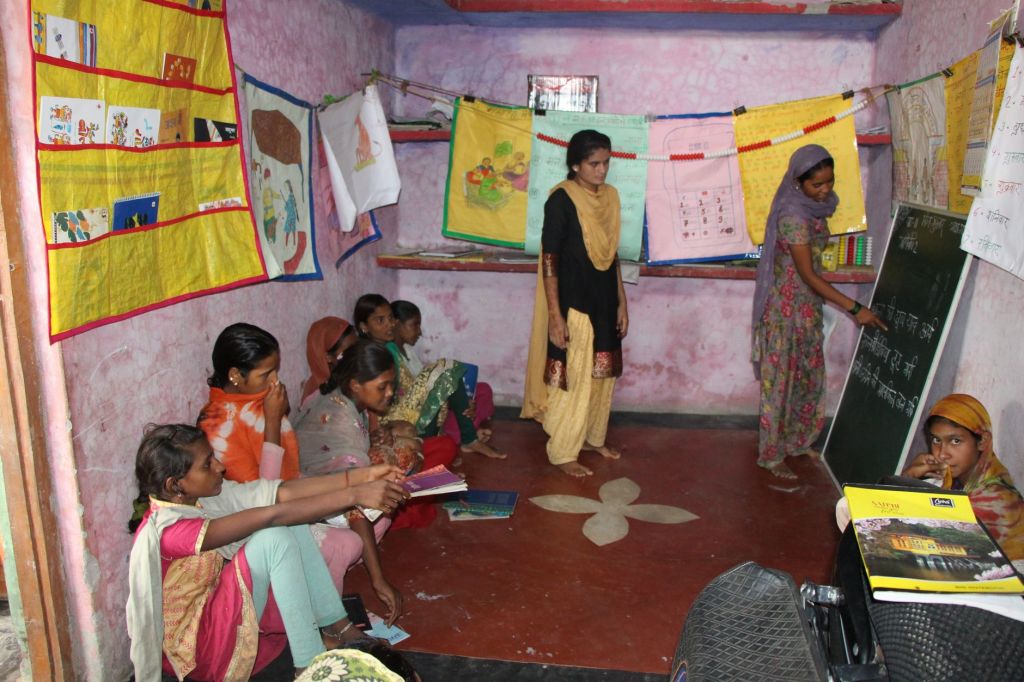
As climate change intensifies across the globe, experts are calling on higher education institutions to move beyond greener campuses and carbon reduction targets toward a more community-centered role. The concept, described as the creation of “climate commons,” emphasizes universities as trusted public institutions where scientific knowledge, local experience, and community decision-making come together to reduce climate risks before disasters occur.
The idea has gained attention following recent discussions in higher education that argue universities should serve not only as centers of teaching and research but also as active partners in climate resilience. Supporters of the approach say that for countries experiencing frequent floods, droughts, heat waves, and storms, climate knowledge must become practical, accessible, and useful for the people most vulnerable to these threats.
Rather than focusing solely on sustainable buildings or environmentally friendly curricula, the climate commons model promotes long-term partnerships between universities and local communities. These partnerships can include community advisory groups, shared climate data platforms, student fieldwork, disaster preparedness programs, and collaborations with local governments, schools, health workers, farmers, and civil society organizations.
India offers several examples of how universities and research institutions are already contributing to this vision. The Indian Institute of Technology (IIT) network has developed climate modeling, flood forecasting, and renewable energy research that supports government planning and public safety. During periods of extreme rainfall and flooding, researchers have collaborated with state agencies to improve early warning systems and disaster preparedness.
Agricultural universities across India have also become important sources of climate information for farmers facing increasingly unpredictable weather. Institutions such as Punjab Agricultural University and Tamil Nadu Agricultural University provide training on drought-resistant crop varieties, water-efficient irrigation techniques, and climate-smart farming practices. Through agricultural extension services, researchers work directly with farming communities, helping them translate scientific findings into practical decisions that protect livelihoods and food security.
In Kerala, universities and scientific organizations have partnered with local governments after devastating floods to improve watershed management, strengthen disaster risk assessments, and educate communities about climate adaptation. Students frequently participate in field surveys, environmental restoration projects, and awareness campaigns, allowing academic learning to directly benefit society.
Across Africa, universities are also demonstrating how climate knowledge can be shared through partnerships rather than remaining within academic institutions. In Kenya, researchers have worked with pastoralist communities to combine satellite weather information with indigenous knowledge, helping livestock farmers prepare for droughts and changing rainfall patterns. These collaborations recognize that scientific expertise and traditional knowledge can complement each other in building resilience.
South Africa provides another example through universities that collaborate with municipalities on water management and climate adaptation planning. Following severe drought conditions in Cape Town, researchers supported local authorities by studying water conservation strategies, public communication, and urban resilience. University scientists also engaged with communities to explain climate risks and encourage sustainable water use during the crisis.
In West Africa, regional climate centers and universities have partnered with farmers to improve access to seasonal weather forecasts. In countries such as Ghana and Senegal, agricultural extension programs translate complex climate information into local languages, enabling farmers to make better decisions about planting, irrigation, and harvesting. These efforts have demonstrated that accessible climate information can reduce economic losses while strengthening food security.
Public health has also become an important part of the climate commons concept. African universities increasingly collaborate with health agencies to monitor the spread of climate-sensitive diseases such as malaria and dengue, while developing community education programs that prepare vulnerable populations for heat waves and changing environmental conditions.
Education specialists argue that these initiatives represent more than outreach activities. They create enduring relationships in which universities become trusted partners in public decision-making. Students gain practical experience by working alongside communities, while local residents contribute valuable knowledge about environmental change that strengthens academic research.
Advocates believe that the climate commons approach is particularly important in developing countries, where climate hazards are becoming everyday realities. By integrating research, education, and public engagement, universities can help transform scientific discoveries into timely action that protects lives and livelihoods.
Experts note that successful climate adaptation depends not only on generating knowledge but also on ensuring that people can understand, trust, and apply it. This requires sustained collaboration rather than one-time projects or occasional public forums.
As climate challenges continue to grow, many observers believe universities have an opportunity to redefine their role in society. Beyond producing graduates and scientific publications, they can become institutions that connect evidence with action, strengthen public trust, and empower communities to prepare for an uncertain future. Through the development of climate commons, higher education may become one of the most effective bridges between climate science and everyday resilience.


 PARYAWARAN
Leave a comment