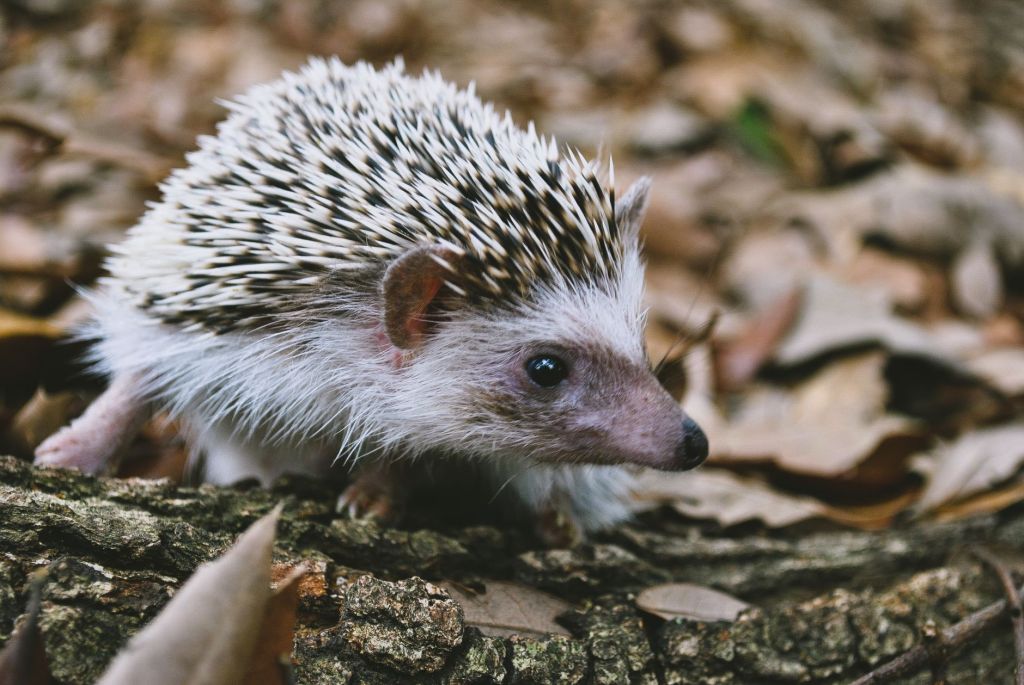
A new study has raised concerns about an unexpected pathway through which microplastics may be entering wildlife ecosystems – commercially available pet food. Researchers investigating plastic contamination in European hedgehogs found evidence suggesting that food provided by people in gardens and wildlife rehabilitation centres could be contributing to microplastic ingestion among wild animals.
The investigation began after researchers analysed hedgehog droppings collected from residential gardens and rehabilitation facilities across the United Kingdom. Out of 189 faecal samples examined, nearly one in five contained traces of plastic. The findings marked one of the first indications that European hedgehogs, a species now classified as near threatened in Britain, are ingesting microplastics in measurable quantities.
The discovery prompted further investigation into possible sources of contamination.
Initially, researchers focused on the natural diet of hedgehogs, which mainly consists of invertebrates such as beetles, slugs, snails, caterpillars, earthworms and woodlice. Thousands of invertebrate and soil samples were collected and analysed from dozens of sites across Sussex in southern England. The results showed that plastic particles were widespread across multiple species and habitats, confirming that environmental contamination could expose hedgehogs through natural feeding behaviour.
However, the team also turned attention to another increasingly important component of hedgehog diets – supplementary food supplied by humans.
Previous studies have shown that food left out in residential gardens is a major reason why hedgehogs regularly visit urban and suburban spaces. In some cases, particularly during autumn and winter, hedgehogs appear to have become dependent on these food sources. Wildlife rehabilitation centres similarly rely on prepared feeds while caring for injured or recovering animals.
These feeding practices commonly involve commercially sold cat food, dog food or specialised hedgehog feed.
To determine whether such products contained microplastics, researchers conducted an assessment of 38 pet food brands available on the market. The products represented a range of price categories, including premium and value options, and covered both wet and dry formulations intended for cats, dogs and wild hedgehogs.
For each product, six retail units were purchased and randomly sampled from tins, trays, sachets or bags. Small portions from each unit were then examined for signs of plastic contamination.
The results revealed that microplastics were present in 29 of the 38 products tested. In almost half of those products, contamination appeared consistently across multiple retail units, indicating that the particles were not isolated incidents but potentially linked to production or supply processes.
Price category also appeared to matter. Products classified in the lower-cost or “value” segment showed a greater number of positive samples.
Researchers observed differences between food formats as well. Dry foods contained more microplastic particles per gram of product. However, because animals generally consume much larger quantities of wet food, wet products may contribute more significantly to overall intake.
Based on average contamination levels detected in wet dog food, the study estimated that a large domestic dog could consume more than 300 microplastic particles per day.
When compared with previous studies examining contamination in food intended for people, pet food appeared to contain relatively higher concentrations of microplastics.
One possible explanation offered by researchers relates to ingredient composition and quality. Products containing animal-derived ingredients showed particularly frequent contamination. Most of the tested products containing animal derivatives recorded at least one plastic-positive sample, while many showed repeated contamination across multiple units.
Although the study did not examine direct health effects in pets or wildlife, scientists noted growing evidence from laboratory-based research suggesting that microplastic exposure may affect fertility, organ function and overall health in animals.
At present, scientists acknowledge that understanding of long-term impacts remains limited, particularly for domestic animals and wild mammals. However, the widespread presence of plastic particles in processed pet food has prompted calls for precautionary action.
Researchers argue that reducing contamination during food manufacturing could help limit unnecessary exposure. They have also suggested that governments consider introducing mandatory testing for microplastics in processed foods, extending regulatory oversight already applied to other forms of chemical contamination.
The findings add to a growing body of research showing how plastic pollution extends beyond oceans and waterways into everyday consumer products and wildlife feeding practices. For species already facing population pressures, reducing avoidable environmental contaminants may become an increasingly important part of conservation and animal welfare efforts.




 PARYAWARAN
Leave a comment