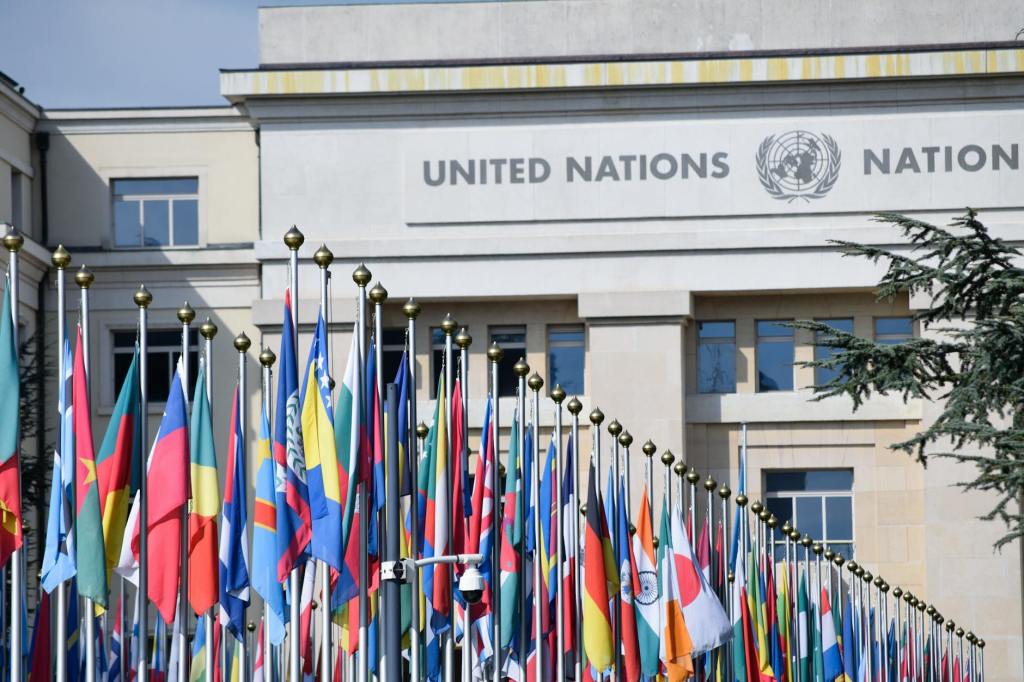
As governments, scientists, and conservation experts convene in Nairobi for the 28th meeting of the Subsidiary Body on Scientific, Technical and Technological Advice (SBSTTA-28), a crucial debate is unfolding over the future of global wildlife governance. At the center of discussions is the first Convention on Biological Diversity (CBD)-wide guidance on the sustainable management of wildlife, a framework that could shape conservation laws, funding priorities, and wildlife management policies across the world for years to come.
The draft guidance, developed under the CBD in collaboration with the Convention on International Trade in Endangered Species of Wild Fauna and Flora (CITES), the Convention on the Conservation of Migratory Species of Wild Animals (CMS), and other partners, is intended to strengthen wildlife governance while supporting implementation of the Kunming-Montreal Global Biodiversity Framework.
Although the initiative seeks to promote inclusive decision-making, equitable benefit-sharing, and respect for different knowledge systems, conservation observers have raised concerns that the guidance could unintentionally legitimize harmful wildlife exploitation if key definitions remain vague.
The principal concern revolves around the interpretation of “sustainable wildlife management” and “sustainable use.” While these concepts have traditionally focused on maintaining wildlife populations and habitats alongside socio-economic benefits, critics argue that ecological sustainability alone is insufficient to determine whether wildlife use is genuinely acceptable.
According to conservation experts, sustainability should not be measured solely through population trends, harvest quotas, or economic returns. Wildlife populations may remain stable while individual animals continue to experience significant suffering during capture, transport, confinement, and commercial trade. Similarly, legal trade does not necessarily ensure ethical practices, effective enforcement, or transparent supply chains.
Observers warn that if the new global guidance allows wildlife use to be labeled “sustainable” without explicit welfare safeguards and enforceable standards, it could provide international legitimacy to practices that continue to harm wildlife under the appearance of responsible management.
The issue is particularly significant in relation to the international trade in live wild animals, including the exotic pet industry. Conservation research has shown that even legally traded wildlife can experience high mortality after capture and transport. Weak traceability systems and inadequate enforcement may also allow illegally sourced wild animals to enter legal markets under false claims of captive breeding.
Experts caution that broad language within international guidance may later be interpreted to justify expanded wildlife trade rather than stricter conservation measures. They argue that global standards require clearly defined thresholds, including circumstances under which wildlife use should not be permitted, instead of relying on general principles open to differing interpretations.
The drafting process itself reflects the complexity of wildlife governance. The CBD guidance has been prepared through consultations involving governments, Indigenous Peoples, local communities, scientists, conservation organizations, and industry representatives. While many participants advocate coexistence-based conservation and non-lethal wildlife management, others support continued sustainable use of wildlife resources.
This diversity of perspectives has intensified calls for stronger language to prevent economic interests from outweighing conservation objectives.
Public health considerations have also become central to the debate, particularly in the aftermath of the COVID-19 pandemic. Scientists continue to emphasize that wildlife trade presents opportunities for pathogens to move between species and across geographic regions, increasing the potential for future disease outbreaks.
International assessments have identified hundreds of thousands of live animals traded legally under CITES that belong to species capable of carrying significant zoonotic diseases. Poor welfare conditions—including overcrowding, stress, injuries, and unsanitary confinement—not only raise ethical concerns but also increase disease risks by weakening animals’ immune systems and facilitating pathogen transmission.
Conservation specialists argue that wildlife management guidance must recognize the close relationship between animal welfare, biodiversity conservation, and public health. They warn that legal or regulated trade should not automatically be considered safe or sustainable simply because it complies with existing regulatory systems.
Instead, they recommend that sustainability assessments incorporate broader ecological resilience alongside disease prevention and welfare standards.
Experts have proposed several principles that they believe should strengthen the final guidance before it is presented to the 17th Conference of the Parties (COP17) in Armenia for adoption.
First, wildlife use should only occur when ecosystems remain healthy, populations are securely above recovery thresholds, and species demonstrate long-term resilience rather than short-term stability. Historical examples, including the collapse of major fisheries despite scientific management, illustrate the risks of relying solely on population estimates without considering wider ecosystem health.
Second, conservation decisions should follow the precautionary principle. Where reliable information about ecological impacts, animal welfare, disease risks, or cumulative environmental pressures is lacking, wildlife use should proceed only after risks have been adequately assessed and managed.
Third, stronger requirements for traceability, monitoring, enforcement, and animal welfare should accompany any activities involving wildlife use or trade. Supply chains must be transparent enough to distinguish legally sourced animals from illegally captured wildlife, while minimizing suffering throughout capture, transport, housing, and handling.
Finally, conservation experts argue that successful wildlife management should prioritize coexistence over extraction wherever possible. Community-led conservation initiatives, non-lethal approaches to human-wildlife conflict, payments for ecosystem services, wildlife tourism that benefits local communities, improved livestock protection, and rapid-response conflict mitigation programs are increasingly viewed as viable alternatives that reduce pressure on wildlife while supporting rural livelihoods.
Supporters of stronger safeguards acknowledge that wildlife management varies considerably across regions and cultures. Many Indigenous Peoples and local communities have managed wildlife sustainably for generations while balancing livelihoods with conservation. However, they emphasize that clear international safeguards are essential to ensure that genuine community-based management is not confused with commercial exploitation operating under the label of sustainability.
Although SBSTTA-28 will not make the final decision on the guidance, its recommendations will heavily influence negotiations at COP17. Once technical language is finalized and forwarded to the Conference of the Parties, substantial changes become considerably more difficult.
The outcome of the Nairobi meeting could therefore determine how governments worldwide interpret sustainable wildlife management for the coming decade. Conservation experts argue that the final guidance must clearly define ecological limits, strengthen animal welfare protections, improve disease prevention measures, and establish enforceable safeguards. Without these measures, they warn, the concept of “sustainable use” risks becoming a broad label that legitimizes exploitative practices instead of serving as a robust framework for protecting wildlife, ecosystems, and human health.



 PARYAWARAN
Leave a comment