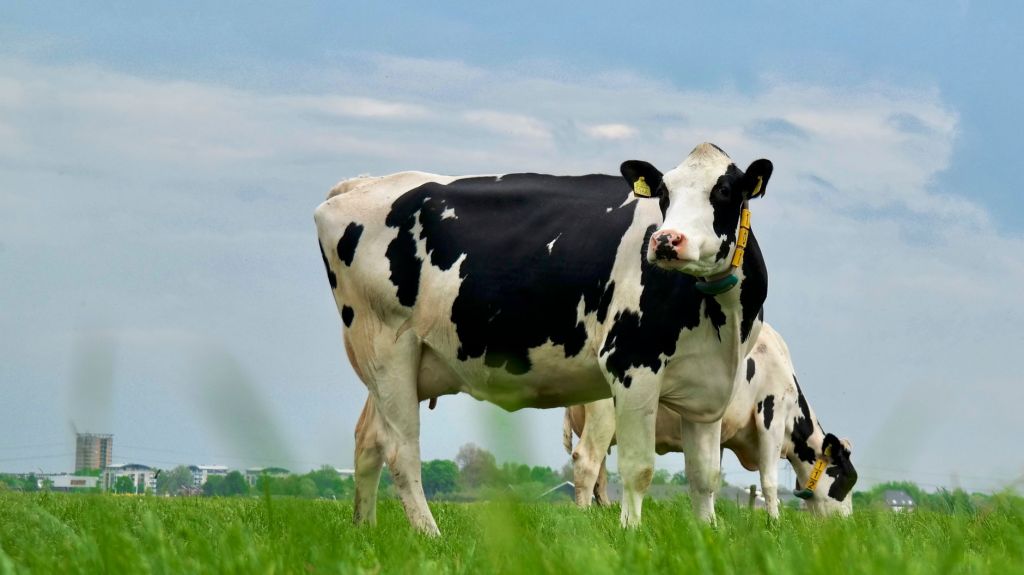
Extreme heat is emerging as a growing challenge for the dairy industry, with new research showing that rising temperatures reduce not only the amount of milk cows produce but also its nutritional quality. The findings highlight another economic consequence of climate change for dairy farmers, as declining milk fat and protein levels directly affect farm income and increase pressure on producers already coping with higher operating costs.
The study, published in Environmental Research Letters, analyzed data from more than 6.5 million dairy cows across the United States between 2007 and 2016. Researchers found that exposure to high temperatures and humidity consistently lowered milk quality, even during periods that would not typically be considered extreme heat. While previous studies have focused primarily on falling milk yields during heat waves, the latest research indicates that milk composition also deteriorates as thermal stress increases.
The decline in fat and protein content has significant financial implications because dairy farmers are often paid based on these nutritional components rather than milk volume alone. Even modest reductions in quality can translate into lower earnings, particularly during prolonged periods of hot and humid weather.
Scientists observed that the effects of heat stress occurred across different regions and farm sizes. Although milk production dropped sharply during intense heat events, milk quality showed a more gradual decline, suggesting that cows experience physiological stress even under moderately warm conditions. The findings indicate that climate-related impacts on dairy farming may begin earlier and last longer than previously understood.
Heat stress affects cows by making it more difficult for them to regulate body temperature. Dairy cattle naturally generate considerable internal heat during digestion and milk production. When outdoor temperatures and humidity rise, animals eat less, consume more water, and redirect energy toward cooling themselves instead of producing milk. As a result, both productivity and milk composition suffer.
To reduce heat stress, many dairy farms have invested in cooling systems such as fans, sprinklers, misting equipment, and improved ventilation. These technologies help lower body temperatures and reduce production losses during hot weather. However, installing and operating cooling systems requires substantial financial investment, making them more accessible to large commercial dairy operations than to smaller family-owned farms.
Researchers warn that this difference in financial capacity may accelerate consolidation within the dairy sector. Larger farms are generally better positioned to absorb the costs of climate adaptation, while smaller producers may struggle to invest in cooling infrastructure and remain competitive. As temperatures continue to rise, the economic gap between large and small dairy operations could widen further.
Experts also noted that breeding programs aimed at increasing milk production and improving fat and protein content may face new challenges. For decades, dairy genetics have focused on maximizing productivity. However, animals selected primarily for high milk output may be less capable of tolerating prolonged heat. Future breeding strategies may need to place greater emphasis on heat resilience alongside production traits to ensure sustainable dairy farming under changing climate conditions.
Climate scientists say the findings underscore the growing vulnerability of agriculture to global warming. Dairy farms have traditionally been concentrated in regions with relatively cool climates, but increasing temperatures and humidity are exposing more farms to heat-related risks. Areas that historically experienced only occasional heat stress are now expected to face longer and more frequent periods of high temperatures.
The issue extends beyond milk production alone. Dairy farming also contributes to greenhouse gas emissions through methane released by cattle, feed production, transportation, and energy use throughout the supply chain. Researchers argue that improving climate resilience should be accompanied by efforts to reduce agricultural emissions, creating food systems that are both environmentally sustainable and economically viable.
Animal welfare is another concern highlighted by the research. Heat stress affects not only milk production but also the comfort and well-being of dairy cattle. Scientists emphasize that reduced milk output may lag behind the animals’ actual experience of heat, meaning cows can endure significant discomfort before measurable production losses become apparent. This has prompted calls for greater attention to welfare indicators alongside economic performance.
Farm workers also face increasing challenges during hotter summers. Employees responsible for feeding, milking, and caring for cattle often work long hours in high temperatures and humid conditions. Cooling systems designed for livestock can generate dust, creating additional health concerns for workers, including eye irritation and respiratory discomfort. Improving workplace conditions has therefore become another important aspect of climate adaptation within the dairy industry.
Despite these challenges, advances in genetics, nutrition, and herd management have steadily improved overall milk quality over recent decades. Researchers believe continued innovation can help offset some of the impacts of climate change, but they caution that adaptation will require sustained investment, improved breeding strategies, and broader support for producers.
As global temperatures continue to rise, the study suggests that protecting dairy production will involve more than maintaining milk volumes. Safeguarding milk quality, animal welfare, and the economic viability of farms will become increasingly important as the dairy industry adapts to a warmer and more unpredictable climate.


 PARYAWARAN
Leave a comment