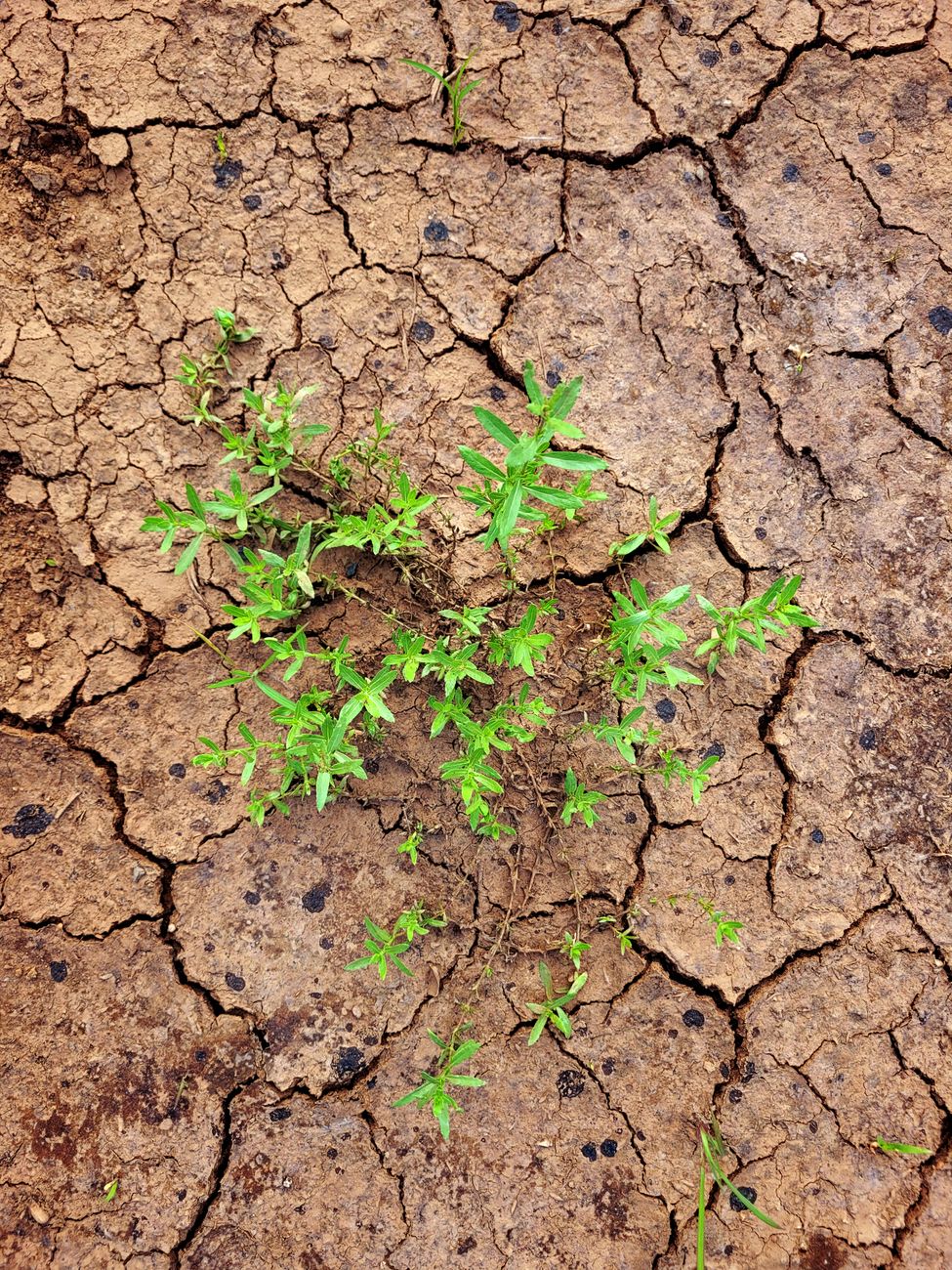
Climate change is no longer a distant environmental threat. Extreme heat, floods, wildfires, droughts, storms and ecosystem collapse are increasingly shaping everyday life across continents. As the planet warms, governments and communities are being forced to confront a difficult question: how resilient can societies remain as climate risks become more frequent, severe and unpredictable?
The challenge is particularly stark because resilience cannot simply mean learning to survive one disaster after another. It also requires reducing the forces driving climate change while protecting forests, wetlands, rivers, agricultural landscapes and other natural systems that help communities withstand climatic shocks.
The global response, however, remains deeply uneven.
United States: A struggle between climate action and retreat
The United States remains one of the world’s largest historical contributors to greenhouse-gas emissions, but it also possesses enormous technological, financial and natural resources for addressing the climate crisis.
The country has expanded renewable energy, electric vehicles, battery storage and climate-related investment in recent years. At the same time, political changes have repeatedly altered the direction of federal climate policy. Efforts to expand fossil-fuel production, weaken environmental safeguards and reduce support for some clean-energy initiatives have raised concerns among scientists and environmental organisations.
This creates a complicated picture of resilience. American cities are investing in heat-response programmes, flood protection, wildfire preparedness and climate-resilient infrastructure, even as national policy remains contested.
The country’s experience demonstrates that resilience is not simply about responding to climate disasters. It is also about whether governments are willing to address the underlying causes of increasing climate risks.
China: Rapid clean-energy expansion alongside continued coal dependence
China presents a different model.
The country remains the world’s largest annual emitter of greenhouse gases, with coal continuing to play a major role in its energy system. Yet China has also become a global leader in the deployment and manufacturing of solar panels, wind turbines, batteries and electric vehicles.
Its enormous expansion of renewable energy has transformed global clean-energy markets. At the same time, China continues to approve and operate coal-fired power capacity, partly because of concerns over energy security and economic stability.
China is also investing heavily in climate adaptation. Cities are developing flood-control systems, sponge-city projects and early-warning mechanisms, while agricultural regions are experimenting with crops and practices better suited to changing climatic conditions.
The Chinese experience illustrates one of the central contradictions of the climate era: a country can simultaneously be a major source of emissions and one of the world’s biggest drivers of the clean-energy transition.
Russia: Climate risks in a warming Arctic
Russia faces a particularly complex climate future because of its enormous geography and dependence on ecosystems vulnerable to warming.
The Arctic is warming at a rate considerably faster than the global average. Rising temperatures are contributing to the thawing of permafrost, threatening roads, buildings, pipelines and other infrastructure across northern Russia.
Wildfires have also become a major concern. Vast areas of Siberian forest have experienced increasingly severe fires during hot and dry periods, releasing large quantities of carbon and damaging ecosystems.
For Russia, climate resilience is therefore closely connected to the stability of its northern infrastructure and ecosystems. Permafrost thaw is particularly challenging because it can create a feedback loop: warming causes permafrost to thaw, while the thaw can release greenhouse gases that contribute further to warming.
The Russian example demonstrates how climate change can undermine infrastructure and natural systems simultaneously.
India: Building resilience while protecting development gains
India faces perhaps one of the world’s most complicated climate challenges.
With a population exceeding 1.4 billion, rapidly growing cities, extensive agricultural dependence and large areas exposed to heat, floods, cyclones and drought, climate resilience is directly linked to food security, livelihoods, public health and economic development.
Heatwaves have emerged as a major threat. Northern and central India regularly experience extreme temperatures, while cities face the additional problem of the urban heat-island effect. At the same time, intense rainfall and flooding can cause enormous damage to infrastructure and livelihoods.
India has expanded renewable energy rapidly and has set ambitious targets for increasing non-fossil electricity capacity. Solar power has become an increasingly important component of the country’s energy transition.
But India’s climate response cannot be separated from the development needs of its population. Millions of people still depend on agriculture, forests and natural resources for their livelihoods.
This makes ecosystem protection particularly important.
Forests can reduce local temperatures, regulate water flows, protect soils, store carbon and provide livelihood resources. Wetlands and mangroves can reduce the impact of floods and storms. Healthy landscapes can therefore serve as a form of natural infrastructure.
For India, resilience must mean protecting these ecosystems while ensuring that vulnerable communities have access to climate-resilient housing, healthcare, water, food and livelihoods.
Africa: Climate vulnerability without corresponding responsibility
Africa highlights one of the most difficult dimensions of climate injustice.
The continent has contributed a relatively small share of historical global greenhouse-gas emissions, yet many African countries are among those most vulnerable to climate impacts.
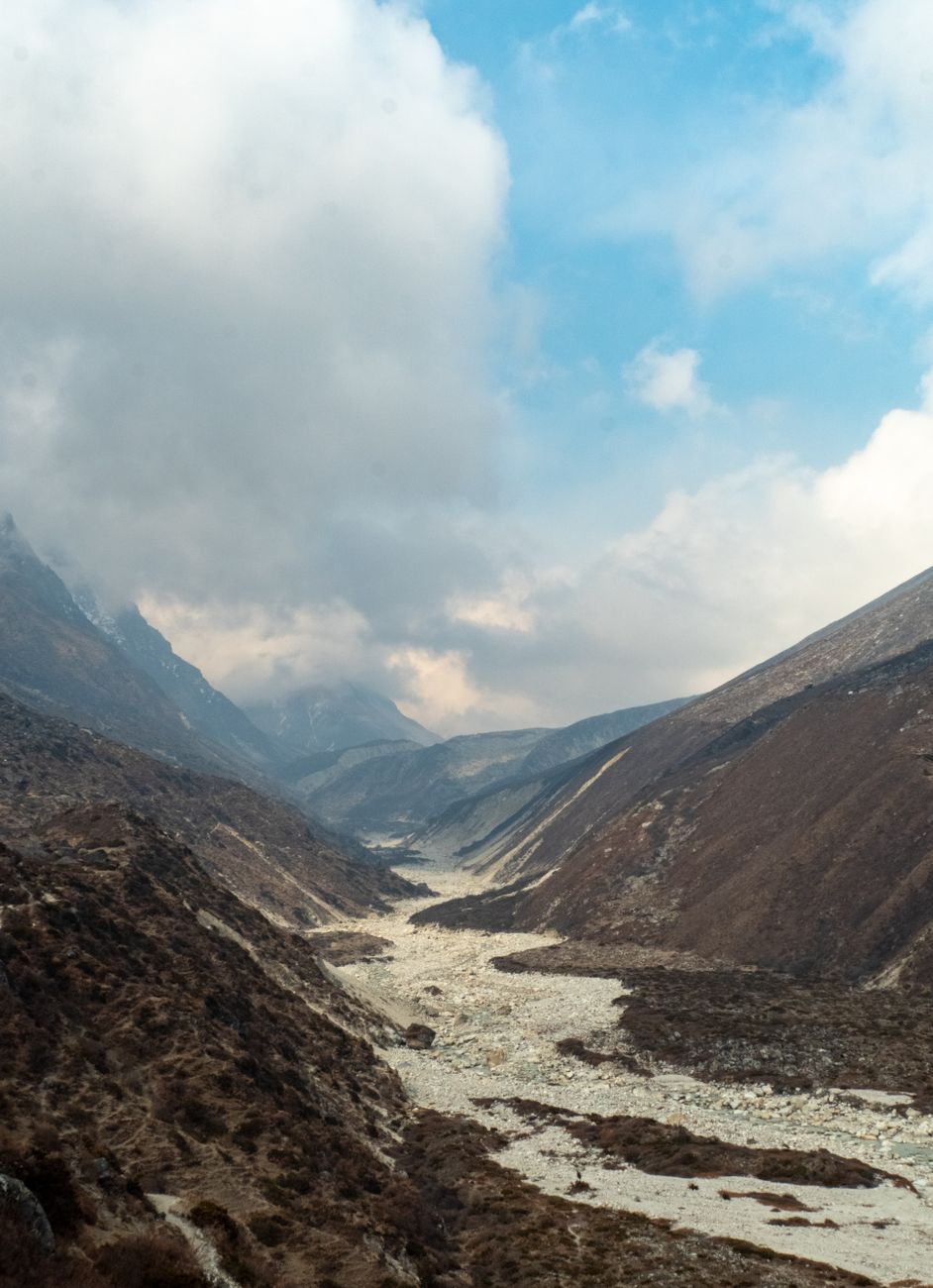
Across the continent, changing rainfall patterns, prolonged droughts, floods, extreme heat and desertification are putting pressure on agriculture and water resources.
The Horn of Africa has experienced devastating droughts, while other parts of the continent have faced destructive floods and increasingly severe storms. In southern Africa, climate variability is placing additional pressure on farming and rural livelihoods.
For many communities, resilience is not an abstract policy concept. It means having enough water when rainfall fails, protecting livestock during drought, maintaining food supplies and finding alternative sources of income when crops are destroyed.
Nature-based solutions are consequently becoming increasingly important. Restoring degraded landscapes, protecting forests and wetlands, improving soil health and strengthening climate-smart agriculture can provide both environmental and economic benefits.
But African nations also face a major financial challenge. Adaptation requires substantial investment, while many vulnerable countries have limited fiscal capacity and already face high debt burdens.
The global resilience gap
The experiences of the United States, China, Russia, India and Africa reveal different versions of the same problem.
Wealthier countries may have greater financial and technological capacity to adapt, but political divisions can slow climate action. Emerging economies are attempting to expand clean energy while meeting rising demand for electricity and development. Countries dependent on fossil fuels face difficult economic choices. Meanwhile, many vulnerable nations are confronting climate impacts despite having contributed comparatively little to the problem.
This creates what can be described as a global resilience gap.
The communities most exposed to climate disasters are often those with the fewest resources to recover. Farmers, Indigenous peoples, coastal communities, informal settlements and low-income households can be particularly vulnerable.
Climate resilience therefore cannot be measured simply by the number of seawalls built, solar panels installed or disaster-response teams deployed. It must also be measured by whether vulnerable people are able to recover without losing their homes, livelihoods, health and social security.
Nature remains one of the world’s strongest defences
As governments debate energy policies and emissions targets, one solution is often overlooked: protecting the ecosystems that already provide climate protection.
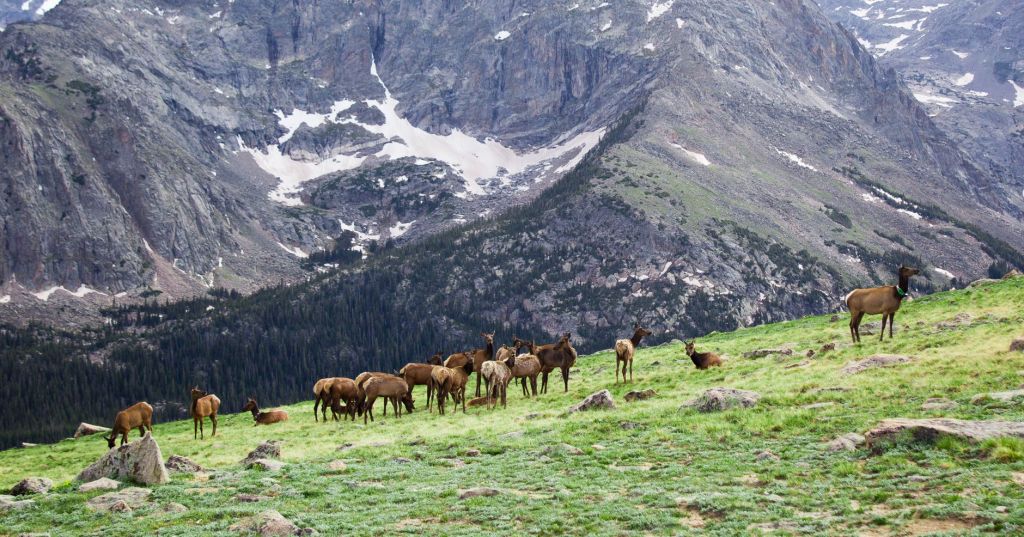
Forests absorb carbon and moderate temperatures. Wetlands store water and reduce flooding. Mangroves protect coastlines from storms and erosion. Grasslands and healthy soils store carbon while supporting agriculture. Rivers and watersheds provide water security.
Yet these ecosystems are under increasing pressure from deforestation, mining, infrastructure development, agricultural expansion and urbanisation.
Climate resilience therefore requires a shift from treating nature merely as a resource to recognising it as essential infrastructure.
A forest is not simply a collection of trees. It is a carbon sink, a water regulator, a temperature moderator, a habitat and, for millions of people, a source of food and income.
Resilience must go beyond survival
The climate crisis is testing the meaning of resilience itself.
For decades, resilience has often been understood as the ability to withstand a shock and return to normal. But in a rapidly changing climate, returning to the old normal may no longer be possible.
The objective increasingly needs to be transformation: building societies, economies and landscapes that are less vulnerable in the first place.
That means reducing fossil-fuel dependence, accelerating renewable energy, protecting forests and biodiversity, redesigning cities, strengthening early-warning systems, climate-proofing agriculture and ensuring that vulnerable communities have the resources to adapt.
The United States, China, Russia, India and African nations are approaching this challenge from very different starting points. None has a perfect model. Each faces competing economic, political and social pressures.
But their experiences point to the same conclusion: climate resilience cannot be achieved through adaptation alone.
A world that continually increases greenhouse-gas emissions while attempting to adapt to their consequences will eventually confront limits to adaptation.
True resilience will depend on doing two things simultaneously — preparing communities for the climate that is already changing and preventing the changes that can still be avoided.
The question is no longer whether humanity can withstand climate chaos.
It is whether governments and societies can act quickly enough to ensure that resilience means more than simply surviving the next disaster.

 PARYAWARAN
Leave a comment