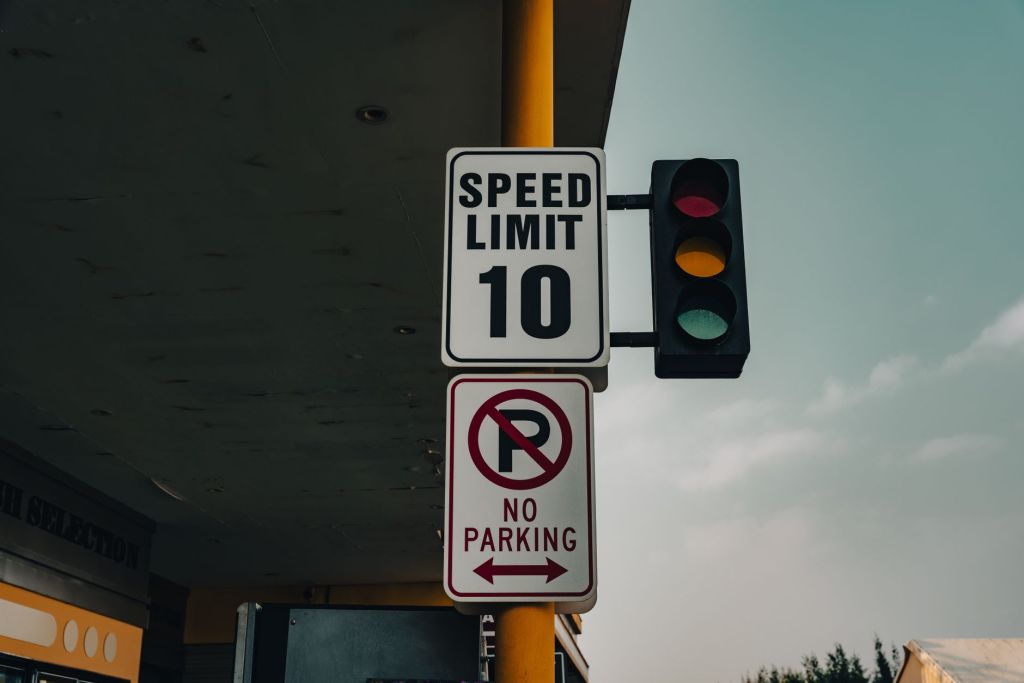
The few seconds motorists save by exceeding speed limits come at an enormous environmental and economic cost, according to a new study that found widespread compliance with posted speed limits could dramatically reduce fuel consumption, carbon emissions, and fuel expenses across the United States.
Researchers from the University of Minnesota estimate that if drivers of gasoline-powered passenger vehicles simply adhered to legal speed limits, the United States could reduce carbon dioxide emissions by an average of 57,000 metric tons every day, while saving 6.7 million gallons of fuel and approximately $22 million in fuel costs daily. Surprisingly, the average driver would lose less than a minute of travel time each day.
The findings challenge a long-held assumption that speeding offers meaningful time savings. Instead, the research demonstrates that while individual gains are minimal, the cumulative environmental and economic consequences are substantial.
The study analyzed more than 120 million real-world trips undertaken by light-duty vehicles—including passenger cars, sport utility vehicles (SUVs), and pickup trucks—across the United States. Using a sophisticated computer model, researchers calculated fuel consumption, energy use, and carbon emissions associated with actual driving behavior before comparing them with a scenario in which drivers never exceeded posted speed limits.
The results paint a striking picture of how millions of seemingly insignificant individual decisions translate into major national impacts.
According to the researchers, driving at higher speeds is inherently inefficient because of the laws of physics. As a vehicle’s speed increases, aerodynamic drag rises disproportionately, requiring the engine to burn significantly more fuel to overcome air resistance. Consequently, even modest increases above the speed limit result in noticeably higher fuel consumption and greater greenhouse gas emissions.
William Northrop, professor of mechanical engineering at the University of Minnesota and a member of the research team, said the findings highlight a practical climate solution that requires neither technological innovation nor expensive investments.
Rather than relying solely on electric vehicles or cleaner fuels, he noted, one of the simplest ways to reduce transportation emissions is for drivers to ease off the accelerator.
Unlike many climate mitigation strategies that depend on replacing infrastructure or adopting new technologies, speed compliance can deliver immediate benefits using existing vehicles and road networks.
Transportation remains one of the largest contributors to greenhouse gas emissions globally, making improvements in driving behavior an important but often overlooked component of emission reduction strategies.
Researchers found that nationwide compliance with speed limits would reduce fuel consumption by approximately 2.4–3 percent, depending on seasonal driving conditions. Although the percentage may appear relatively modest, the aggregate impact is significant because of the enormous number of vehicles on American roads every day.
Over the course of a year, those fuel savings would be equivalent to removing approximately 5.5 million passenger cars from the nation’s roads in terms of their carbon emissions.
The study also examined the central motivation behind speeding—saving time.
Many drivers believe that traveling faster substantially shortens their journeys. However, the analysis revealed that obeying speed limits would increase travel time by only 190 seconds for every 100 miles traveled, translating into an average delay of approximately 54 seconds per driver per day.
The researchers argue that these minimal individual time savings fail to justify the considerable collective environmental burden created by speeding.
Graduate researcher Bharat Jayaprakash, who led much of the analysis, emphasized that the benefits of speeding are statistically negligible for individual motorists, while the cumulative costs to society are exceptionally high.
The researchers describe this imbalance as a classic example of how small behavioral choices, when multiplied across millions of people, can generate large-scale environmental consequences.
The analysis is particularly noteworthy because it relies on actual driving data rather than simulations or theoretical travel models. By examining more than 120 million recorded vehicle trips, the researchers were able to capture realistic patterns of speeding across diverse road types and driving conditions throughout the country.
They also note that their estimates are likely conservative.
The study only evaluated speeding on roads with posted speed limits of 45 miles per hour or higher, excluding many urban streets where aggressive acceleration and speeding also contribute to excess fuel consumption and emissions. Including these roads could potentially increase the estimated environmental benefits of speed compliance.
Although much public attention has focused on electric vehicles (EVs) as a pathway toward decarbonizing transportation, the researchers argue that driving behavior remains an important factor regardless of vehicle type.
To examine this question, the team analyzed electric vehicle travel patterns in California, the only state with sufficient EV data for statistically robust analysis.
The findings indicate that electric vehicles also consume substantially more energy at higher speeds.
If California EV drivers consistently obeyed posted speed limits, they could collectively save approximately 195 megawatt-hours of electricity every day. According to the researchers, that amount of electricity would be sufficient to power 82 electric vehicles for an entire year.
While EVs eliminate tailpipe emissions, they are still subject to the same aerodynamic forces affecting gasoline-powered vehicles. Higher speeds increase energy demand regardless of whether a vehicle is powered by gasoline or electricity.
The researchers therefore argue that responsible driving should remain an integral part of transportation sustainability strategies even as countries transition toward cleaner vehicle fleets.
Beyond environmental benefits, slower driving also offers broader public advantages. Reduced fuel costs can ease household transportation expenses, while lower energy demand decreases pressure on fuel supplies and electricity generation. Speed compliance is also widely associated with improved road safety, reduced accident severity, and lower vehicle wear, creating additional societal benefits not directly measured in the study.
As governments worldwide seek affordable ways to meet climate targets, the findings suggest that behavioral changes may complement technological solutions more effectively than previously recognized.
Unlike infrastructure projects that require years of planning and billions of dollars in investment, obeying speed limits can begin delivering measurable environmental benefits immediately.
The study ultimately reinforces a simple but powerful message: while exceeding the speed limit may make drivers feel as though they are reaching their destinations faster, the actual time saved is remarkably small. Across millions of daily journeys, however, that collective rush exacts a substantial environmental and economic price.
In an era when reducing greenhouse gas emissions has become an urgent global priority, the researchers conclude that one of the most effective climate actions available may already be sitting beneath every driver’s right foot.


 PARYAWARAN
Leave a comment