In a breakthrough that could reshape the future of plastics, researchers in China have developed a biodegradable material derived from bamboo that reportedly matches the strength of conventional petroleum-based plastics while decomposing in a fraction of the time.
Scientists at Nanjing Forestry University say the new material combines durability, recyclability, and environmental sustainability, offering a potential alternative to traditional plastics that can persist in the environment for centuries. If successfully commercialized, the innovation could help address one of the world’s most pressing environmental challenges: plastic pollution.
The world currently produces more than 400 million tonnes of plastic annually, according to international estimates. Much of this plastic ends up in landfills, rivers, and oceans, where it can take hundreds of years to break down. As concerns over plastic waste continue to mount, researchers and industries around the globe have been searching for environmentally friendly substitutes that do not sacrifice performance.
The bamboo-based plastic developed by the Chinese team appears to move a step closer toward that goal.
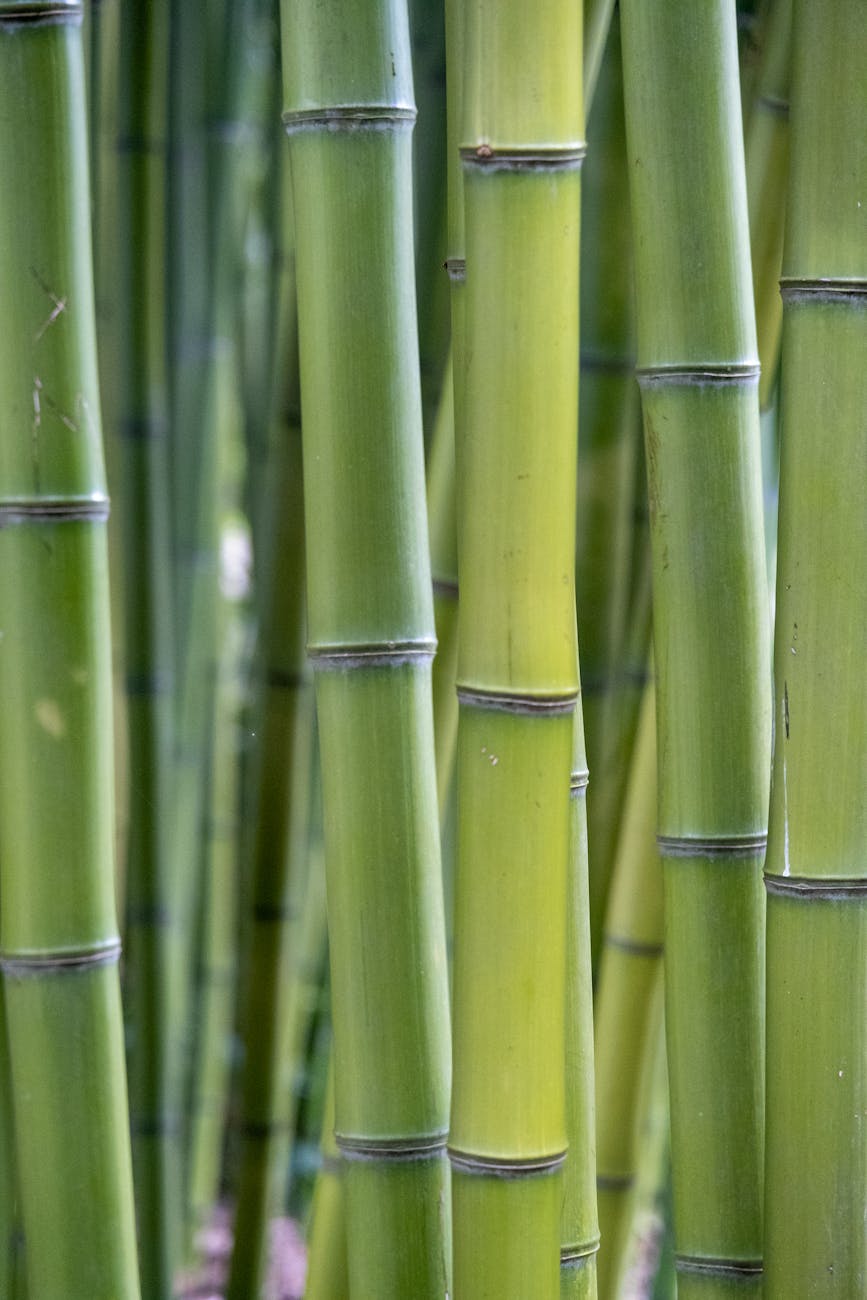
Unlike conventional plastics, which are primarily produced from fossil fuels such as petroleum and natural gas, the new material is made from bamboo, one of the fastest-growing plants on Earth. Some bamboo species can grow up to one metre per day under ideal conditions, making it a highly renewable resource. In addition to its rapid growth rate, bamboo is known for its ability to absorb significant amounts of carbon dioxide from the atmosphere, adding to its environmental appeal.
Researchers report that laboratory testing demonstrated mechanical strength comparable to, and in some cases exceeding, that of several plastics currently used in commercial products. The material also retained approximately 90 percent of its original strength after recycling, suggesting it could support circular manufacturing systems designed to reduce waste and extend material lifespans.
The scientists believe the material could be used across a wide range of industries. Potential applications include food and consumer-product packaging, household items, industrial components, and even selected automotive parts. Such versatility could make the material attractive to manufacturers seeking sustainable alternatives without compromising product performance.
One of the most notable features of the new plastic is its biodegradability. Under specific conditions, the material can reportedly decompose in about 50 days—dramatically faster than conventional plastics, which often remain in the environment for decades or centuries.
Environmental experts have long argued that biodegradable materials could play an important role in reducing plastic accumulation in ecosystems. However, many previous alternatives have faced criticism for being too weak, expensive, or difficult to produce at scale. The new bamboo-derived material seeks to overcome some of these limitations by combining biodegradability with high strength and recyclability.
Despite the promising results, researchers caution that challenges remain before the technology can be deployed commercially on a large scale. The reported 50-day degradation period depends on specific environmental conditions, and additional testing is required to determine how the material performs in different climates, waste-management systems, and real-world applications.
Scaling up production may also present hurdles. Developing a reliable supply chain, ensuring cost competitiveness with petroleum-based plastics, and adapting manufacturing infrastructure are among the factors that will influence whether the innovation can reach mass markets.
Nevertheless, the development reflects a growing global effort to replace fossil-fuel-based materials with renewable alternatives. Governments, businesses, and consumers are increasingly demanding products with lower environmental footprints, creating opportunities for innovations that can reduce dependence on conventional plastics.
As research continues, the bamboo-based material is attracting attention as a potential example of how nature-inspired solutions can address modern environmental challenges. While it is too early to predict whether it will replace traditional plastics on a large scale, the technology demonstrates that sustainable materials can increasingly compete with conventional products in terms of performance.
If future testing confirms its durability, recyclability, and biodegradability under real-world conditions, bamboo may emerge as an unlikely but powerful ally in the global fight against plastic pollution—offering a glimpse of a future where one of the world’s fastest-growing plants helps solve one of its fastest-growing environmental problems.




 PARYAWARAN
Leave a comment