The world’s most disruptive climate phenomenon is back—and scientists fear it could become one of the strongest and most destructive El Niño events ever recorded, unleashing a cascade of extreme weather disasters across the globe.
The United States National Oceanic and Atmospheric Administration (NOAA) has officially declared the arrival of El Niño, a natural warming of the equatorial Pacific Ocean that alters weather patterns worldwide. But this year’s event is unfolding against the backdrop of a planet already supercharged by human-caused climate change, raising fears of unprecedented impacts.
Meteorologists warn that the developing El Niño could rival—or even surpass—the infamous 1997-98 event, one of the most powerful in recorded history, which triggered catastrophic floods, droughts, heatwaves, storms and wildfires across multiple continents, causing billions of dollars in economic losses.
NOAA estimates a 63 percent probability that the current El Niño will rank among the strongest events recorded since 1950.
For climate scientists, the message is clear: the world is entering a period of heightened climate risk.
“This is not just another El Niño,” experts say. “It is an El Niño colliding with a rapidly warming planet.”
Global temperatures have already been pushed to record highs by decades of fossil fuel emissions. The addition of El Niño’s natural warming effect is expected to pour even more heat into the atmosphere, increasing the likelihood of temperature records being shattered worldwide.
United Nations Secretary-General António Guterres has described the event as an “urgent climate warning,” cautioning that El Niño will add fuel to an already escalating climate crisis.
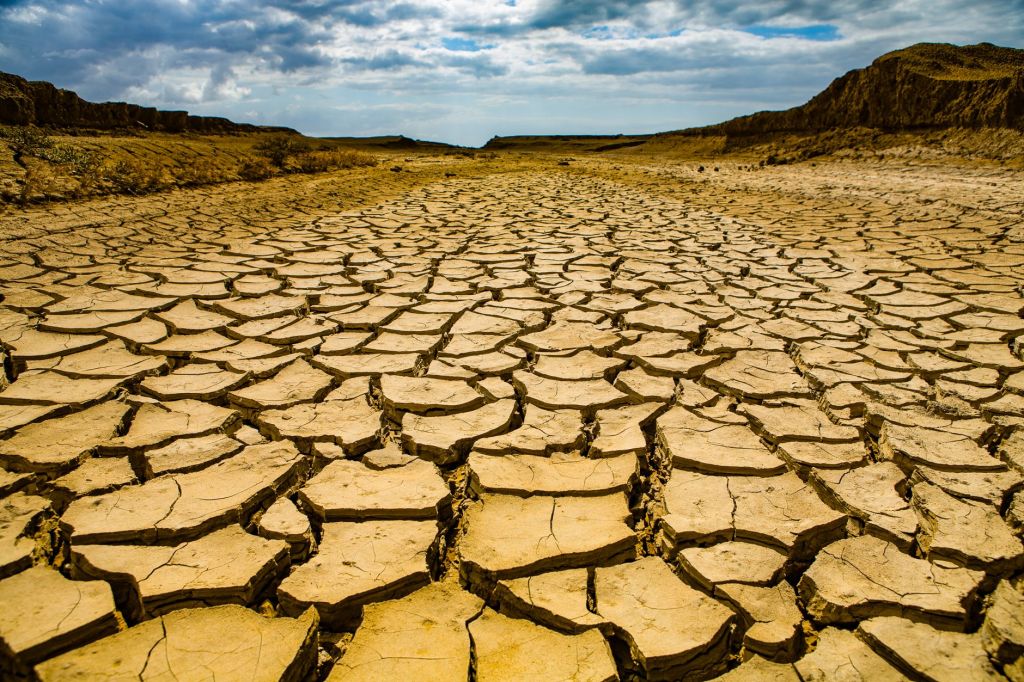
Scientists predict that the coming months could witness a surge in deadly heatwaves, devastating floods, prolonged droughts and explosive wildfire seasons across many regions.
The impacts will not be evenly distributed. As with previous El Niño events, some regions may benefit from increased rainfall, while others face severe hardship.
In South America, particularly along the Pacific coast, heavy rains and flooding are expected to intensify. Countries such as Peru and Ecuador, historically vulnerable during El Niño years, could once again face destructive floods, landslides and infrastructure damage.
India is expected to endure more intense and prolonged heatwaves, threatening public health, agriculture and water security. With recent studies already suggesting that heat-related deaths in the country are significantly underreported, a powerful El Niño could further worsen an unfolding climate emergency.
Australia, meanwhile, faces the prospect of severe drought, extreme heat and an elevated risk of catastrophic bushfires. The country has experienced some of its worst fire seasons during previous El Niño events, and experts warn that dry conditions could rapidly escalate into major disasters.
Across parts of Africa, the climate outlook is equally troubling. Scientists predict a dramatic shift from drought conditions to intense rainfall in some regions, increasing the risk of floods, crop failures and humanitarian crises.
Even regions that may initially benefit from El Niño could face long-term economic consequences. While parts of the United States could receive much-needed rainfall and agricultural gains, rising temperatures are expected to weigh heavily on economic productivity.
Researchers have repeatedly found that unusually high temperatures slow economic growth by reducing labour productivity, increasing energy demand and placing additional strain on public infrastructure and health systems.
Climate economist Marshall Burke of Stanford University notes that economies tend to perform worse during hotter-than-normal years. The concern is particularly acute as scientists increasingly believe that the current El Niño could help make the next few years the hottest in recorded human history.
Several climate researchers now forecast that 2027 could emerge as the warmest year ever observed globally, driven partly by the delayed effects of this developing El Niño.
What has alarmed scientists most is the speed and intensity with which the event has formed.
Warm water rising from the depths of the Pacific Ocean has appeared earlier and more forcefully than expected. Climate models from research centres around the world are showing remarkable agreement—an unusual occurrence in seasonal forecasting—suggesting that an exceptionally strong El Niño is increasingly likely.
The event has already earned dramatic nicknames among scientists and weather watchers, including “Super El Niño” and even “Godzilla El Niño,” reflecting concerns about its potential magnitude.
Yet experts stress that panic is not the answer.
Instead, governments are being urged to strengthen disaster preparedness, improve early-warning systems and invest in climate adaptation measures before the worst impacts arrive.
The return of El Niño is more than a weather story. It is a stark reminder of how natural climate cycles are becoming increasingly dangerous in a world warmed by coal, oil and gas.
As oceans continue to heat and greenhouse gas emissions climb, the line between natural climate variability and human-driven climate disruption is becoming increasingly blurred.
For billions of people around the world, the coming months may offer a glimpse of what a hotter, more volatile future looks like. The question is no longer whether El Niño will reshape global weather patterns—it already has. The question now is how much damage the world is prepared to endure.



 PARYAWARAN
Leave a comment