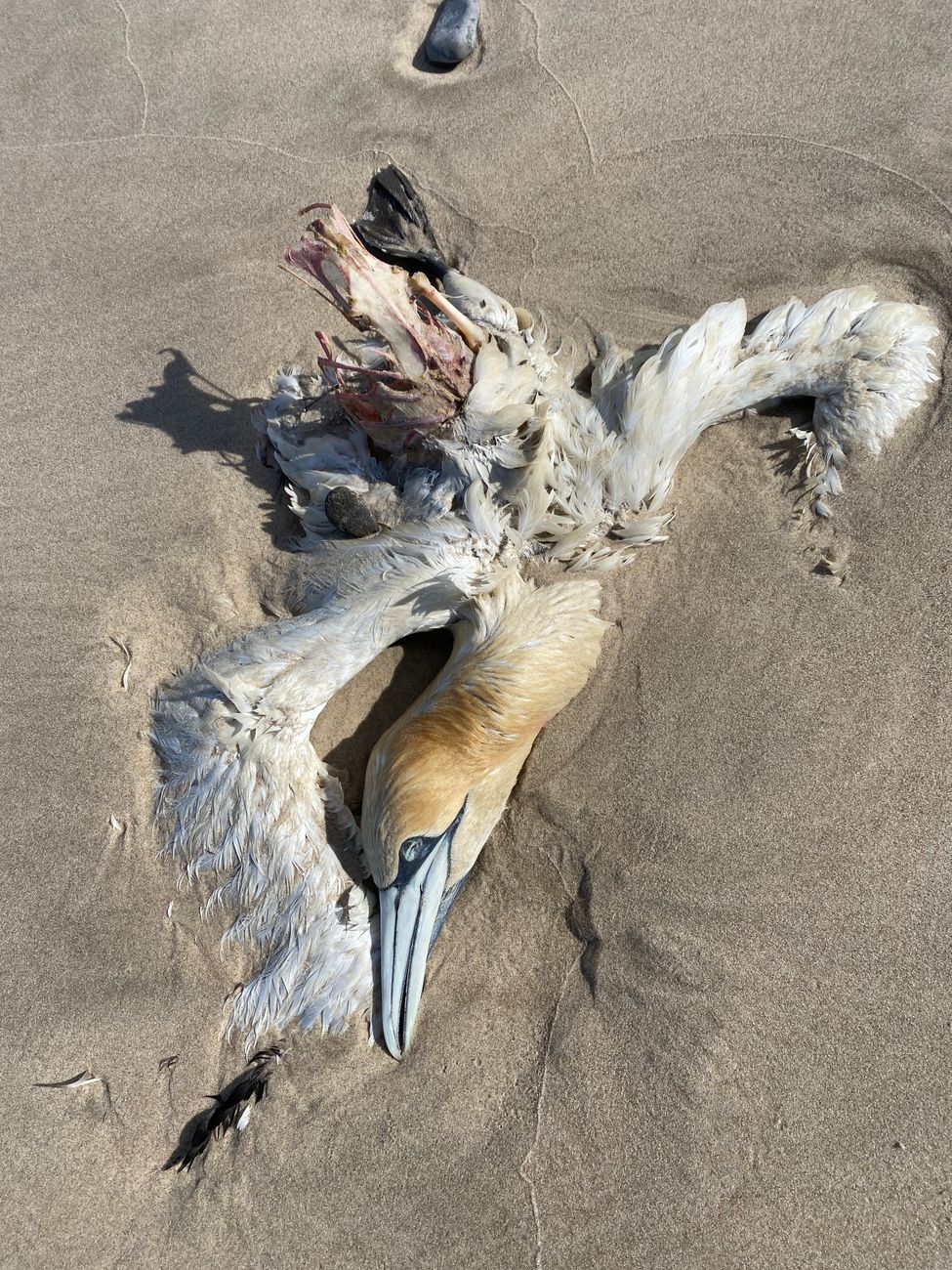
A prolonged marine heat wave off the California coast has triggered an alarming die-off of seabirds, raising fears that the recently developed El Niño could further intensify ecological disruptions across the eastern Pacific. Scientists monitoring beaches and coastal waters report widespread starvation among several seabird species, linking the mortality event to unusually warm ocean temperatures that have disrupted marine food webs and reduced the availability of key prey.
Monthly shoreline surveys conducted by researchers and volunteers have documented increasing numbers of dead seabirds washing ashore across Southern California. The long-running monitoring programmes, designed to establish baseline data on marine wildlife mortality, are now revealing the scale of a growing environmental crisis. Carcasses of pelicans, cormorants, grebes, loons and other seabirds have been found scattered along beaches, often mixed with seaweed or trapped among rocks.
Researchers say many of the birds died from starvation after record-high ocean temperatures displaced cold, nutrient-rich surface waters that normally support krill, anchovies and sardines. These prey species form the foundation of the coastal food chain, and their decline has left many seabirds unable to find enough food to survive.
The marine heat wave has persisted for more than a year across parts of the U.S. West Coast, making it only the third such prolonged warming event recorded in the region. Ocean monitoring stations along California have registered exceptionally high temperatures, with several locations breaking historical records for extended periods. Measurements collected from coastal piers, offshore monitoring programmes and autonomous underwater gliders have all confirmed widespread warming from the shoreline to deeper waters.
Scientists warn that the newly formed El Niño is expected to amplify these conditions. The natural climate phenomenon, characterised by the warming of central and eastern Pacific Ocean waters, influences weather patterns worldwide and typically raises global temperatures. Forecasts suggest the current El Niño could strengthen further and persist into 2027, increasing the likelihood of prolonged ocean warming along the Pacific coast.
The combined effects of the marine heat wave and El Niño are expected to further disrupt marine ecosystems by forcing cold-water species to migrate northward or into deeper waters. Such shifts reduce food availability for seabirds and may also affect larger marine animals, including whales, seals and other predators that depend on similar prey.
Wildlife rehabilitation centres across California have already admitted hundreds of severely emaciated seabirds during recent months. Conservation workers report that many rescued birds are malnourished and too weak to fly or forage effectively. Young birds appear to be particularly vulnerable, with large numbers arriving in poor physical condition.
Unusual changes in bird behaviour have also been observed. Brown pelicans, which normally feed along the coast, have increasingly been sighted at inland lakes and reservoirs while searching for food. Others have gathered around fishing boats and public piers, exposing themselves to injuries from fishing hooks and discarded lines. Such behaviour is considered a sign of severe food shortages in their natural marine habitat.
Investigations into bird carcasses have ruled out major outbreaks of avian influenza in most cases. Wildlife health assessments indicate that many birds were emaciated and suffered from infections commonly associated with prolonged malnutrition rather than contagious disease. These findings strengthen the view that food scarcity linked to ocean warming is a primary driver of the mortality event.
Scientists caution, however, that the current die-off is likely the result of multiple interacting factors. Following a productive 2025 breeding season, some seabird species experienced unusually high mortality among young birds after leaving nesting colonies. Juvenile birds naturally face lower survival rates as they learn to forage independently, although researchers believe warm ocean conditions may have further reduced their chances by limiting food availability during this critical stage.
Environmental agencies continue to analyse data collected from shoreline monitoring programmes before releasing a comprehensive assessment of the ongoing mortality event. Researchers emphasise that only a small proportion of birds dying at sea are ever recovered on beaches, meaning the true scale of losses is likely to be substantially greater than observed.
The current situation has drawn comparisons with the massive marine heat wave known as “the Blob,” which developed in 2013 and extended from Alaska to Baja California. That event overlapped with one of the strongest El Niño episodes on record in 2015, producing severe ecological consequences throughout the northeast Pacific.
During the Blob, millions of seabirds died as warming waters disrupted food supplies across the region. Common murres were particularly affected, with scientists later estimating that more than four million birds—over half of Alaska’s population—perished during the event. The findings, confirmed through years of research and published in 2024, marked the largest documented seabird die-off ever recorded in the world’s oceans.
Common murres are especially vulnerable to food shortages because of their exceptionally high metabolic demands. These diving seabirds can travel long distances and descend nearly 180 metres underwater in search of small schooling fish. However, they must consume between 10 and 30 per cent of their body weight each day to survive. Without adequate prey, they can exhaust their fat reserves and reach critical starvation levels within only a few days.
More than a decade after the Blob, common murre populations are still struggling to recover, highlighting the long-term ecological consequences of prolonged marine heat waves. Scientists fear that repeated warming events driven by climate change may increasingly prevent vulnerable seabird populations from fully rebuilding between successive crises.
The growing frequency of marine heat waves is consistent with broader trends linked to global climate change. Warmer oceans alter marine ecosystems by changing nutrient circulation, shifting fish distributions and weakening the productivity of coastal waters that support diverse wildlife. As these events become more common, seabirds are increasingly viewed as sensitive indicators of ocean health because they respond rapidly to changes in prey availability.
Researchers say continued monitoring will be essential to understand the full extent of the current die-off and to assess how California’s seabird populations respond as El Niño develops further. Conservationists also stress that protecting marine ecosystems from additional pressures, including pollution and overfishing, will become increasingly important as climate-driven ocean warming intensifies in the years ahead.




 PARYAWARAN
Leave a comment