Solar power supplied a record share of Great Britain’s electricity in July, reflecting the rapid expansion of both large-scale solar farms and rooftop panels as households and businesses increasingly turn to renewable energy to reduce electricity costs.
Solar farms and rooftop systems generated 14.4% of Great Britain’s electricity in July, the highest monthly share ever recorded. The figure surpassed the previous record of 12.4%, set in May, and was significantly higher than the 9.6% recorded during the same month a year earlier.
The record came during a period of unusually sunny weather, with some parts of Britain experiencing almost twice the average sunshine hours for the time of year. Extended periods of clear skies allowed solar installations across the country to operate at high capacity, helping solar generation reach an unprecedented level.
The latest figures from the National Energy System Operator also highlight the rapid growth of the country’s solar infrastructure. Great Britain recorded 142,536 new solar installations during the first half of 2026, the highest number of installations recorded during any six-month period since 2011.
The pace of installation puts 2026 on course to surpass the previous annual record for new solar capacity.
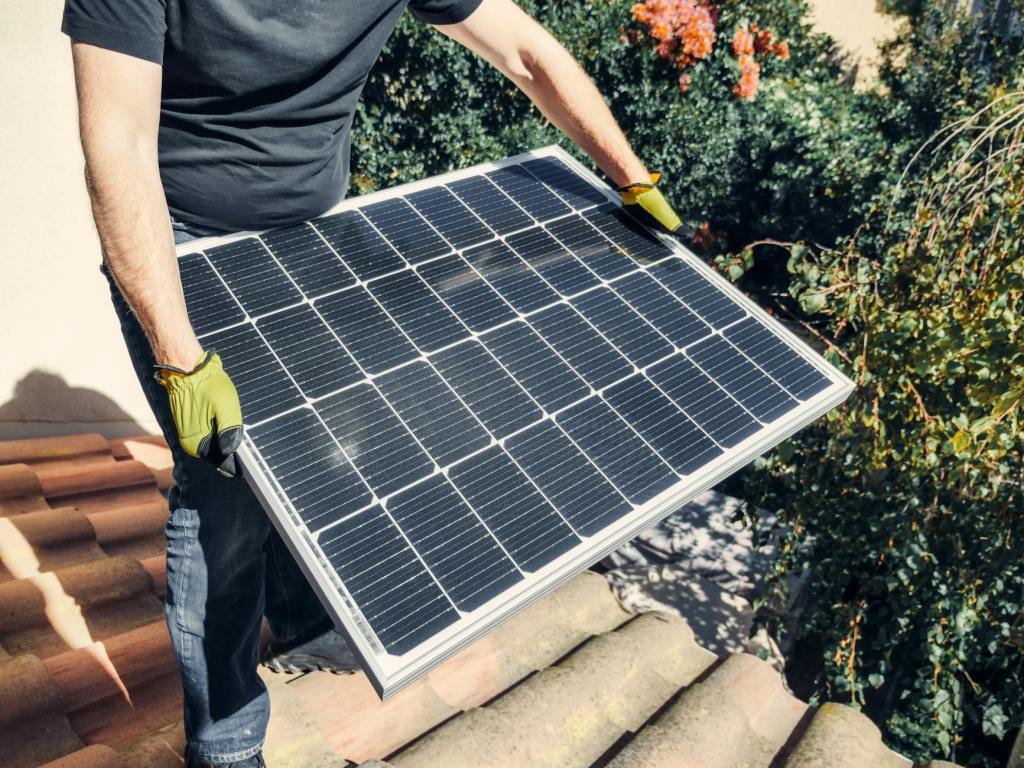
A significant proportion of these new systems have been installed on household rooftops. Although rooftop solar currently accounts for slightly less than one-third of Great Britain’s total installed solar capacity, its expansion has accelerated as households seek greater control over their energy bills.
Rooftop solar allows households to generate electricity for their own use, reducing dependence on electricity purchased from the grid. For many consumers, the appeal has increased as volatile fossil-fuel prices have contributed to higher energy costs.
The growth also reflects a broader shift in the country’s electricity system. Solar power, once a relatively minor contributor to the energy mix, has become an increasingly important source of domestic electricity generation.
The latest record is particularly significant because it demonstrates how rapidly solar generation can expand when favourable weather combines with growing installed capacity. While sunshine levels directly affect monthly generation, the increasing number of panels across homes, businesses and solar farms is providing a stronger foundation for continued growth.
The additional solar generation also helped Great Britain cope with higher electricity demand during periods of hot weather. Air-conditioning units and fans were increasingly used during heatwaves, creating additional demand for electricity at the same time that strong sunshine enabled solar panels to generate more power.
This created a useful alignment between electricity production and consumption. Solar generation tends to peak during daylight hours, when cooling demand can also be high.
Data from the clean-energy thinktank Ember indicated that a typical British home equipped with rooftop solar generated enough electricity to power the equivalent of more than five hours of air-conditioning each day during a June heatwave.
The trend is part of a wider global expansion of solar power. Falling technology costs, rising concerns over energy security and efforts to reduce dependence on fossil fuels have encouraged governments, businesses and households around the world to invest in solar energy.
Britain’s expansion includes both small household systems and increasingly large utility-scale projects.
One of the country’s largest operating solar developments is the 373-megawatt Cleve Hill solar project in Kent. The project is vastly larger than Britain’s first solar farm, the 1.4-megawatt Wheal Jane solar farm in Cornwall.
The scale of planned developments is expected to increase further. The proposed 800-megawatt Springwell solar farm in Lincolnshire is expected to begin generating electricity in 2029 and would become the country’s largest solar farm if completed as planned.
The rapid expansion of solar generation is also being viewed as part of Britain’s broader effort to strengthen energy security.
Increasing domestic renewable generation can reduce exposure to fluctuations in international oil and gas prices. Unlike fossil-fuel generation, solar power does not require a continuous supply of imported fuel, meaning the cost of generating electricity from an existing solar installation is less vulnerable to global fuel-price shocks.
The expansion of rooftop solar also gives households a more active role in the energy system. Instead of being solely consumers of electricity, households with solar panels can become small-scale producers, generating power locally and potentially exporting excess electricity to the grid.
However, the record also highlights the importance of maintaining a flexible and resilient electricity system. Solar generation varies with weather and daylight, making energy storage, grid upgrades and other flexible sources of electricity increasingly important as the share of solar continues to rise.
The July record therefore represents more than a single month of strong sunshine. It reflects a structural transformation in Britain’s electricity system, driven by rapidly increasing solar capacity and growing consumer interest in locally generated renewable energy.
As more households install rooftop panels and larger solar farms come online, solar power is expected to play an increasingly important role in meeting Britain’s electricity demand.
The latest figures suggest that the country’s solar transition is entering a new phase—one in which renewable energy is no longer a marginal source of electricity but an increasingly significant part of everyday power generation.




 PARYAWARAN
Leave a comment