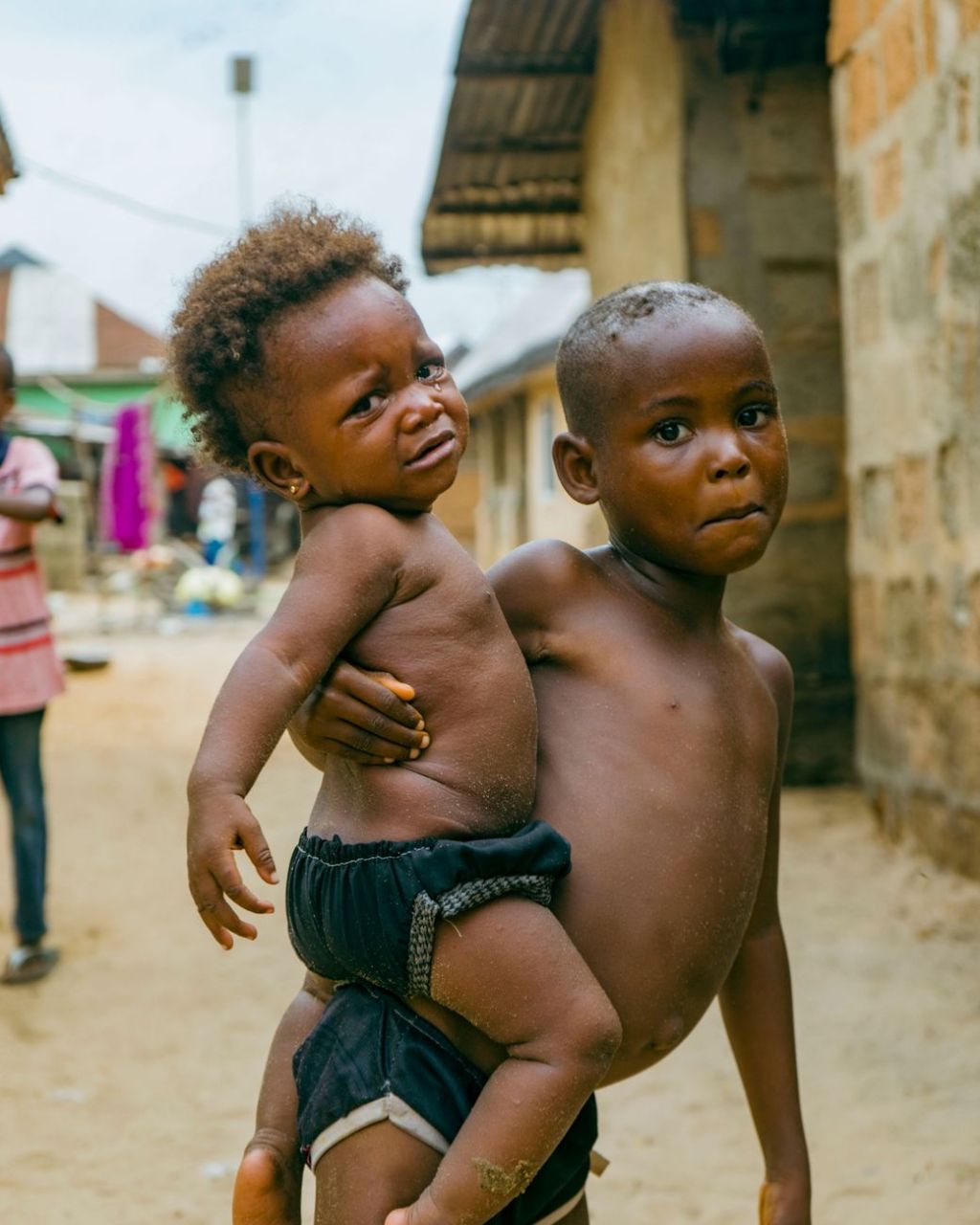
Countries facing steep reductions in British aid are also among those where children face multiple threats from drought, extreme heat, floods and cyclones
Children facing some of the world’s most severe climate threats risk being overlooked as the United Kingdom reshapes its international development priorities, according to a new Unicef analysis linking planned aid reductions with the scale of climate risks confronting children.
The analysis compares planned cuts to UK aid programmes with data from Unicef’s Global Child Hazard Database, which tracks children’s exposure to climate-related threats including drought, extreme heat, cyclones and floods.
The findings reveal a striking overlap between countries facing substantial reductions in British aid and those where large proportions of children are exposed to multiple climate hazards.
Mozambique, Sierra Leone, Bangladesh, Nigeria and Pakistan are among the countries expected to experience UK aid reductions of 49 per cent or more over the next three years. In all five countries, more than 59 per cent of children are exposed to at least three climate hazards.
Across 28 countries facing UK aid cuts of 30 per cent or more, 23 have more than half of their children exposed to drought. In 12 of those countries, more than half of children are exposed to extreme heat.
The figures highlight the growing difficulty of separating climate vulnerability from wider development challenges. For millions of children, climate shocks are already affecting access to food, clean water, healthcare and education, while placing additional pressure on families and public services.
Unicef UK is preparing to launch a campaign in September calling for children to receive greater priority in future British aid spending. The proposed campaign, No Choice But Childhood, is seeking to establish child-focused programmes as a more clearly defined component of the UK’s international development strategy, including a call for at least 25 per cent of UK aid to be directed towards programmes focused on children.
The campaign comes as the UK government places particular emphasis on fragile and conflict-affected states, alongside priorities such as women and girls. Unicef has warned that this framework could leave vulnerable children in countries outside those categories with insufficient support despite facing severe and overlapping climate risks.
Climate shocks deepen existing crises
Climate change can amplify existing problems rather than creating isolated emergencies.
Drought can reduce food production, increase malnutrition and put additional pressure on already stretched health systems. Extreme heat can threaten children’s health and make schools and other public facilities more difficult to operate. Floods and cyclones can destroy homes and infrastructure, contaminate water supplies and interrupt access to healthcare and education.
When several hazards occur in succession, families have less opportunity to recover between disasters. Children living in poverty are particularly vulnerable because households often have fewer financial resources and fewer options for adapting to climate shocks.
Climate pressures can also intensify competition over scarce resources such as water, food, land and wood, potentially contributing to conflict and displacement.
Concerns are increasing as aid agencies assess the potential impacts of a strong El Niño event. Tanzania, Kenya, Ethiopia and Somalia are expected to face particularly heavy rainfall, while Malawi, Mozambique, Zimbabwe and Madagascar could experience severe drought.
Nigeria emerges as a major concern
Nigeria illustrates the scale of the challenge. UK aid to the country is expected to fall by around 50 per cent, while millions of children face exposure to multiple climate hazards.
Unicef data indicates that nearly 89 million children in Nigeria are exposed to three or more climate hazards. Around 100.8 million are exposed to extreme heat, 95.4 million to heatwaves and 111.6 million to drought.
The combined risks can affect children’s nutrition, health, education, water security and safety. Climate-related economic pressures can also force families to adopt harmful coping mechanisms.
During severe drought and other climate shocks, girls can face increased risks of early marriage, while boys may be forced to leave school to work, migrate or contribute to household incomes.
Nigeria is nevertheless home to a major UK-supported climate resilience initiative. Unicef is implementing the Climate Resilience Infrastructures for Basic Services programme, known as CRIBS, which is scheduled to continue until 2028.
The programme is focused on strengthening essential public infrastructure, including schools and health centres. Measures include rehabilitating facilities, reducing indoor temperatures and introducing renewable energy systems such as solar power.
Such investments are intended to keep critical services functioning during extreme weather while improving the resilience of communities already under pressure from climate change.
A wider crisis for children
Unicef’s campaign is being launched against a broader deterioration in conditions affecting children worldwide.
Around 60 per cent of children globally are estimated to live in extreme poverty, while approximately 45 million children under five suffer from severe acute malnutrition. Climate change, conflict and reductions in humanitarian assistance are among the factors contributing to the growing pressures.
Global child mortality has also raised concern. Data cited by the Gates Foundation indicates that 2025 saw the first increase in deaths among children under five in decades, with the global figure rising from about 4.6 million to 4.8 million.
Unicef argues that relatively basic investments in vaccination, education, nutrition, healthcare and resilient infrastructure can have significant long-term effects on children and communities.
The UK government maintains that children remain an important part of its development programmes, pointing to initiatives addressing education, child malnutrition, healthcare, women’s and girls’ rights and climate resilience. More than 70 per cent of UK geographic development support is also allocated to fragile and conflict-affected states.
The emerging debate is therefore not simply about the volume of British aid, but where and how it is directed.
As climate hazards increasingly overlap with poverty, conflict, food insecurity and weak infrastructure, the allocation of international assistance could determine whether millions of vulnerable children receive the support needed to withstand future shocks — or fall further through the cracks of the global climate crisis.

 PARYAWARAN
Leave a comment