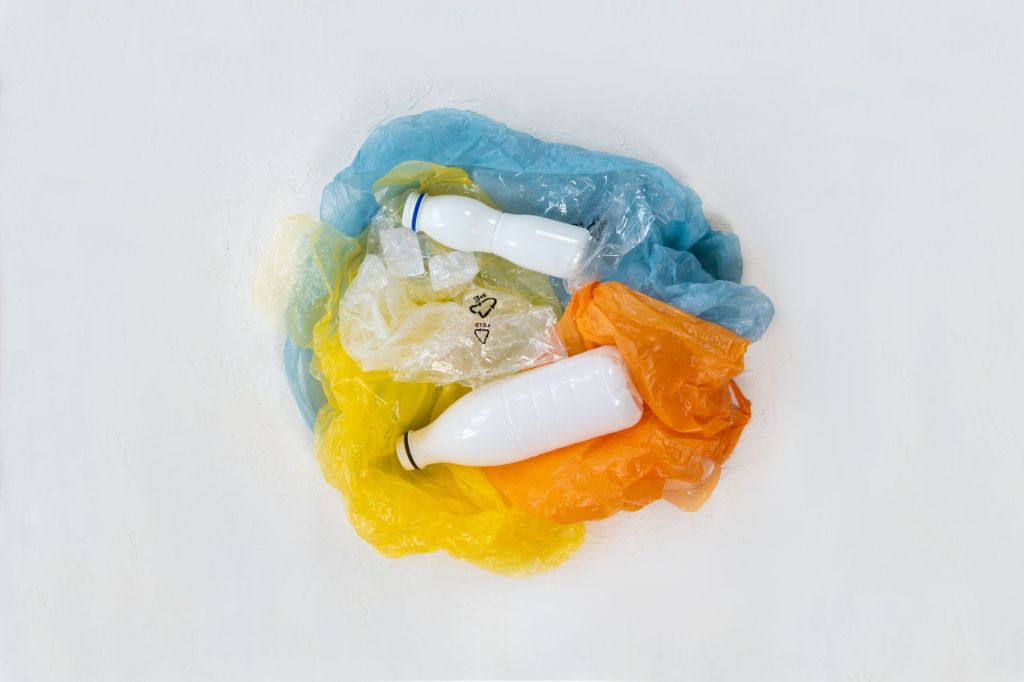
In a quiet neighborhood of the Philippines, an old tradition is making a powerful comeback. Women are leading a community-driven movement that replaces single-use plastic sachets with refillable containers, proving that grassroots action can offer practical solutions to one of the country’s most pressing environmental challenges.
The initiative is centered around a small refill shop established by a local district council, where residents bring empty bottles, jars, tins and reusable containers to purchase everyday essentials such as soy sauce, cooking oil, vinegar, sugar, flour and household cleaning products. Instead of disposable plastic packaging, products are dispensed directly into customers’ own containers, reducing waste while keeping essential goods affordable.
The effort draws inspiration from the Philippines’ long-standing tingi culture—a system of buying goods in small, affordable quantities that has long been a way of life for low-income families. Before plastic packaging became widespread, households commonly carried glass bottles, metal tins and reusable containers to neighborhood stores for refills. However, the arrival of inexpensive sachets transformed shopping habits, replacing reusable systems with single-use packaging that now dominates the retail market.
Today, the Philippines is among the world’s largest consumers of sachet packaging, using an estimated 164 million sachets every day. These multi-layered plastic packets are difficult to recycle and often end up clogging drainage systems, contaminating rivers and eventually reaching the ocean. The country generates approximately 2.7 million tonnes of plastic waste annually, placing enormous pressure on already overburdened waste management systems.
For women working on the frontlines of community waste management, the consequences are impossible to ignore. Every year, repeated tropical storms and typhoons wash thousands of discarded sachets into canals, estuaries and flood-prone neighborhoods. Waste workers spend weeks clearing blocked waterways, only to see the same plastic waste return with the next heavy rainfall.
Rather than waiting for larger policy changes, a group of women transformed an unused public space into a refill store designed specifically for local families. The shop operates much like the traditional neighborhood convenience stores familiar across the country but eliminates plastic packaging entirely.
Large glass jars hold dry ingredients, while liquid products flow from refill dispensers. Customers purchase exactly the amount they need, making the system both economical and environmentally responsible. By allowing households to buy in very small quantities, the store preserves the affordability that made sachets popular while eliminating the packaging waste associated with them.
The refill centre is managed primarily by women who also serve as community waste monitors. Their daily responsibilities include promoting household waste segregation, educating residents about proper waste disposal and encouraging sustainable consumption. They also manufacture environmentally friendly cleaning products using ingredients sourced locally, creating additional livelihood opportunities while supporting the refill model.
Initially, many residents were uncertain about abandoning the convenience of plastic sachets. Years of dependence on pre-packaged goods had made refill systems seem unfamiliar. However, as families discovered that refill products often cost less than supermarket alternatives, community acceptance steadily grew.
The initiative has been particularly well received by older residents, who remember the era before plastic packaging became commonplace. For them, the refill system revives familiar shopping habits rooted in reuse rather than disposal. Younger generations, meanwhile, have embraced the concept as an innovative and environmentally conscious way to shop.
Importantly, the project challenges the widespread perception that zero-waste shopping is only accessible to affluent consumers. By offering products in affordable quantities without requiring customers to purchase in bulk, the community has demonstrated that sustainable consumption can also meet the needs of low-income households.
To further improve accessibility, the refill initiative includes a modified vending system that allows residents to purchase liquid household products even after the shop has closed for the day. Such innovations ensure that convenience is not sacrificed while reducing reliance on disposable packaging.
Within its first year of operation, the refill store is estimated to have prevented more than 145,000 plastic sachets from entering landfills. Although modest compared to the country’s overall plastic consumption, the achievement illustrates how localized interventions can produce measurable environmental benefits.
Experts caution, however, that community initiatives alone cannot solve the nation’s plastic crisis. While citizens can reduce waste through reuse and responsible consumption, they argue that manufacturers must also redesign products and reduce dependence on single-use plastic packaging. Addressing plastic pollution requires action throughout the entire life cycle of plastic—from production and packaging to collection, recycling and disposal.
The Philippines has introduced legislation requiring large companies to recover a significant portion of the plastic packaging they place on the market, with financial penalties for non-compliance. However, environmental advocates believe implementation remains uneven, and stronger enforcement is needed to achieve meaningful reductions in plastic waste.
In the meantime, communities continue to develop their own solutions. Some local governments have introduced restrictions on single-use plastics, while others face resistance from industry. Despite these challenges, women-led refill initiatives are demonstrating that practical, community-based alternatives already exist.
As another typhoon season approaches, women managing the refill shop remain committed to expanding their model and encouraging other districts to establish similar initiatives. Their work highlights how traditional knowledge, community leadership and sustainable practices can come together to address modern environmental problems.
By reviving the country’s historic refill culture, these women are doing more than reducing plastic waste—they are restoring a circular way of living that values reuse, affordability and collective responsibility. Their efforts offer an inspiring example of how local communities, led by determined women, can become powerful agents of environmental change.




 PARYAWARAN
Leave a comment