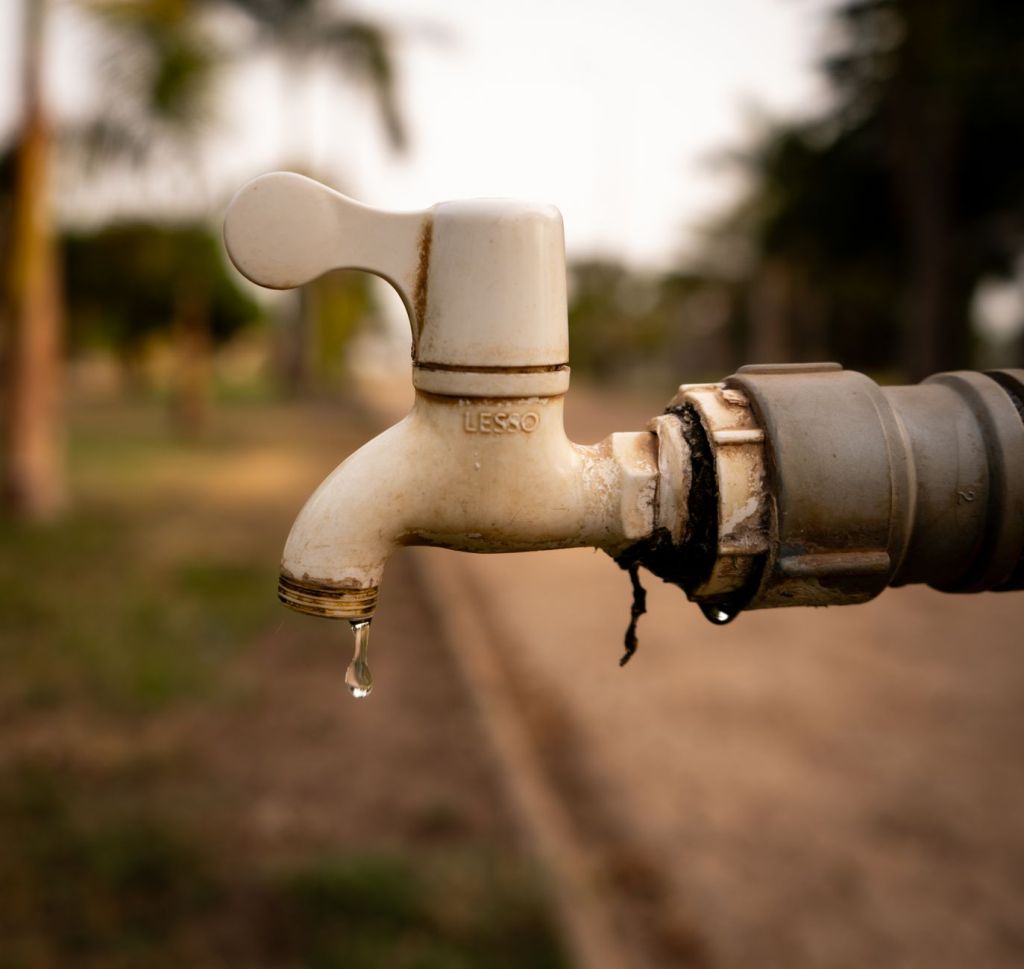
Puerto Rico is facing a deepening water crisis as drought, aging infrastructure and years of inadequate investment converge to leave millions of residents struggling to access a basic necessity.
The crisis intensified last week when water supplies were disrupted across parts of San Juan and other communities. Puerto Rico recorded its driest July on record, while more than 60% of the island—home to more than 3 million people—was experiencing drought conditions, according to the U.S. Drought Monitor.
Several major reservoirs have fallen to critically low levels as extreme heat and prolonged dry conditions continue. In response, authorities have introduced rotating water rationing, with some communities facing schedules of roughly 48 hours with water followed by 48 hours without it. However, residents in some areas have reported going without water for considerably longer.
The government has deployed trucks carrying potable water across the island, prioritising vulnerable groups such as elderly and sick residents. Yet the emergency response has highlighted problems that have been building for decades rather than emerging suddenly with the latest drought.
Community organisations and advocates say authorities had ample warning that Puerto Rico’s water system was vulnerable to increasingly severe climate conditions. Residents had raised concerns about water shortages months before the current crisis, while experts had repeatedly warned that inadequate infrastructure maintenance and poor watershed management could leave the island increasingly exposed to drought.
The problem is compounded by an aging water distribution network. Large sections of Puerto Rico’s pipelines are decades old, resulting in substantial losses through leaks and other infrastructure failures. Estimates cited by community advocates suggest that around 60% of water entering the distribution system is lost before reaching consumers.
That means even when rainfall replenishes reservoirs, only a portion of the available water ultimately reaches homes and businesses.
A major pipeline failure in May illustrated the fragility of the system. More than 100,000 people in the metropolitan area were reportedly left without water for more than a week after a major pipe broke. What was expected to be a routine repair became a much larger project, underscoring the consequences of years of deferred maintenance.
The lack of investment is particularly concerning because Puerto Rico has access to substantial federal funding intended to strengthen and rebuild infrastructure. Critics argue that available resources have not been directed quickly or effectively enough towards the measures identified by experts as essential for improving water security and climate resilience.
Puerto Rico has also had climate preparedness recommendations on the table for years. Expert assessments have identified drought and other climate-related risks and outlined steps the island could take to prepare. Yet many of those recommendations have not been fully implemented, despite growing evidence that climate change is intensifying existing vulnerabilities.
The current drought therefore represents more than a weather emergency. It is exposing the consequences of allowing fragile infrastructure to deteriorate while failing to adequately prepare for a changing climate.
The impact is being felt most severely by vulnerable communities. Unpredictable rationing schedules have made it difficult for elderly people, people with disabilities and households without transportation to collect water. In some places, outages have lasted for days beyond announced schedules, leaving residents uncertain about when supplies will return.
Farmers are also being hit hard. Prolonged dry conditions are reducing agricultural production and raising concerns about food insecurity, adding another dimension to the island’s water emergency.
The timing has created additional anxiety. The peak of the Atlantic hurricane season is approaching, and Puerto Rico’s already fragile infrastructure could face further disruption if a major storm strikes. Hurricanes have historically caused extensive damage to the island’s electricity and water systems, and another severe event could magnify the current crisis.
Despite the growing challenges, communities across Puerto Rico are developing their own responses. Local leaders and residents have organised water deliveries and are working to establish community resilience hubs that can provide reliable access to water, solar-powered energy, generators and community kitchens during emergencies.
Such initiatives demonstrate the capacity of communities to respond when formal systems struggle. But they cannot substitute for long-term public investment and effective governance.
Puerto Rico’s water crisis is ultimately a warning about what happens when climate change collides with neglected infrastructure. Drought may have triggered the immediate emergency, but years of inadequate maintenance, weak planning and delayed action have magnified its consequences.
Addressing the crisis will require more than emergency water deliveries. Puerto Rico needs sustained investment in modernising its water network, reducing leakage, protecting watersheds, improving drought preparedness and ensuring that climate adaptation plans translate into action.
For millions of residents, reliable access to water cannot remain an emergency measure. It must become a basic component of long-term climate resilience and responsible public infrastructure management.

 PARYAWARAN
Leave a comment