
A coalition of international conservation organizations has accused Meta, the parent company of Facebook, Instagram, WhatsApp, and Messenger, of enabling and amplifying the world’s largest known online illegal wildlife marketplace. The allegations are contained in a landmark investigative report titled Clicks That Kill: Meta’s Algorithm of Extinction, which argues that the company’s algorithms, recommendation systems, and monetization programs are facilitating the trafficking of endangered wildlife rather than preventing it.
The report was jointly produced by Freeland, PEGAS (Project to End Great Ape Slavery), International Wildlife Trust, Education for Nature Vietnam, and Liberia Chimpanzee Rescue & Protection. It presents evidence that Meta’s platforms host extensive illegal trade in live wild animals and wildlife products involving species protected under the Convention on International Trade in Endangered Species of Wild Fauna and Flora (CITES).
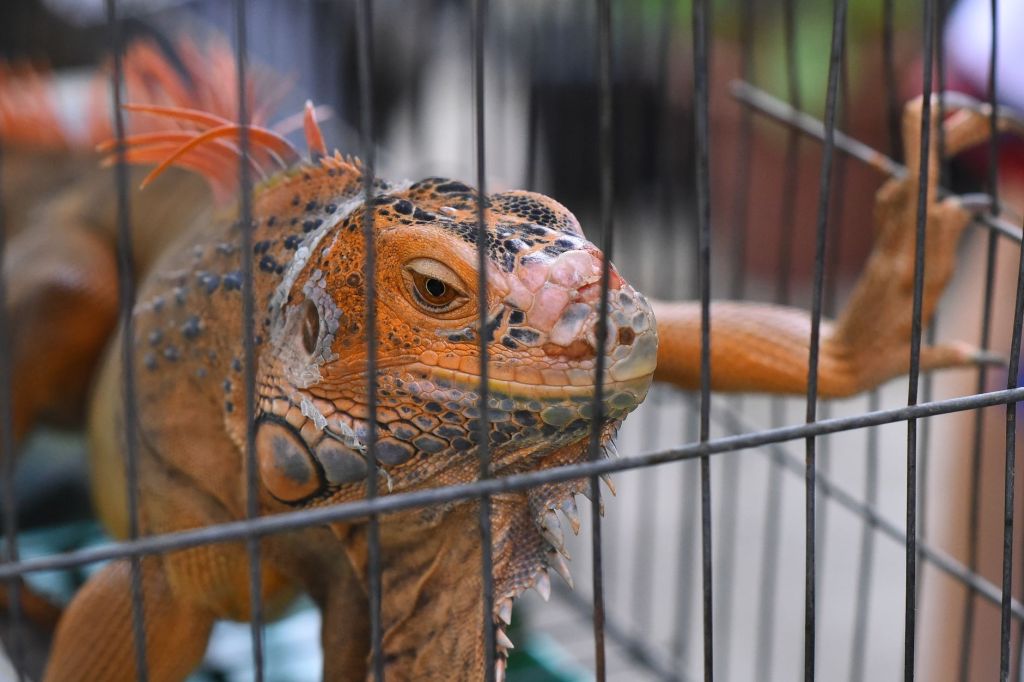
According to the report, researchers documented hundreds of accounts operating across dozens of countries that openly advertised and traded endangered species, including tigers, orangutans, chimpanzees, gorillas, elephants, rhinos, pangolins, and numerous reptiles and birds. The investigation also found widespread advertisements for wildlife products such as ivory, rhino horn, skins, bones, meat, and other animal parts prohibited under international and national laws.
The findings suggest that the scale of wildlife trafficking on Meta’s platforms is far greater than previously understood. Supporting this concern, an earlier study conducted by the ECO-SOLVE project reportedly identified 21,904 advertisement posts on Facebook alone between April 2024 and March 2026, offering more than 266,000 wildlife products for sale. Many of these involved African wildlife species that are already under severe pressure from poaching and habitat loss.
One of the report’s most serious allegations is that Meta’s recommendation algorithms actively help expand trafficking networks. Researchers claim that users browsing wildlife-related content are routinely directed to additional wildlife trafficking accounts through automated recommendations. Features such as “People You May Know,” suggested accounts, and algorithm-driven content recommendations allegedly create pathways that connect buyers and sellers, allowing illegal markets to grow organically within the platform.
The report further alleges that Meta’s advertising system places commercial advertisements alongside trafficking-related content, potentially generating revenue from pages engaged in illegal wildlife trade. Researchers also present circumstantial evidence suggesting that some wildlife traffickers may be enrolled in Meta’s content monetization programs, including In-Stream Ads, Facebook Stars, and Creator Subscriptions. If confirmed, this would mean that individuals promoting or selling endangered wildlife could be receiving financial payments from the platform based on user engagement.
The report also raises concerns about Meta’s content moderation policies. According to the authors, wildlife trafficking posts frequently remain online despite violating both Meta’s Community Standards and Commerce Policies. The report notes that while accounts are occasionally suspended, traffickers often return within a day by creating new profiles, making enforcement largely ineffective.
Researchers argue that Meta has weakened its own capacity to address the problem. They point to the company’s decision in January 2025 to discontinue its independent fact-checking program, followed by its announcement in March 2026 that it would increasingly replace human content moderators with artificial intelligence-based systems. The report suggests that automated moderation alone has proven insufficient to detect and remove sophisticated wildlife trafficking networks operating across multiple countries.
The investigation also questions Meta’s legal protections. For years, the company has relied on Section 230 of the U.S. Communications Decency Act, which generally shields online platforms from liability for content posted by third parties. However, the report argues that algorithmic recommendations, engagement optimization, and potential monetization of trafficking content may go beyond passive content hosting. If courts determine that Meta’s systems actively promote or financially benefit illegal activity, the report suggests that its legal immunity could face increased scrutiny. It also notes that Section 230 offers no protection under many national laws outside the United States.
Beyond biodiversity loss, the report highlights significant public health concerns. The illegal cross-border movement of live wild animals without veterinary screening increases the risk of zoonotic disease transmission. Researchers cite the COVID-19 pandemic as a reminder of the global consequences that can arise from poorly regulated wildlife trade and warn that online trafficking networks may contribute to future disease outbreaks.
The report further criticizes what it describes as a pattern of repeated public commitments by Meta that have failed to produce meaningful results. Over the past decade, the company has joined several international initiatives aimed at combating online wildlife trafficking, including partnerships with the International Fund for Animal Welfare (IFAW), the Coalition to End Wildlife Trafficking Online, and most recently, the United for Wildlife Business Forum. Despite these commitments, researchers argue that illegal wildlife advertisements continue to appear openly across Meta’s platforms.
According to the report’s authors, Meta possesses advanced artificial intelligence capable of rapidly detecting prohibited content such as nudity, copyright violations, and certain forms of hate speech. They question why similar technology has not been deployed effectively to identify photographs of endangered species or advertisements explicitly offering wildlife products for sale.
The report concludes that the company’s commercial incentives may be undermining stronger enforcement. Since Meta’s advertising revenue depends heavily on user engagement, researchers argue that reducing harmful content could potentially affect overall traffic and advertising income. They contend that this business model discourages aggressive enforcement against illegal wildlife traders and other harmful online activities.
Following publication of the report, Agence France-Presse (AFP) sought a response from Meta. The company reportedly declined to address the specific allegations and instead referred to its existing policies prohibiting the sale of endangered species on its platforms. Subsequent requests for comment reportedly received similar responses, with Meta asking investigators to provide links to individual accounts for review rather than addressing the broader concerns raised in the investigation.
The conservation organizations behind Clicks That Kill are calling for stronger platform accountability, more proactive detection systems, independent monitoring, and meaningful enforcement measures to dismantle wildlife trafficking networks operating through social media. They argue that without significant reforms, online platforms will continue to play a central role in driving illegal wildlife trade, threatening biodiversity, ecosystem stability, and global public health.


 PARYAWARAN
Leave a comment