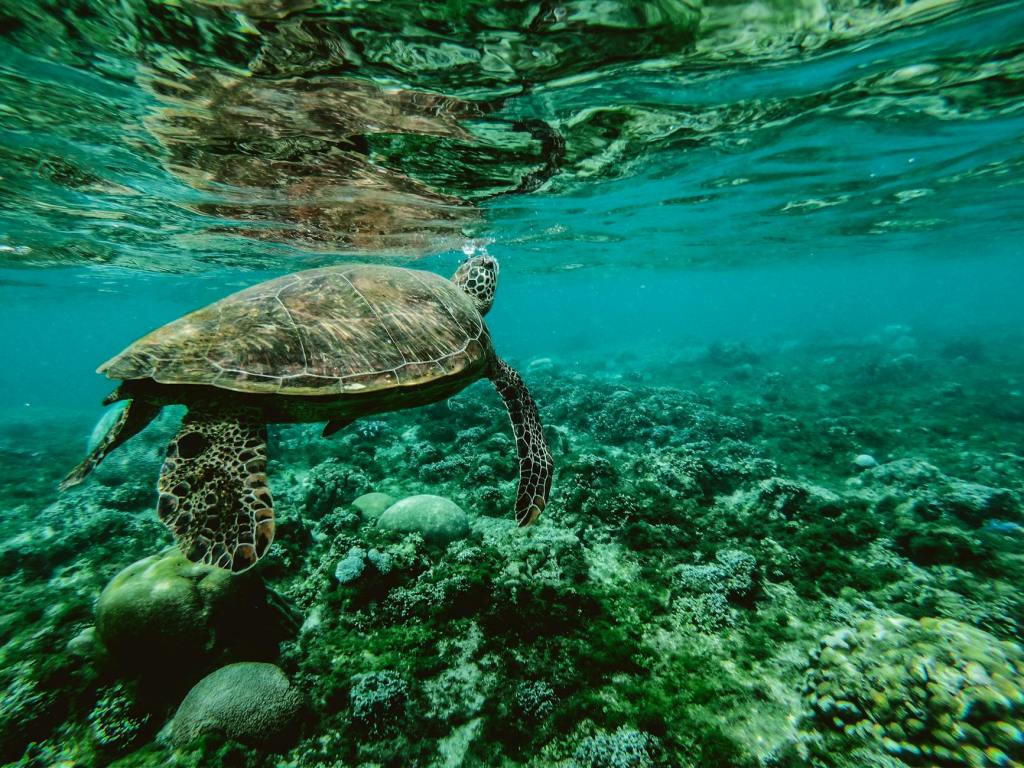
In a promising development for environmental conservation, sea turtles in Rio de Janeiro’s Guanabara Bay are showing signs of recovery after years of battling a debilitating tumor disease linked to pollution. The improvement in the bay’s water quality has brought a significant boost to the health of these iconic marine reptiles, reflecting the broader impact of concerted environmental cleanup efforts.
For years, sea turtles in Guanabara Bay suffered from fibropapillomatosis, a disease characterized by the growth of tumors on the skin and internal organs. This condition, which has been strongly linked to pollution in the bay, created a dire situation for the turtles. The tumors, which can impede the turtles’ ability to swim and feed, were exacerbated by the contaminated waters, leading to a troubling decline in their population.
Recent studies reveal a hopeful turnaround. Thanks to extensive cleanup initiatives aimed at reducing pollution, the water quality in Guanabara Bay has improved markedly. This change is reflected in the health of the sea turtles, which are now exhibiting fewer and less severe cases of fibropapillomatosis. The resurgence in turtle health provides tangible evidence that environmental restoration efforts can yield significant benefits for marine life.
Researchers have identified a combination of environmental factors and a specific virus as the primary contributors to fibropapillomatosis. The virus, known as Chelonid Fibropapillomatosis Virus (CFPV), thrives in polluted environments, making the presence of contaminants a crucial factor in the disease’s prevalence. By addressing the pollution sources, scientists and conservationists have effectively reduced the virus’s impact on the sea turtles.
The success story in Guanabara Bay underscores the importance of continuing and expanding cleanup efforts. Brazil is home to five of the world’s seven sea turtle species, making the country a critical player in global marine conservation. The health of these species is closely tied to the condition of their habitats, and the improvement in Guanabara Bay provides a model for similar efforts in other regions.
The positive changes in the bay’s ecosystem are also beneficial to local communities. Residents who rely on Guanabara Bay for food and tourism are experiencing the ripple effects of environmental recovery. Cleaner waters mean healthier marine life, which in turn supports local fisheries and attracts eco-tourists. For these communities, the revival of sea turtle populations is more than just an environmental success—it is a testament to the effectiveness of human intervention and a source of economic and social uplift.
Local fishermen and tourism operators have observed a marked increase in the presence of sea turtles in the bay. This resurgence not only boosts their livelihoods but also raises awareness about the importance of preserving marine environments. The improved health of the sea turtles serves as a powerful reminder that dedicated efforts to address pollution can yield substantial benefits for both wildlife and human communities.
Despite the progress, conservationists emphasize the need for ongoing vigilance and stronger protective measures. The recovery in Guanabara Bay, while encouraging, is just one step in a larger journey toward restoring and preserving marine ecosystems. Continued advocacy for reduced pollution, enhanced marine protection laws, and public education about environmental responsibility are crucial for sustaining and building upon the gains achieved so far.
The story of Guanabara Bay highlights the broader potential for environmental recovery through targeted action. It demonstrates that while human activities have often led to significant ecological damage, they also hold the power to effect positive change. The success in Guanabara Bay is a hopeful indicator that, with sustained effort and commitment, other polluted environments around the world can also experience similar revitalization.
As Guanabara Bay continues to heal, the international community watches closely, hopeful that this case will inspire further initiatives to tackle pollution and safeguard marine habitats globally. The resilience of the sea turtles and the improved condition of their environment stand as powerful symbols of what can be achieved through concerted conservation efforts.




 PARYAWARAN
Leave a comment