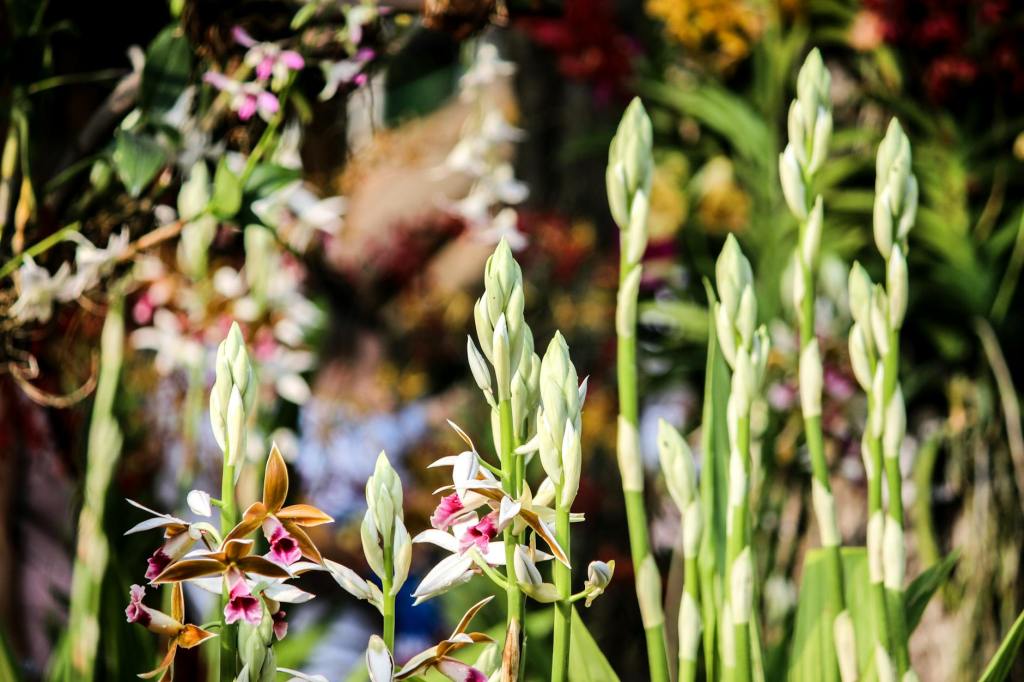
In a remarkable botanical breakthrough, the rare orchid Crepidium parryae has been rediscovered in the Mishmi Hills of Arunachal Pradesh, nearly a century after it was last sighted in 1926. This significant discovery not only highlights the rich biodiversity of the region but also reinforces the Eastern Himalayas’ status as a global biodiversity hotspot.
The orchid, believed to have gone extinct, was found flourishing in the tropical evergreen forests of the Mishmi Hills at an altitude of 900 to 950 meters. The rediscovery followed two years of rigorous research and field studies conducted by a team of dedicated botanists and ecologists.
Arunachal Pradesh, often referred to as the “Land of Rising Sun,” is home to over 670 species of orchids, making it one of the most diverse orchid habitats in the world. The region’s unique climate, varied topography, and rich flora contribute to its status as an ecological treasure trove. The presence of Crepidium parryae in this pristine environment serves as a testament to the region’s importance in global biodiversity conservation.
The rediscovery of this rare orchid also raises crucial awareness about the fragile ecosystems in the Eastern Himalayas. The Mishmi Hills, while rich in biodiversity, face increasing threats from deforestation, habitat degradation, and development activities. The presence of such a rare species underscores the urgent need for stringent conservation measures to protect these vulnerable habitats.
According to researchers involved in the study, the discovery of Crepidium parryae is not just a milestone in botanical history but also a call to action for environmental protection. The orchid’s thriving presence in the region suggests that there may be other undiscovered or thought-to-be-extinct species awaiting discovery in the uncharted forests of Arunachal Pradesh.
The team’s findings have sparked renewed interest in the biodiversity of the Eastern Himalayas, with calls for increased funding and support for conservation projects. The rediscovery also highlights the vital role of local communities in protecting and preserving these natural habitats.
As researchers continue their exploration, the return of Crepidium parryae serves as a powerful reminder of nature’s resilience and the untapped ecological riches that still exist. It is a testament to the importance of sustained scientific inquiry and conservation efforts in safeguarding the planet’s biodiversity for future generations.



 PARYAWARAN
Leave a comment